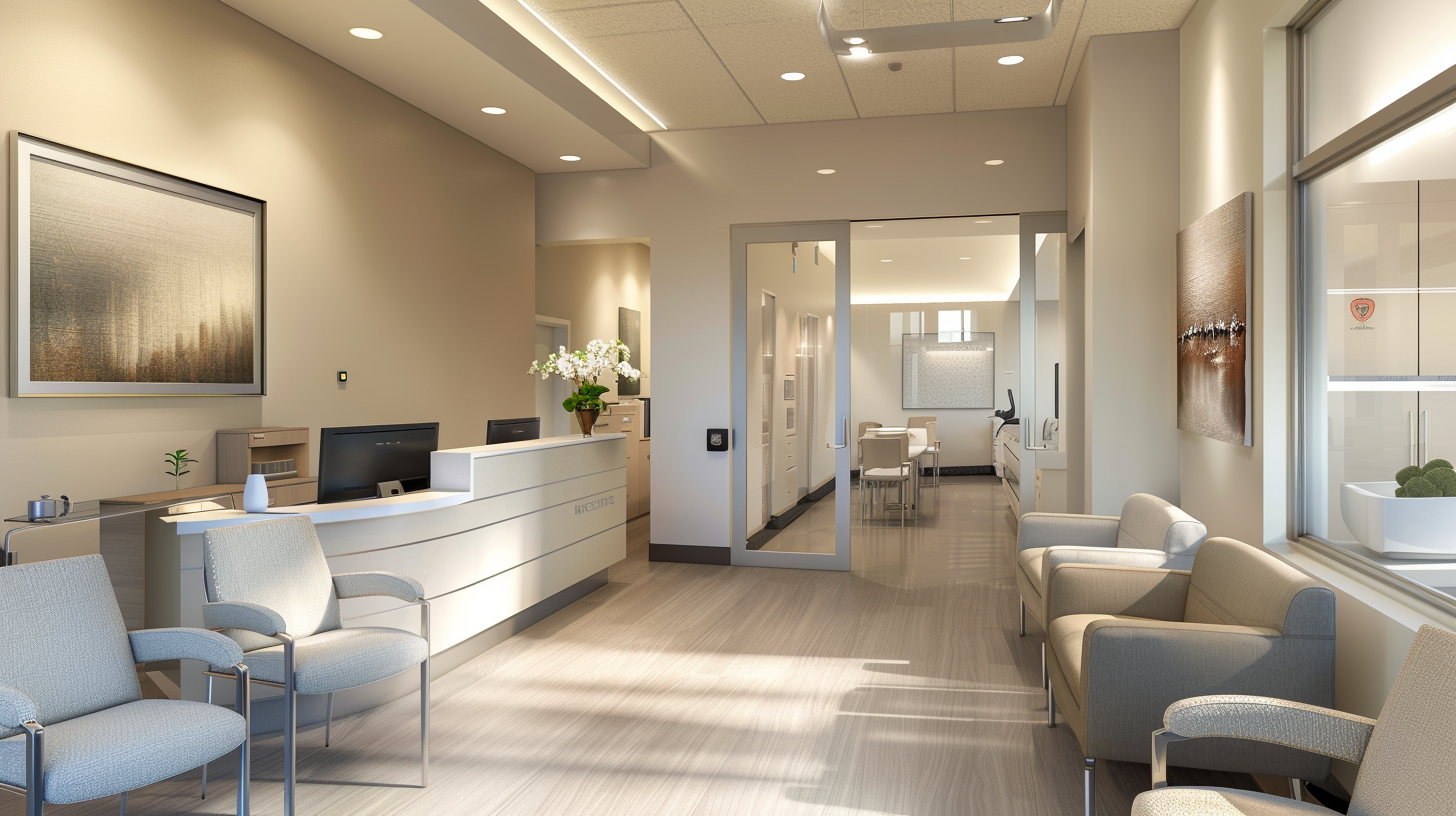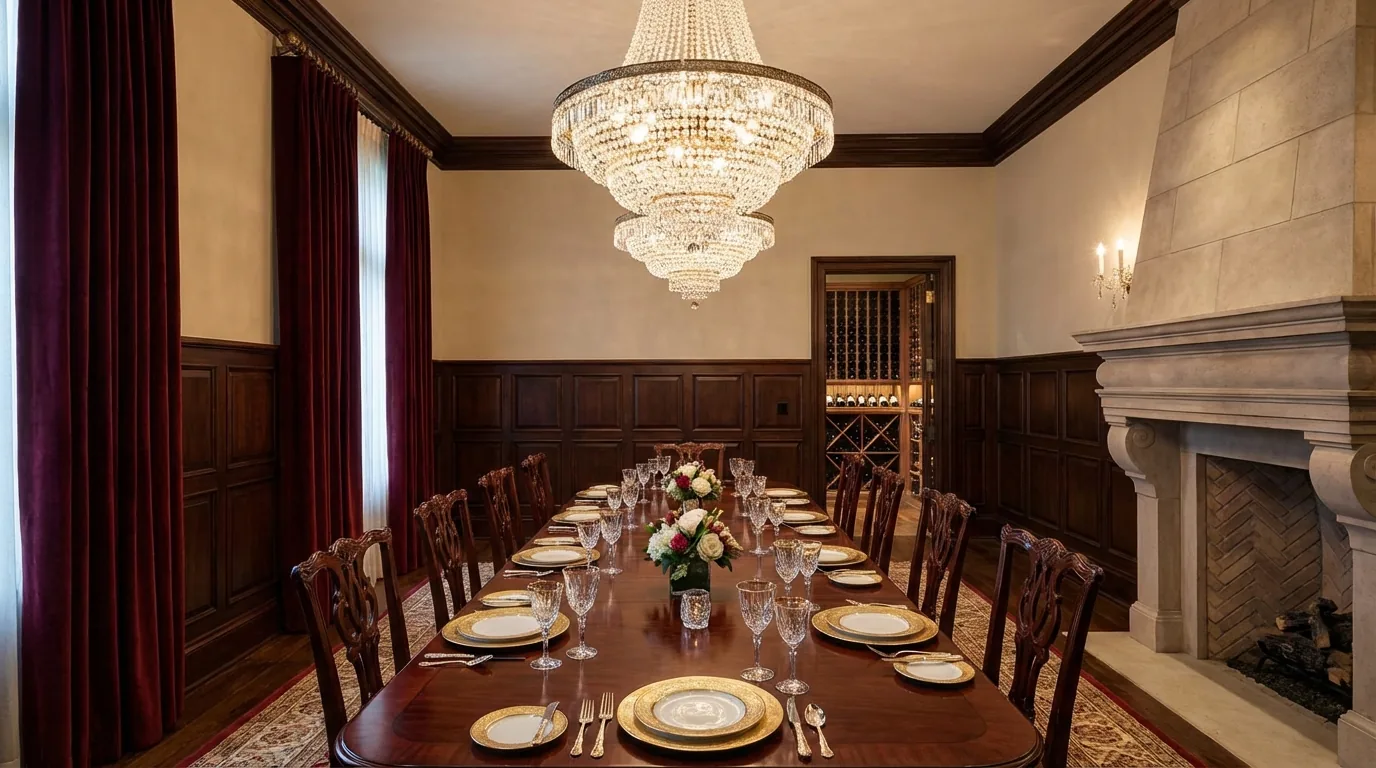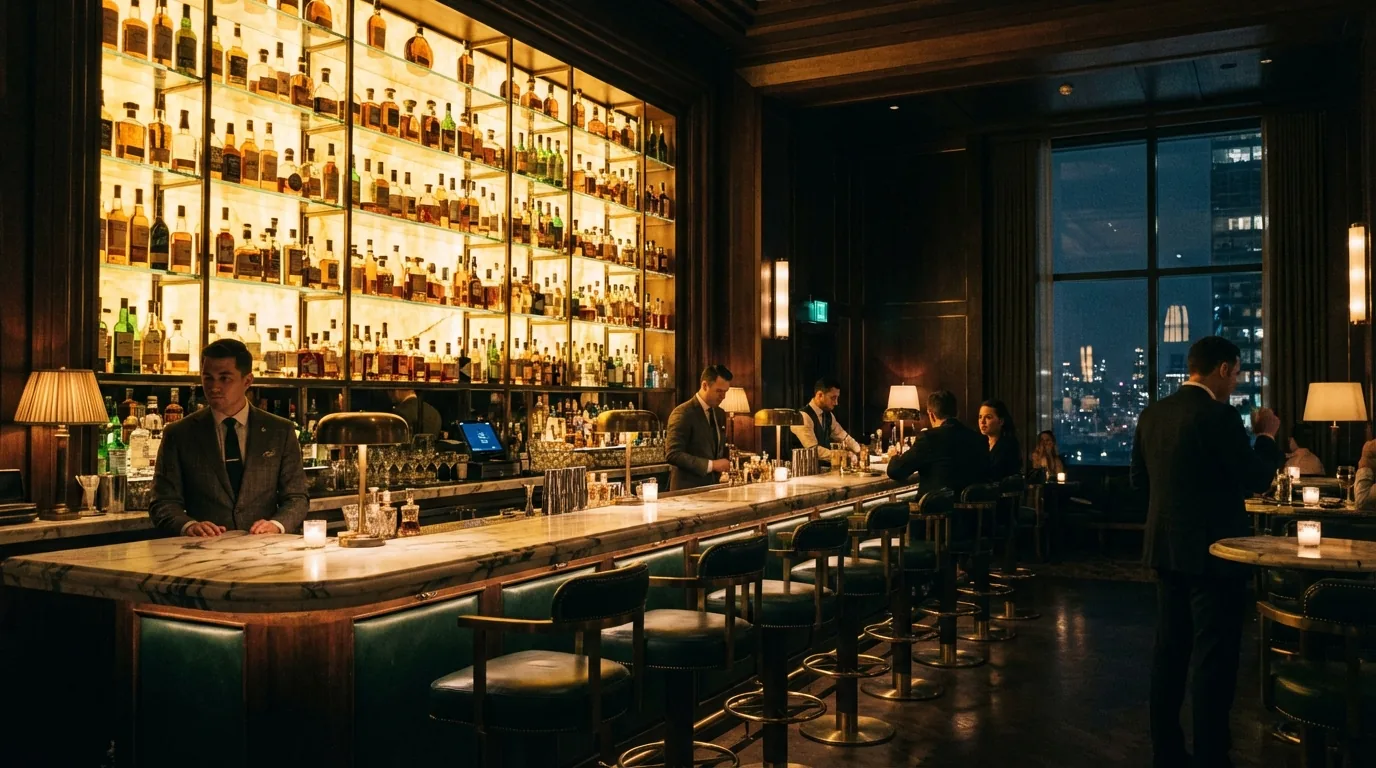
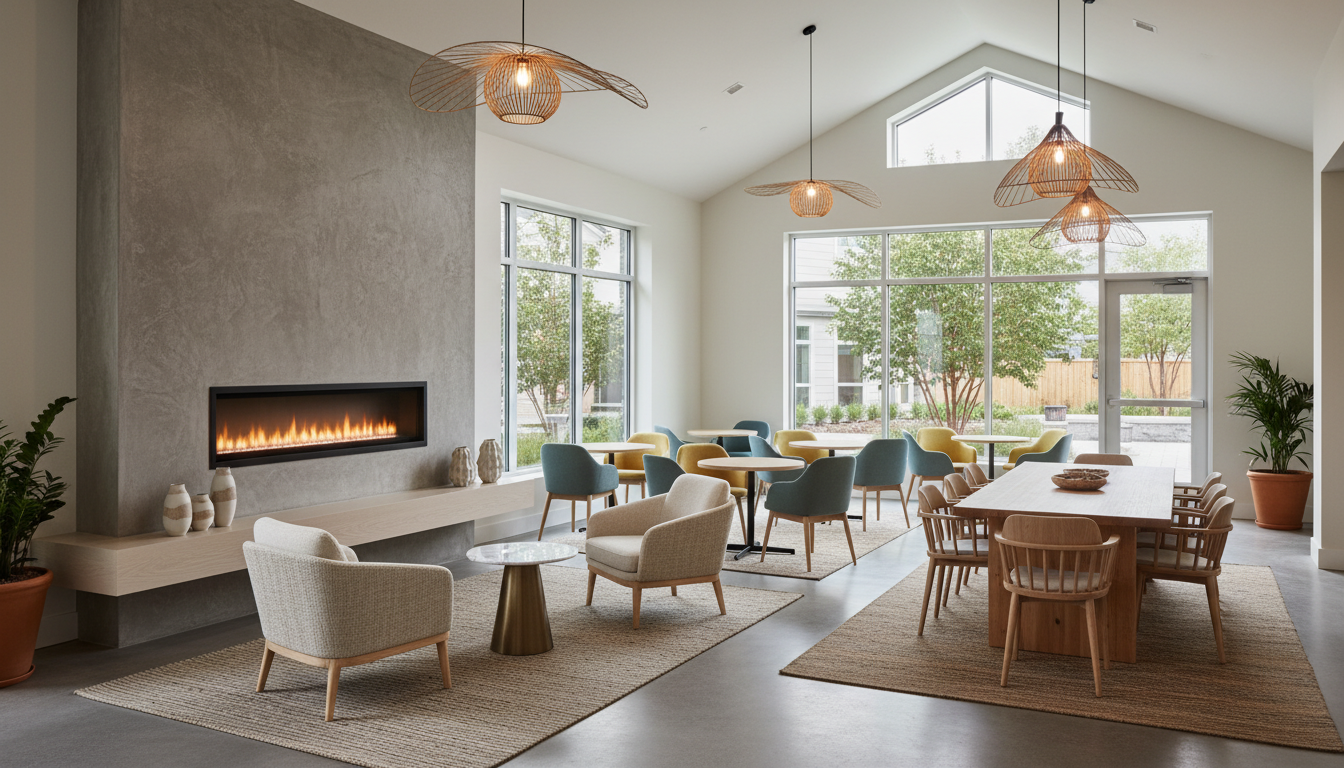
In the landscape of senior living, the term “facility” is rapidly being retired, replaced by a more profound and necessary concept: “community.” For today’s senior living operators and developers, the challenge is no longer just providing care; it is about honoring the life stories of those who reside within their walls. As we look toward 2026, senior living interior design trends are pivoting away from the sterile, institutional models of the past and moving toward environments that celebrate autonomy, comfort, and human connection.
Designing for dignity means recognizing that an environment has the power to either diminish or empower a resident. When a common area feels like a high-end hotel or a cozy living room rather than a clinical waiting area, it signals to the resident that their stage of life is valued. This shift is not merely aesthetic—it is a strategic move that impacts the bottom line. Recent industry data indicates that facilities with upgraded common areas report a 25% faster occupancy rate compared to those that maintain institutional standards. In a competitive market, dignity is a differentiator.
The Shift from Facility to Home
The core of modern senior living design is the “Resimercial” movement. This blend of residential warmth and commercial-grade durability is the cornerstone of creating a true sense of home. For decades, the industry relied on materials that were easy to bleach but cold to the touch. Today, we understand that a resident’s psychological well-being is intrinsically linked to their surroundings.
The “Resimercial” approach focuses on replacing the visual cues of a hospital with those of a luxury residence. This means trading out glare-heavy VCT tile for luxury vinyl planks that mimic the warmth of hardwood but offer the slip resistance and durability required for high-traffic areas. It means moving away from “geriatric furniture” in favor of bespoke pieces that look like they belong in a designer showroom while secretly harboring the ergonomic supports necessary for the aging body.
When we design with a humanist perspective, we prioritize the “feeling” of a space. Does it smell like disinfectant, or does it smell like fresh coffee and lavender? Is the first thing a visitor sees a nursing station, or is it a welcoming hearth? By hiding the “care” behind the “comfort,” we allow residents to see themselves as homeowners rather than patients.
| Design Element | Institutional Standard | Dignified ‘Resimercial’ Standard |
|---|---|---|
| Flooring | VCT Tile (Glare-heavy) | Luxury Vinyl Plank (Matte/Wood Look) |
| Lighting | Fluorescent Grid | Layered LED with Task Lighting |
| Furniture | Vinyl Medical Chairs | Crypton Fabric Lounge Seating |
Common Areas as Social Hubs
Isolation is one of the greatest threats to senior health. Therefore, the common areas of 2026 are being reimagined as “destination spaces.” Instead of a single, multi-purpose room that feels cavernous and impersonal, designers are creating a series of intimate, purpose-driven hubs that encourage movement and social interaction.
Consider the rise of the “Bistro” or “Wine Bar” in independent and assisted living. These areas serve as natural magnets for residents and their families. They provide a “destination” to walk to, which encourages physical mobility. Furthermore, these spaces are increasingly designed to be intergenerational. By incorporating play areas for grandchildren or technology hubs where residents can video call family, the common area becomes a bridge between the community and the outside world.
Wayfinding plays a crucial role in these social hubs. For a resident with cognitive decline or vision impairment, a long, uniform corridor can be terrifying. Dignified design uses high-contrast colors and unique architectural markers—like a specific piece of art or a brightly colored alcove—to help residents navigate independently. For those looking for excellence in implementation, projects like the Senior Living Design in Boro Park, NY, demonstrate how thoughtful layout and localized aesthetics can foster a deep sense of belonging.
Biophilia and Wellness
Biophilic design—the practice of connecting occupants to nature—is no longer a luxury; it is a clinical necessity in senior living. The human spirit craves a connection to the natural world. Incorporating biophilic elements has been shown to lower blood pressure, reduce stress hormones, and improve circadian rhythms, which are often disrupted in seniors.
In common areas, this manifests as expansive windows that offer views of greenery, indoor living walls, and the use of natural materials like stone and wood. However, it goes deeper than just plants. Biophilic design also includes “mimicry” of nature through organic patterns in carpets and the use of circadian lighting systems that transition from cool blue tones in the morning to warm amber tones in the evening, helping residents maintain a natural sleep-wake cycle.
Outdoor common areas are also evolving. We are moving beyond the “fenced-in patio” to sensory gardens with raised beds for gardening, water features that provide soothing white noise, and walking paths with frequent resting points. These spaces offer a sense of freedom and “managed risk,” allowing residents to experience the outdoors safely and with dignity.
Furniture Ergonomics for Seniors
One of the most significant intersections of design and dignity is found in furniture selection. To the untrained eye, a chair is just a chair. To a senior with limited mobility, a chair can be a trap or a tool for independence.
The “resimercial” trend demands that furniture look like high-end residential pieces, but the specifications must be rigorous. Seat heights should ideally be between 18 and 19 inches. Anything lower makes it difficult for a senior to stand up without assistance; anything higher can leave feet dangling, which causes circulatory issues. Furthermore, cushions must be firm. While a deep, plush sofa might look inviting, a senior will often “sink” into it, losing the leverage needed to exit the seat—a situation that can be embarrassing and diminish their sense of autonomy.
Fabric choice is equally vital. We now utilize moisture-barrier fabrics that are breathable and soft to the touch, such as Crypton or high-performance linens. These materials prevent the “plastic feel” of traditional vinyl while protecting the internal foam from accidents. This ensures that the environment stays beautiful and odor-free, maintaining a high standard of living for everyone.
Lighting for Aging Eyes
As we age, the lenses of our eyes yellow and thicken, and the muscles that control our pupils weaken. Consequently, a 70-year-old requires nearly three times as much light as a 20-year-old to see the same level of detail. Designing for dignity means ensuring that residents aren’t living in a “dim” world, which can lead to falls and depression.
The 2026 trend focuses on “layered lighting.” This moves away from the harsh, flickering fluorescent grids of the past toward a combination of ambient, task, and accent lighting. Soft, indirect LED lighting can provide the necessary lumens without the glare that causes “visual noise” for those with cataracts. Task lighting in common areas—such as adjustable lamps in libraries or bright, focused lights in craft rooms—allows residents to continue the hobbies they love.
Acoustics are the silent partner to lighting. For residents with hearing aids, large open spaces with hard surfaces can create an echo chamber that makes conversation impossible. Dignified design incorporates acoustic dampening through decorative wall panels, heavy drapery, and specialized ceiling baffles. By controlling the “soundscape,” we allow residents to engage in the social life of the community without the frustration of background noise interference.
Frequently Asked Questions
Q: What is resimercial design?
A: Resimercial design is a strategic blend of residential comfort and commercial durability. It uses home-like aesthetics (warm colors, soft textures) while meeting the strict fire, safety, and hygiene codes required for senior living environments. It is crucial for making a facility feel like a home rather than an institution.
Q: Why is acoustic dampening so important in senior living?
A: Many seniors use hearing aids, which amplify all sounds. In a room with poor acoustics, the clatter of dishes or background chatter becomes a roar, causing residents to withdraw from social situations. Acoustic panels and soft surfaces help clarify speech and encourage socialization.
Q: How does lighting affect fall prevention?
A: Poor lighting makes it difficult for seniors to judge depth and detect changes in floor levels. By providing consistent, glare-free, and high-lumen lighting, we significantly reduce the risk of trips and falls, especially in transition areas like doorways and hallways.
Conclusion: A Vision for the Future
The future of senior living is bright, warm, and deeply human. By embracing senior living interior design trends that prioritize the individual’s experience, operators can create environments that do more than just house people—they help them thrive. From the ergonomics of a chair to the spectrum of an LED bulb, every choice is an opportunity to affirm a resident’s worth.
When we design for dignity, we aren’t just building a facility; we are crafting a sanctuary. This approach leads to happier residents, more confident families, and a more successful, vibrant community.
Ready to Transform Your Community?
Your residents deserve a space that reflects their journey and supports their independence. Let’s work together to bring dignity-first design to your facility.