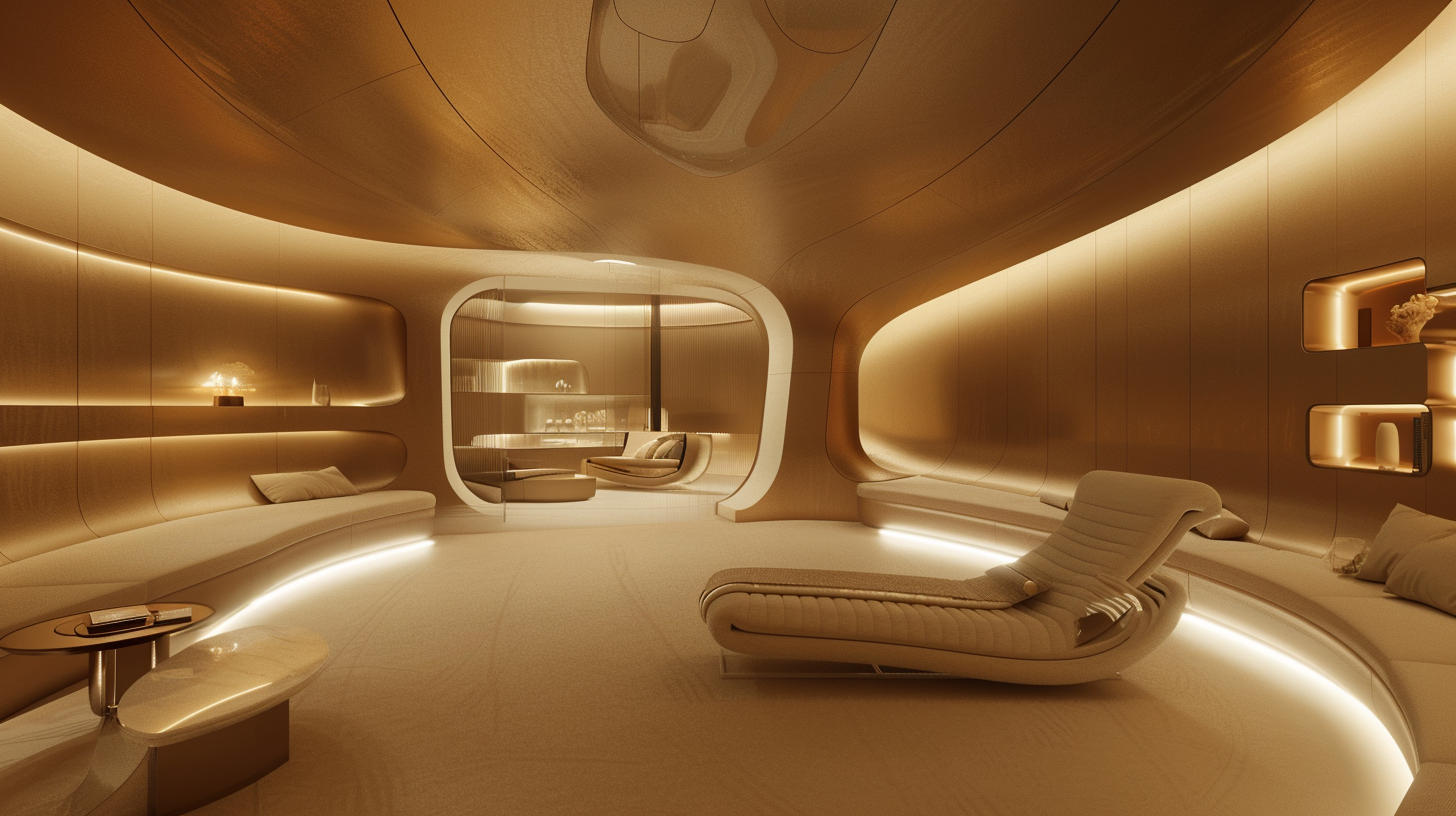
Spaceship-Themed Rooms Aren’t Just for Kids
Futuristic interiors have evolved far beyond children’s bedrooms. Thoughtful lighting, advanced materials, and integrated technology can create sophisticated, immersive environments.

Futuristic interiors have evolved far beyond children’s bedrooms. Thoughtful lighting, advanced materials, and integrated technology can create sophisticated, immersive environments.
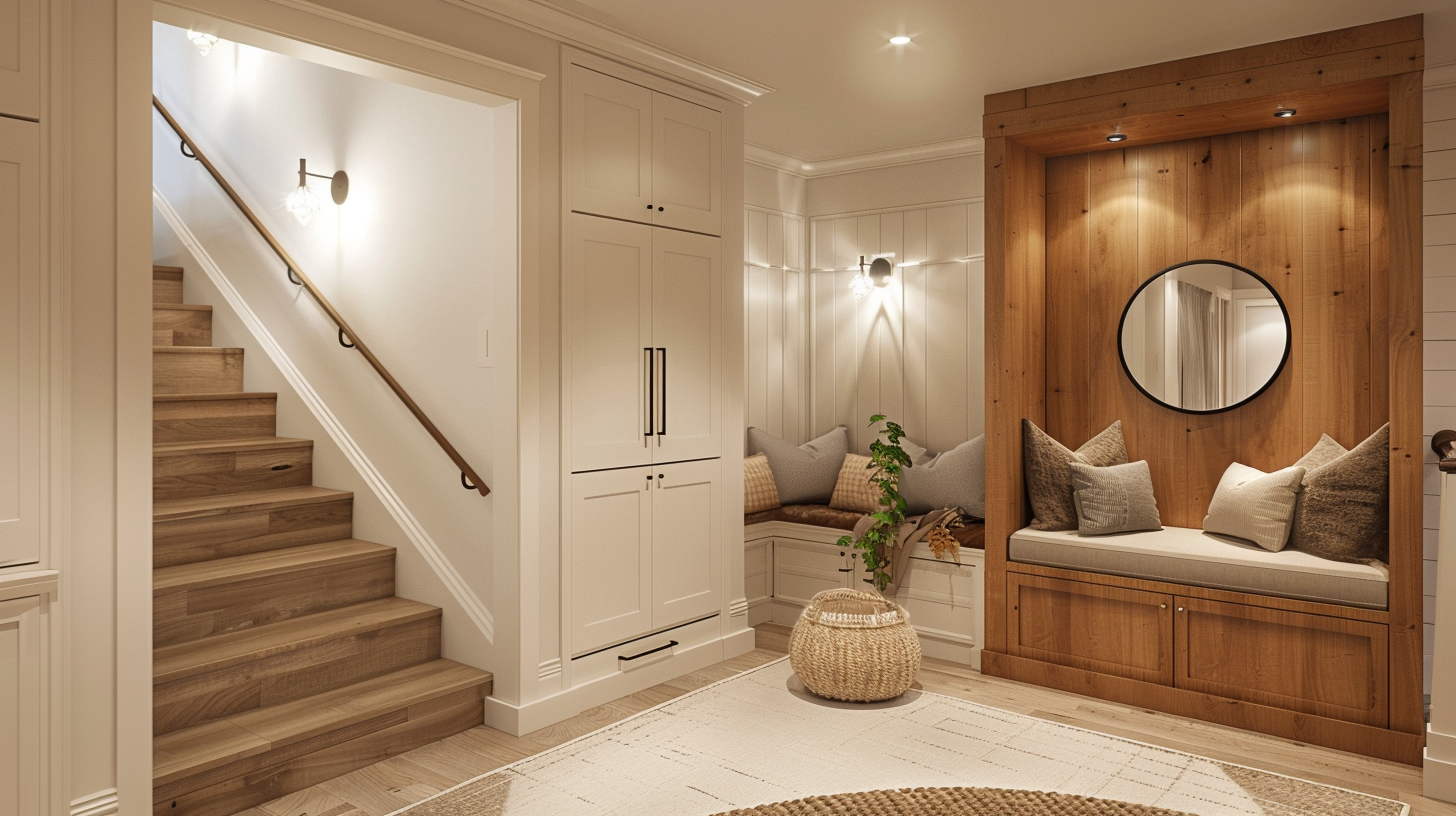
A clutter-free entryway starts with thoughtful planning. Storage, lighting, and organization all play a role in creating a welcoming first impression.
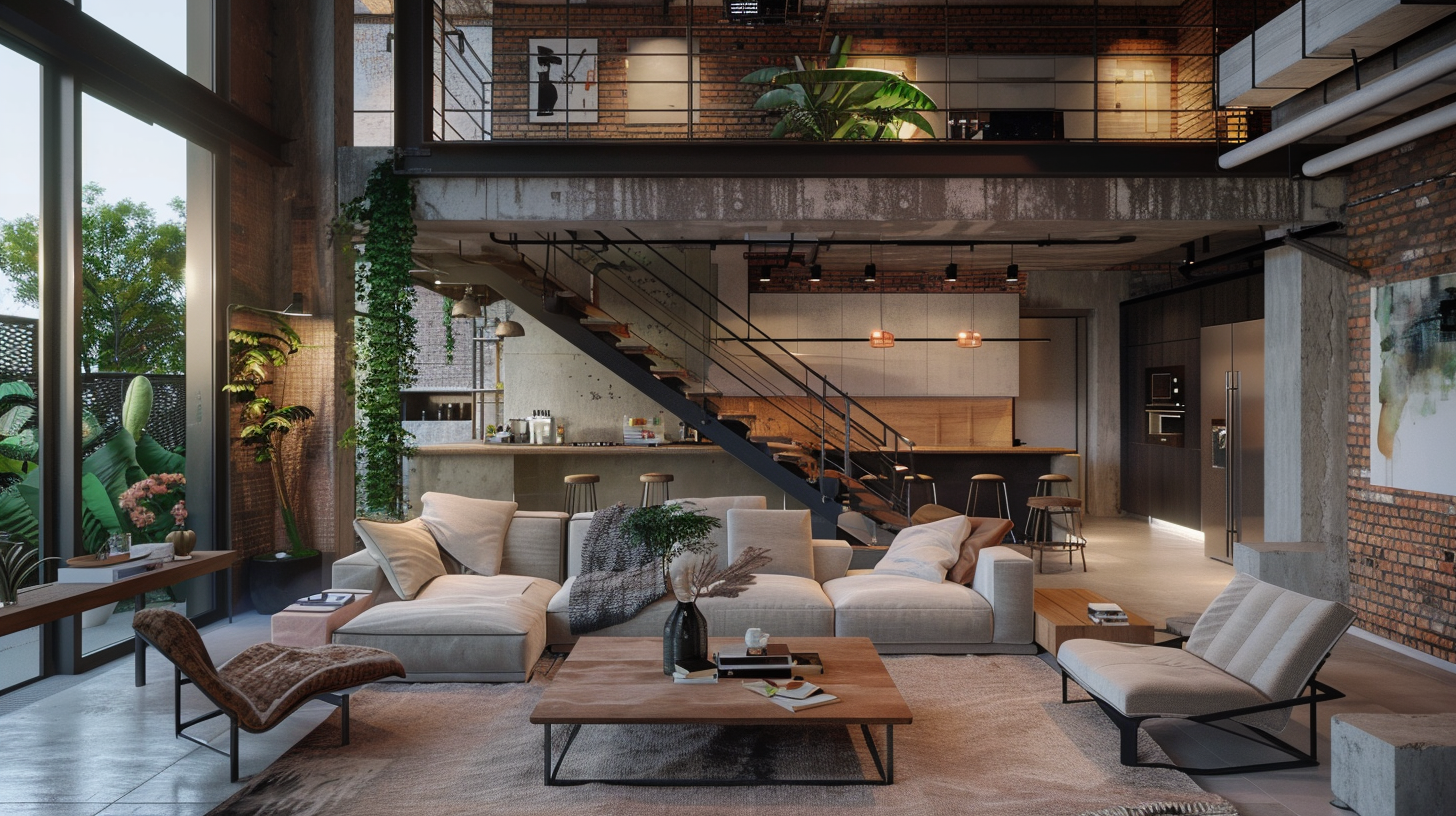
Industrial design doesn’t have to feel cold. Thoughtful use of wood, textiles, lighting, and texture can create spaces that feel both authentic and inviting.

The best design projects are built on communication and collaboration. Understanding how the design process works often leads to stronger outcomes and fewer surprises.
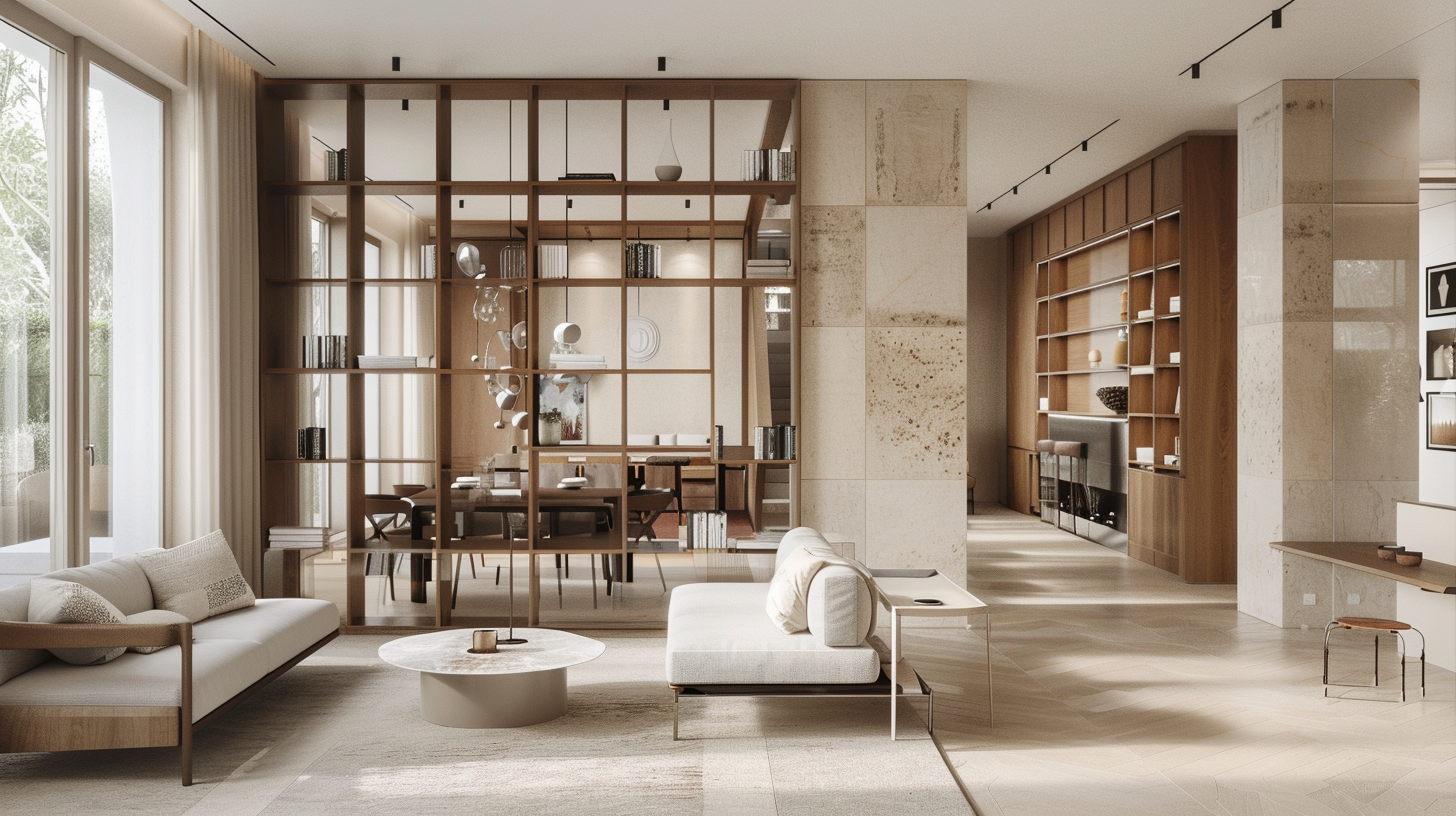
Open spaces don’t always need walls. Strategic room-dividing solutions can create privacy, organization, and functionality while preserving light and flexibility.
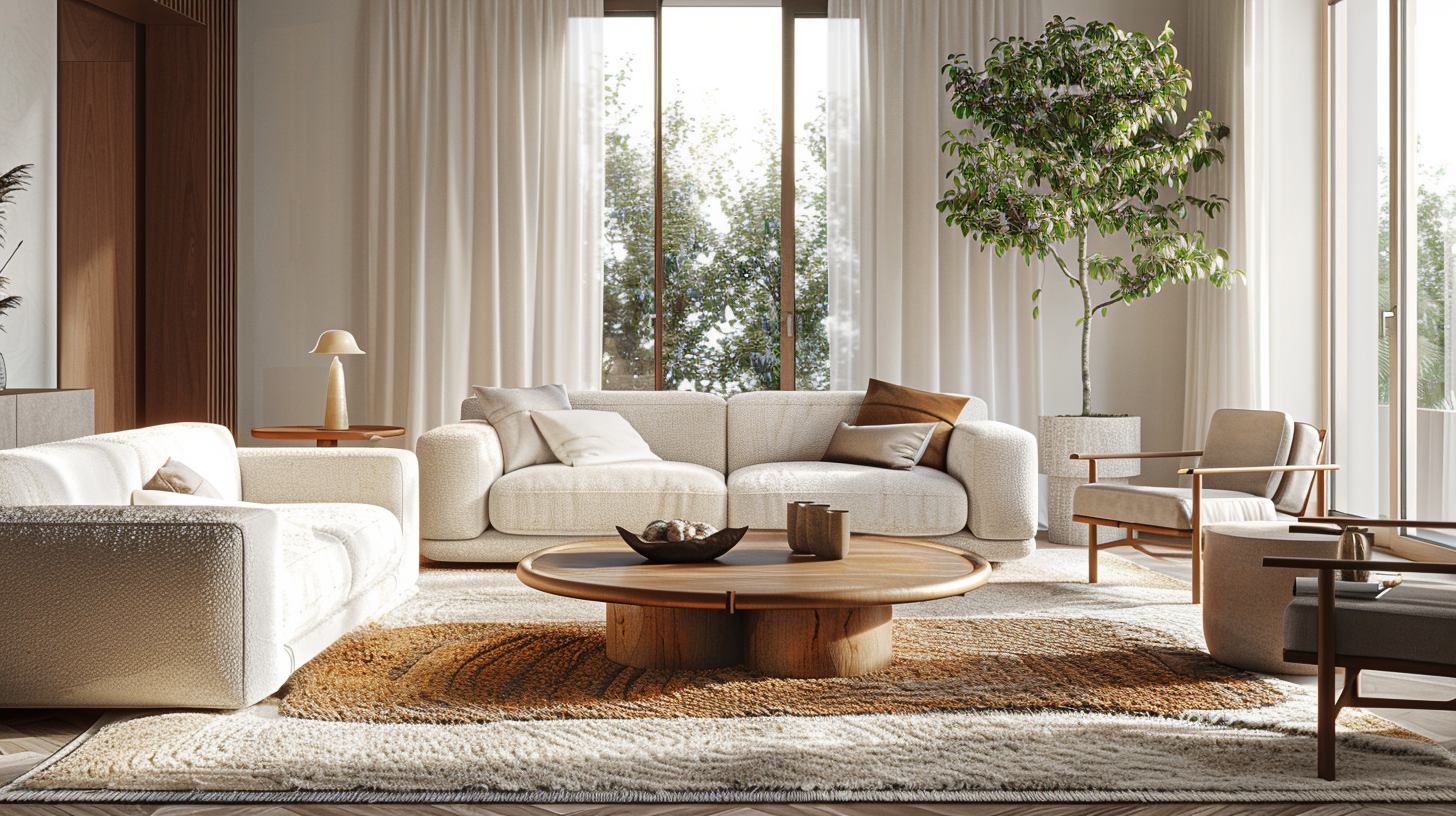
Area rugs do far more than add comfort. They help define spaces, improve acoustics, create visual balance, and bring entire rooms together.
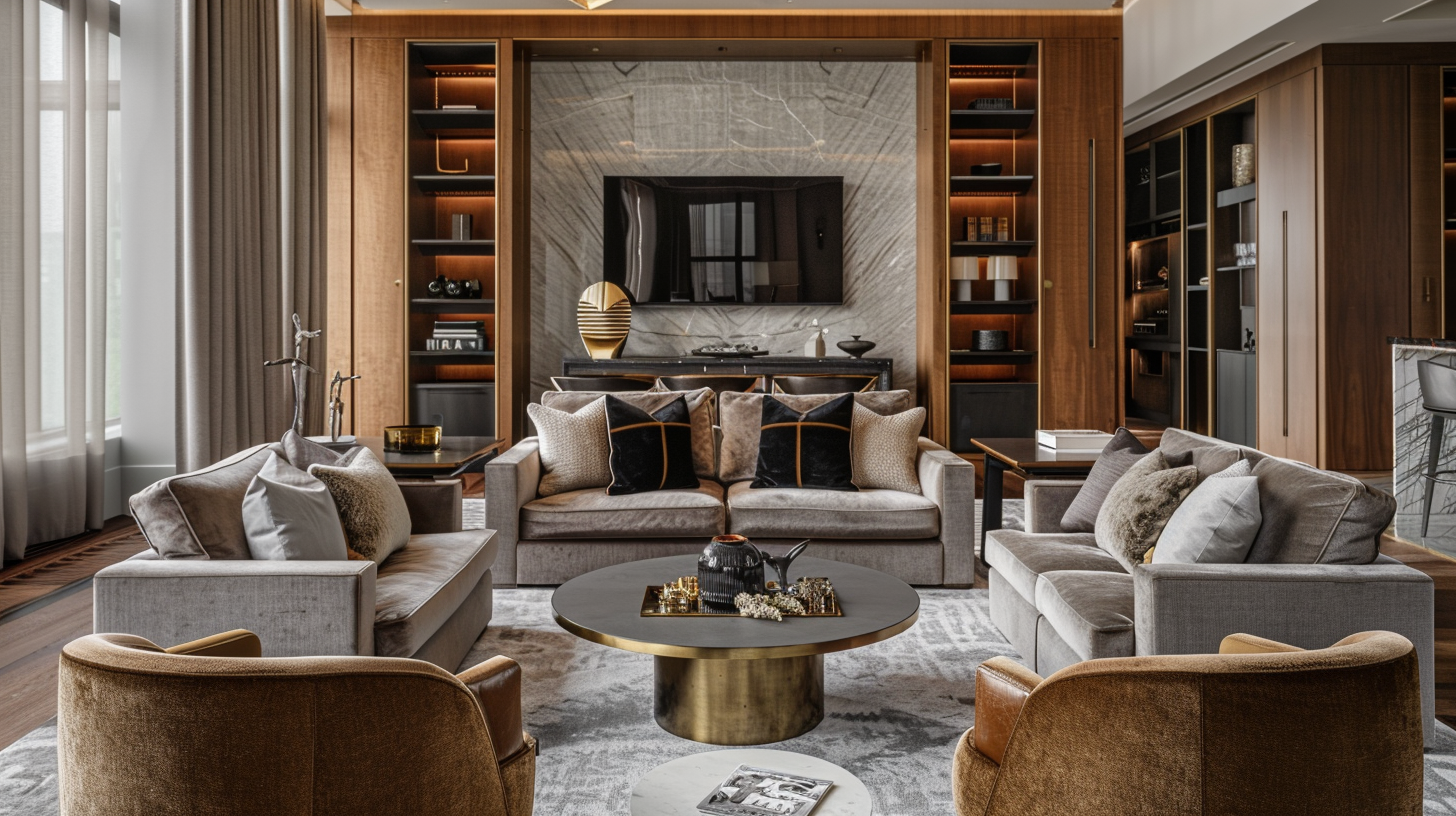
Texture adds depth, warmth, and visual interest to an interior. The most sophisticated spaces often rely more on material contrast than color alone.
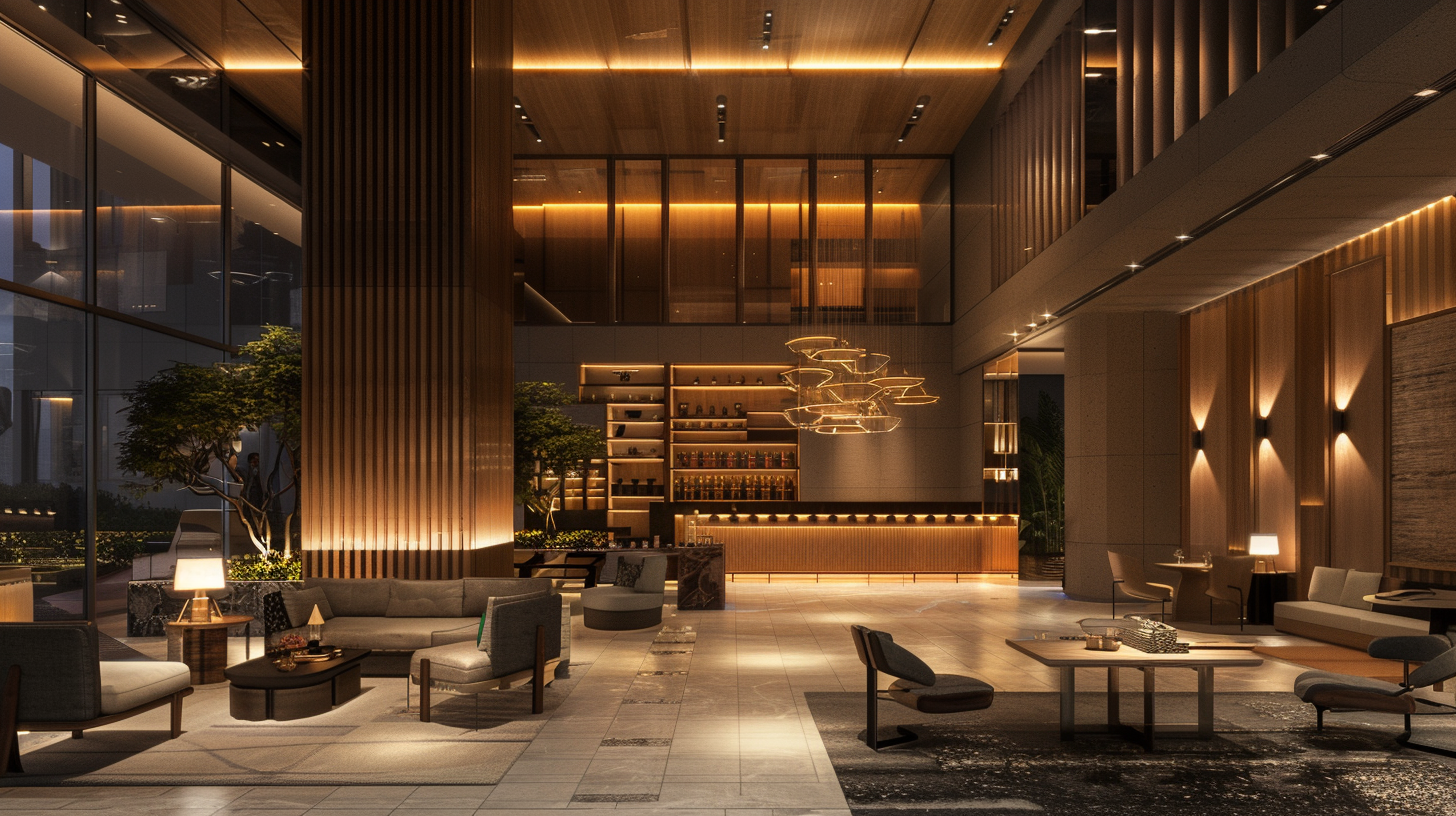
Lighting does more than illuminate a room. Ambient, task, and accent lighting work together to influence comfort, functionality, and atmosphere.
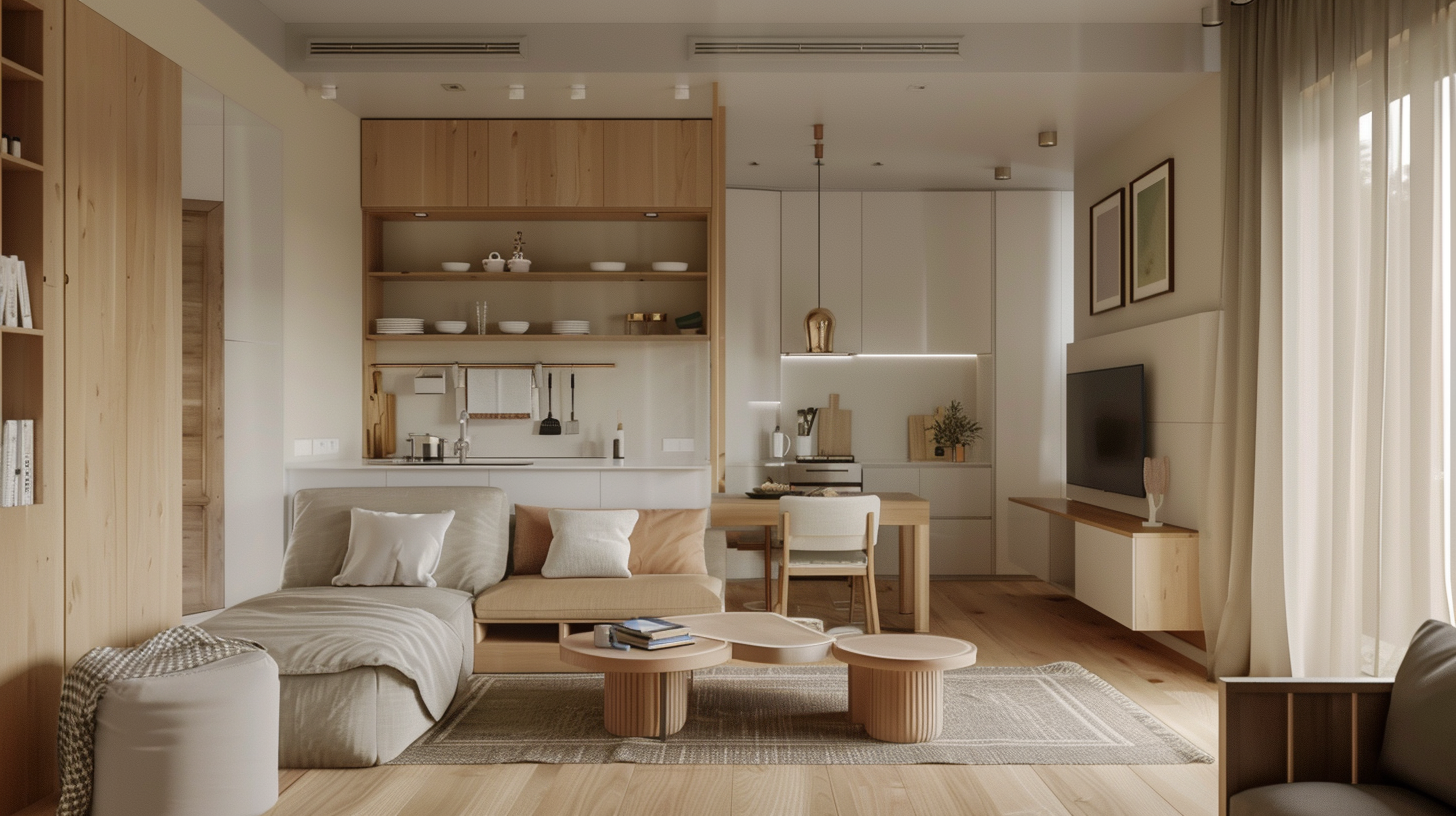
Small spaces don’t need more square footage, they need better planning. Smart layouts can dramatically improve functionality, comfort, and perceived space.
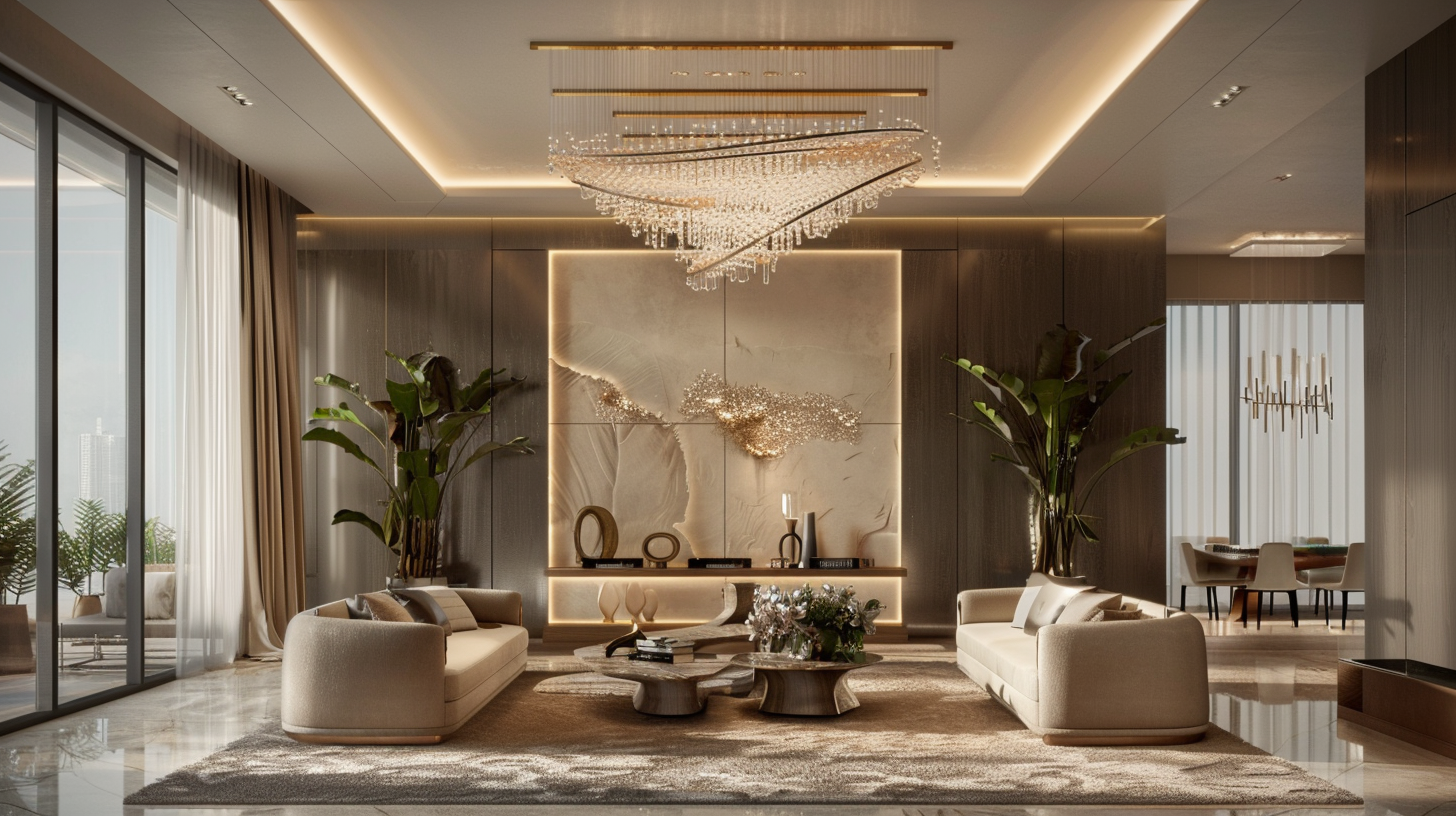
A statement piece does more than attract attention. It creates visual hierarchy, strengthens identity, and gives a room a clear focal point.
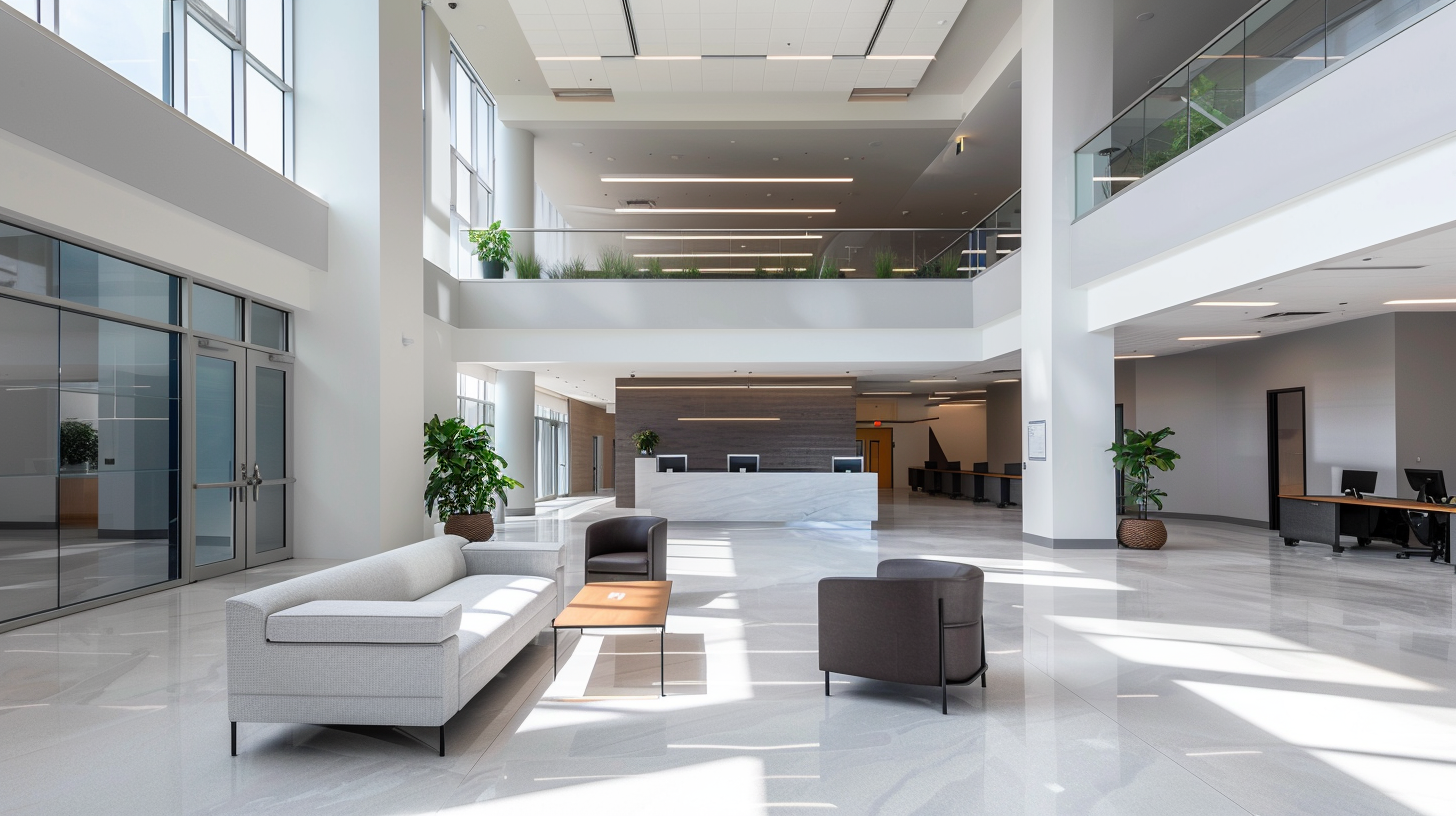
The true success of a facility isn’t measured on opening day. Long-term performance depends on maintenance planning, adaptability, and lifecycle thinking from the very beginning.
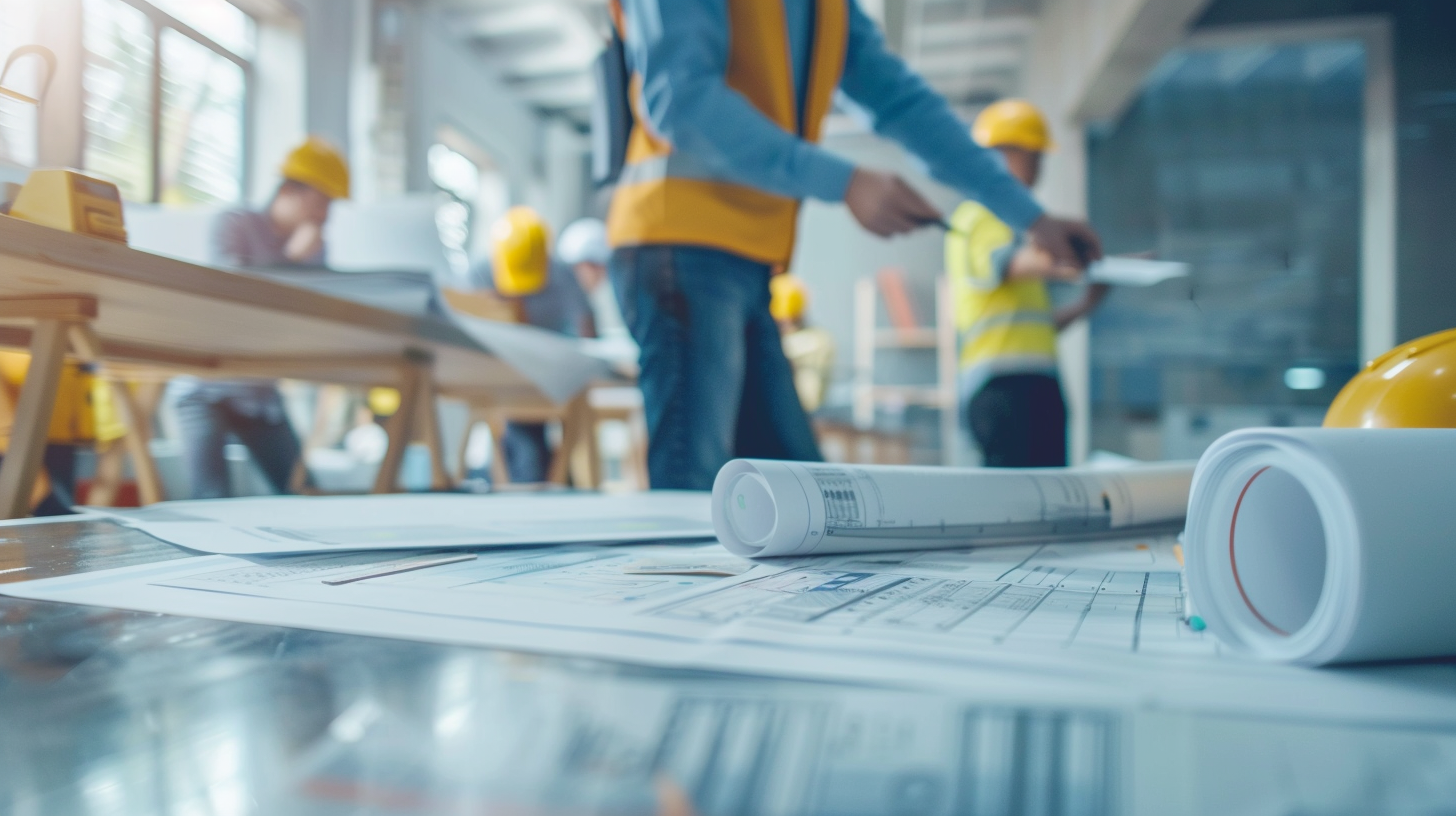
Supply chain conditions have improved since the peak disruptions of 2021 and 2022, but volatility continues to affect commercial construction projects in new ways.

Many costly project issues begin as small coordination gaps. An Owner’s Representative helps identify risks early and keep teams aligned before problems become expensive.
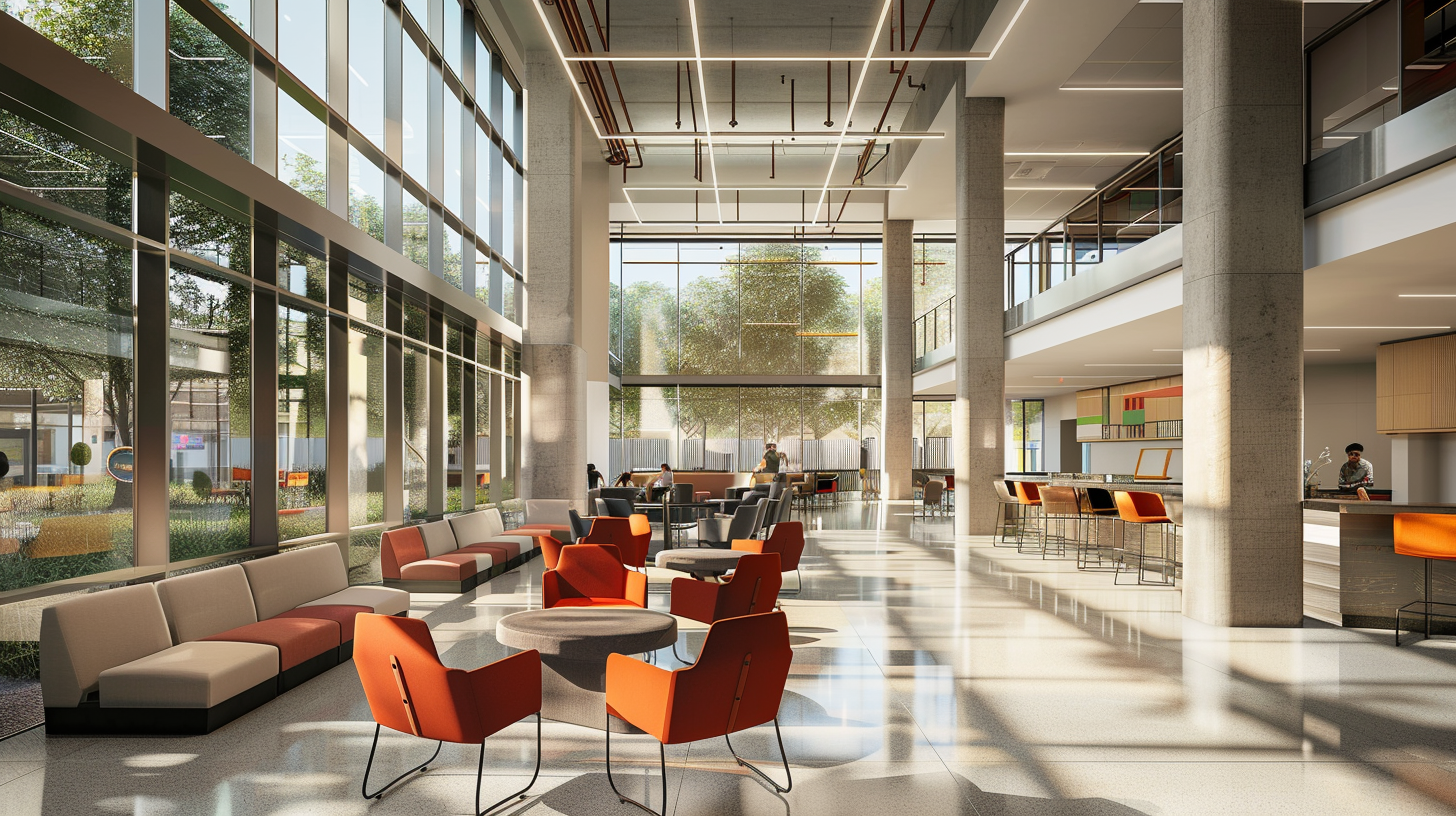
Campus design is increasingly focused on the student experience. Flexible spaces, common areas, and wellbeing-focused environments all influence engagement and retention.
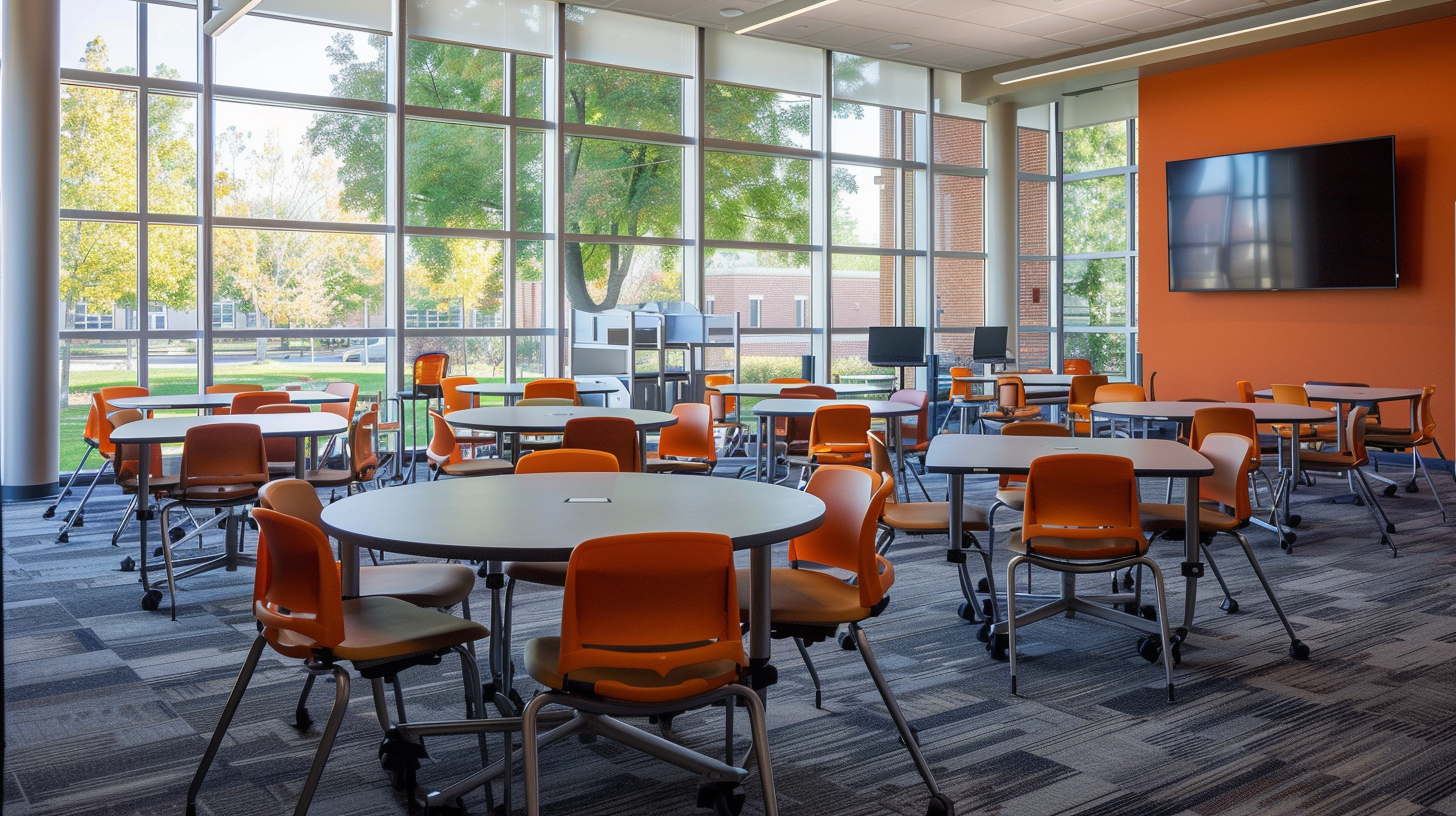
Higher education spaces are evolving beyond traditional classrooms. Flexibility, collaboration, and hybrid learning are reshaping how campuses support student success.