Commercial workplace design is in one of its most significant periods of change in decades. The post-pandemic recalibration of where and how people work has moved from emergency response to deliberate strategy — and the interior design implications are substantial. Here is what is actually driving change in 2026 and what it means for companies planning office renovations or new buildouts.
The end of the open plan monoculture
The fully open plan office — 100% workstations, no acoustic separation, shared everything — peaked and declined. The evidence from occupancy studies and employee feedback surveys is consistent: most knowledge workers need variety. They need spaces for focused individual work, collaborative work in small groups, larger team gatherings, and informal interaction. The 2026 office is a portfolio of space types, not a single configuration. The question is no longer “open or closed” but “what mix of space types does this workforce actually need, and in what proportions?”
Acoustics as a first-order design requirement
Acoustic comfort has moved from a finishing consideration to a structural design requirement. Hybrid meetings — where some participants are in the office and others are remote — amplify every acoustic problem. A poorly damped open plan creates an experience for remote participants that is actively worse than staying home. Acoustic treatment, phone booths, and enclosed meeting rooms of various sizes are now baseline expectations in well-designed offices, not premium add-ons.
Biophilic elements as retention tools
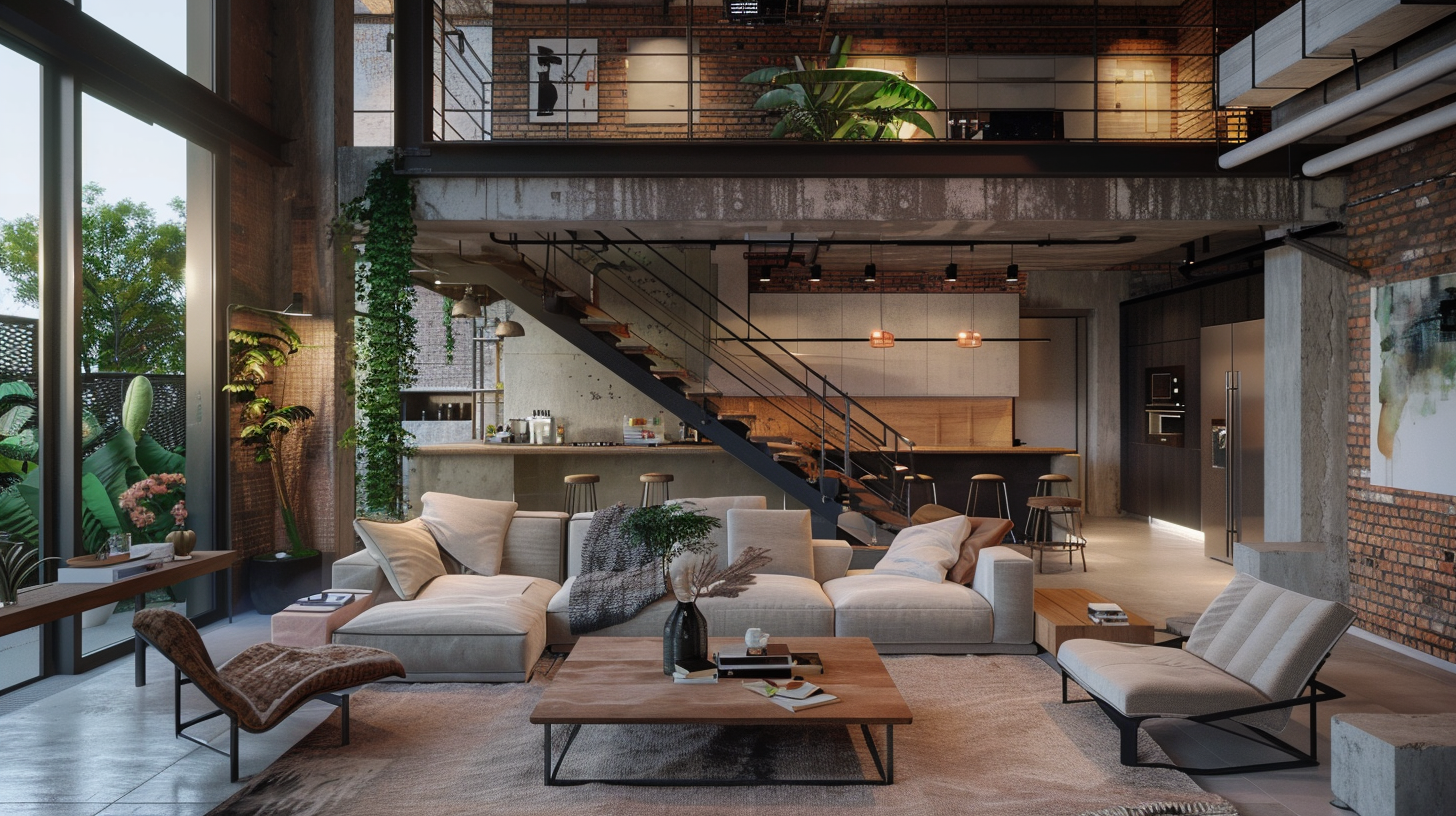
Natural light, living plant systems, natural materials, and views to outdoor spaces are correlating with occupancy rates in the post-pandemic return-to-office context. Buildings and floors with genuine biophilic design features fill their spaces more reliably than those without. This isn’t speculation — it’s showing up in occupancy data. The implication for companies designing or renovating offices: biophilic elements are now a business case investment, not a design indulgence.
Right-sizing and neighborhood planning
Most companies that occupied the same square footage pre-pandemic as they do now are occupying the wrong footprint. Right-sizing means analyzing actual peak and average occupancy, not headcount, and designing to the real utilization pattern. Neighborhood planning — assigning zones of the office to specific teams or functions rather than allowing fully unassigned seating — is the organizational layer that makes right-sized spaces function well. The space plan follows the work model, not the other way around.
DIG Interior Design Solutions designs commercial workplaces in New York and New Jersey that reflect how companies actually work. Start a conversation about your project.