Applied Behavior Analysis (ABA) therapy clinics serve populations — primarily children on the autism spectrum — with heightened sensitivity to sensory input. The interior environment of an ABA clinic is a therapeutic tool, not just a backdrop. Design decisions about lighting, acoustics, color, spatial organization, and circulation directly affect the therapeutic environment and the outcomes it supports.
Lighting considerations
Fluorescent lighting, particularly older T8 or T12 fixtures with visible flicker, is a known sensory trigger for many individuals with autism. LED lighting at a warm color temperature (2700–3000K) and high CRI (90+) eliminates flicker, reduces sensory stress, and creates a calmer visual environment. Lighting should be dimmable in therapy rooms to allow therapists to adjust levels based on individual client needs. Avoiding overhead glare — using indirect or diffused light sources rather than bare downlights at low ceiling heights — is a standard specification for this building type.
Acoustic environment
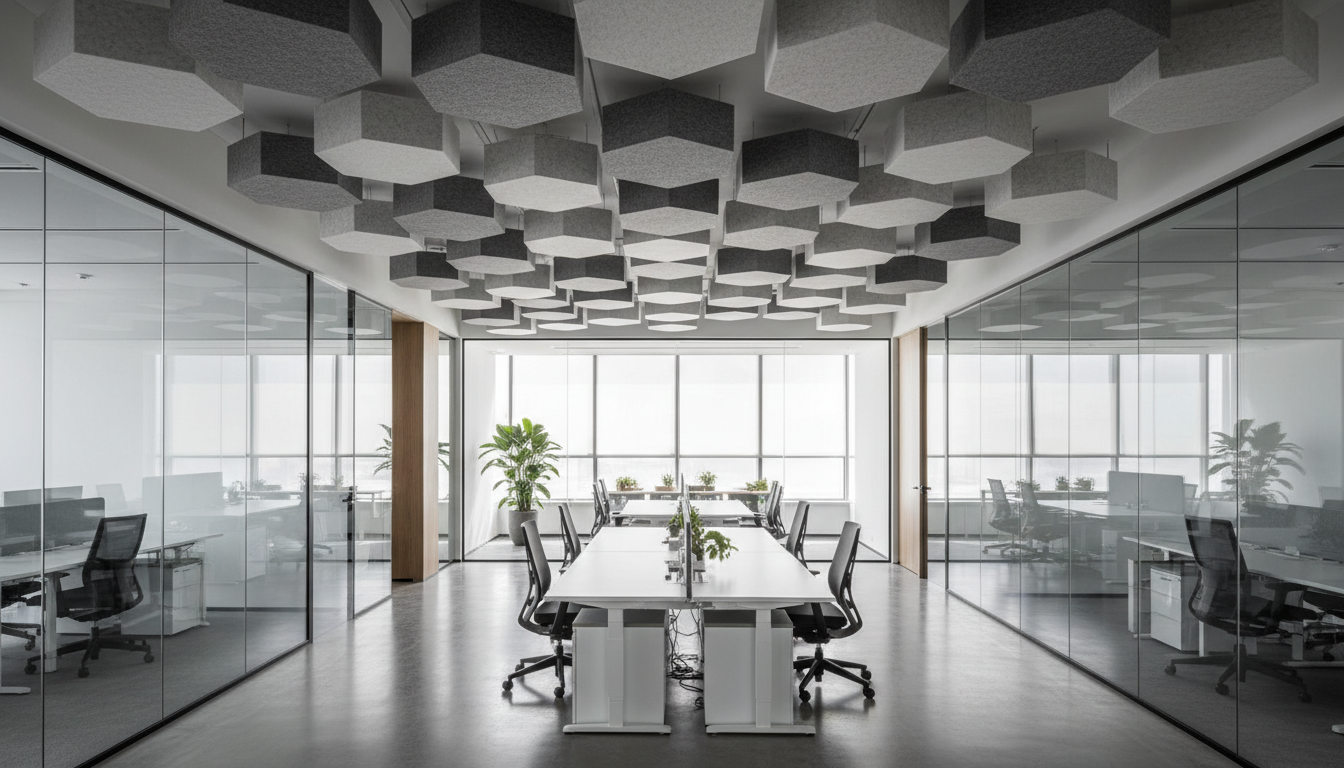
Sound transmission between therapy rooms is both a confidentiality concern and a therapeutic environment concern. Individuals with sensory sensitivities may be significantly distracted by sounds from adjacent rooms. Partitions rated for speech privacy (STC 50+), solid-core doors with proper gaskets, and acoustic ceiling treatment in therapy rooms create environments where each room is acoustically self-contained. Reception and waiting areas should be acoustically separated from therapy rooms so that the sounds of the clinical environment — which can be reinforcing sounds, distress sounds, or therapeutic activities — do not create anxiety for clients waiting for their session.
Safety and materials
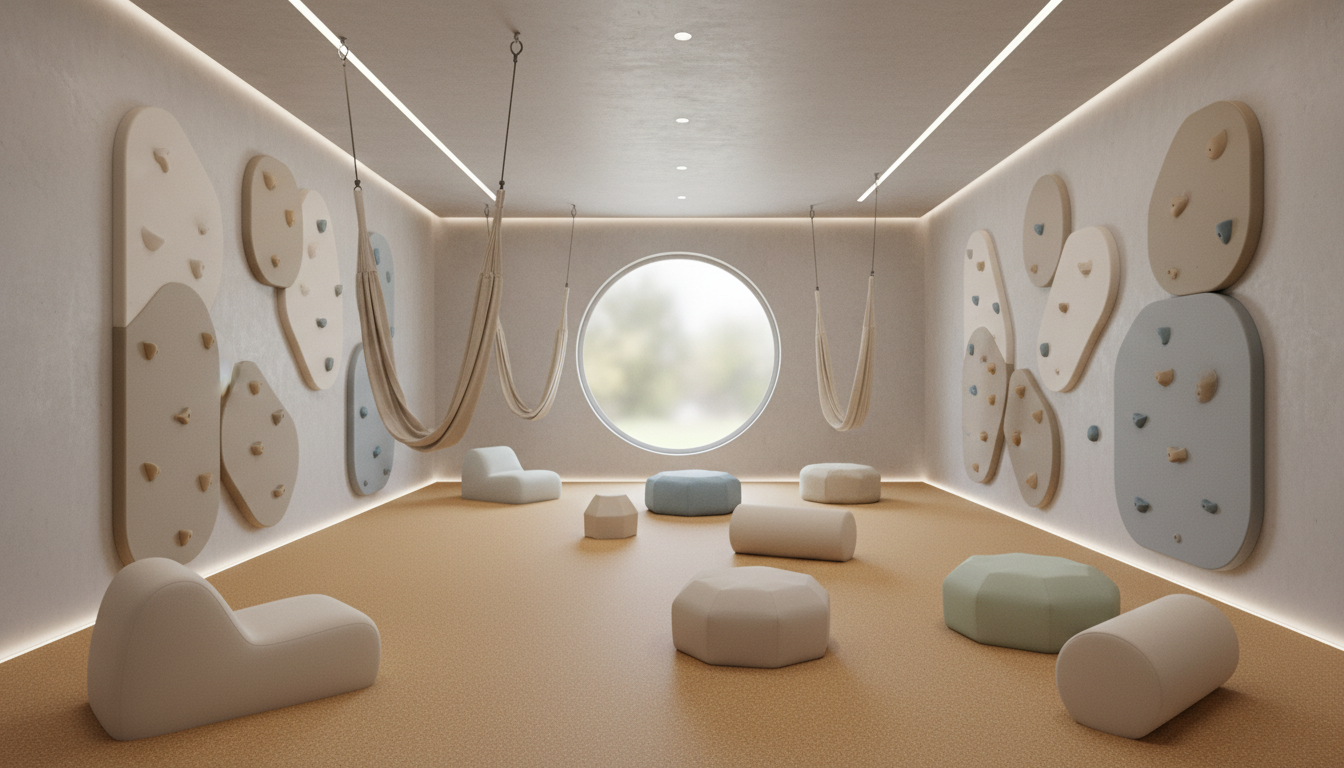
ABA therapy rooms must address safety for clients who may engage in self-injurious behavior or property destruction: no exposed sharp corners; wall materials that can absorb impact; flooring that provides fall protection without creating a fall hazard; windows with laminated glass or protective film; and hardware with no ligature risk. Cleanability is also essential — surfaces in therapy rooms see intensive use and must support the cleaning protocols required for clinical environments.
DIG Interior Design Solutions designs behavioral health and specialty healthcare environments in New York and New Jersey. Contact us to discuss your ABA clinic project.