In the heart of New York City, a hub of global innovation and commerce, the call for environmental responsibility grows louder every day. Businesses are no longer judged solely on their financial performance but also on their corporate citizenship. Sustainable interior design has emerged as a powerful way for companies to demonstrate their commitment to the planet, their employees, and their community. This comprehensive approach to design, also known as green or eco-friendly design, goes beyond aesthetics to create commercial spaces that are healthier, more resource-efficient, and ethically sound.
This pillar post will serve as your definitive guide to the principles of sustainable design, exploring how conscious choices in materials, energy, and waste can lead to spaces that not only look good but do good. For any modern NYC business, embracing sustainability is not just a trend—it’s an essential strategy for future-proofing their brand and their operations.
The Core Principles of Sustainable Design
Sustainable design is a holistic philosophy guided by the principle of balancing environmental, social, and economic needs. It’s about minimizing our negative impact on the planet while maximizing the health and well-being of the people who inhabit the spaces we create. The practice is built upon four key pillars.
1. Responsible Material Sourcing and Life Cycle
The materials chosen for an interior space have a vast and often unseen environmental footprint. Responsible sourcing is about understanding and minimizing that impact from cradle to grave.
- Recycled Content: Selecting materials made from post-consumer or post-industrial recycled content, such as countertops made from recycled glass, carpet from recycled fibers, or insulation from recycled denim.
- Renewable Resources: Prioritizing rapidly renewable materials that can be harvested in a short cycle (typically 10 years or less), such as bamboo flooring, cork, and linoleum.
- Local Sourcing: Procuring materials and products that are manufactured locally or regionally to reduce the carbon emissions associated with transportation.
- Certified Wood: Ensuring that all wood products come from sustainably managed forests, as verified by certifications like the Forest Stewardship Council (FSC).
- Health and Toxicity: Avoiding materials that contain harmful chemicals and toxins, which can off-gas into the indoor environment.
2. Maximizing Energy Efficiency
Commercial buildings are major consumers of energy. Smart design can significantly reduce a building’s energy load, leading to lower operating costs and a smaller carbon footprint.
- Lighting Strategies:
- Daylight Harvesting: Designing the layout to maximize the penetration of natural light, reducing the need for artificial lighting.
- LED and High-Efficiency Fixtures: Specifying LED lighting, which uses a fraction of the energy of traditional bulbs and has a much longer lifespan.
- Smart Controls: Installing occupancy sensors that turn lights off in empty rooms and photosensors that dim artificial lights when daylight is sufficient.
- Energy Star Appliances: Selecting office equipment, kitchen appliances, and HVAC systems that are Energy Star certified for superior efficiency.
- Thermal Performance: Improving insulation and specifying high-performance windows to reduce the energy required for heating and cooling.
3. Waste Reduction and Management
The construction and demolition industry is a massive contributor to landfill waste. Sustainable design aims to minimize this waste at every stage.
- Design for Durability: Choosing high-quality, durable materials that will not need to be replaced frequently, thus reducing future waste.
- Construction Waste Management: Developing a plan with contractors to divert construction debris from the landfill through recycling and salvaging.
- Operational Recycling: Designing dedicated, convenient spaces for the collection and storage of recyclables and compost to encourage sustainable habits among employees.
- Adaptive Reuse: Repurposing existing buildings or structures instead of demolishing them, which is one of the most impactful sustainable strategies. Within a space, this can mean refinishing existing floors or salvaging architectural elements.
4. Enhancing Indoor Air Quality (IAQ)
We spend around 90% of our time indoors, making the quality of the air we breathe critically important for our health, comfort, and cognitive function.
- Low-VOC Materials: Specifying paints, adhesives, sealants, flooring, and furniture with low or zero volatile organic compounds (VOCs). VOCs are chemicals that can off-gas for years, causing respiratory issues, headaches, and other health problems.
- Proper Ventilation: Designing effective HVAC systems that bring in an adequate amount of fresh outdoor air and exhaust stale, polluted indoor air.
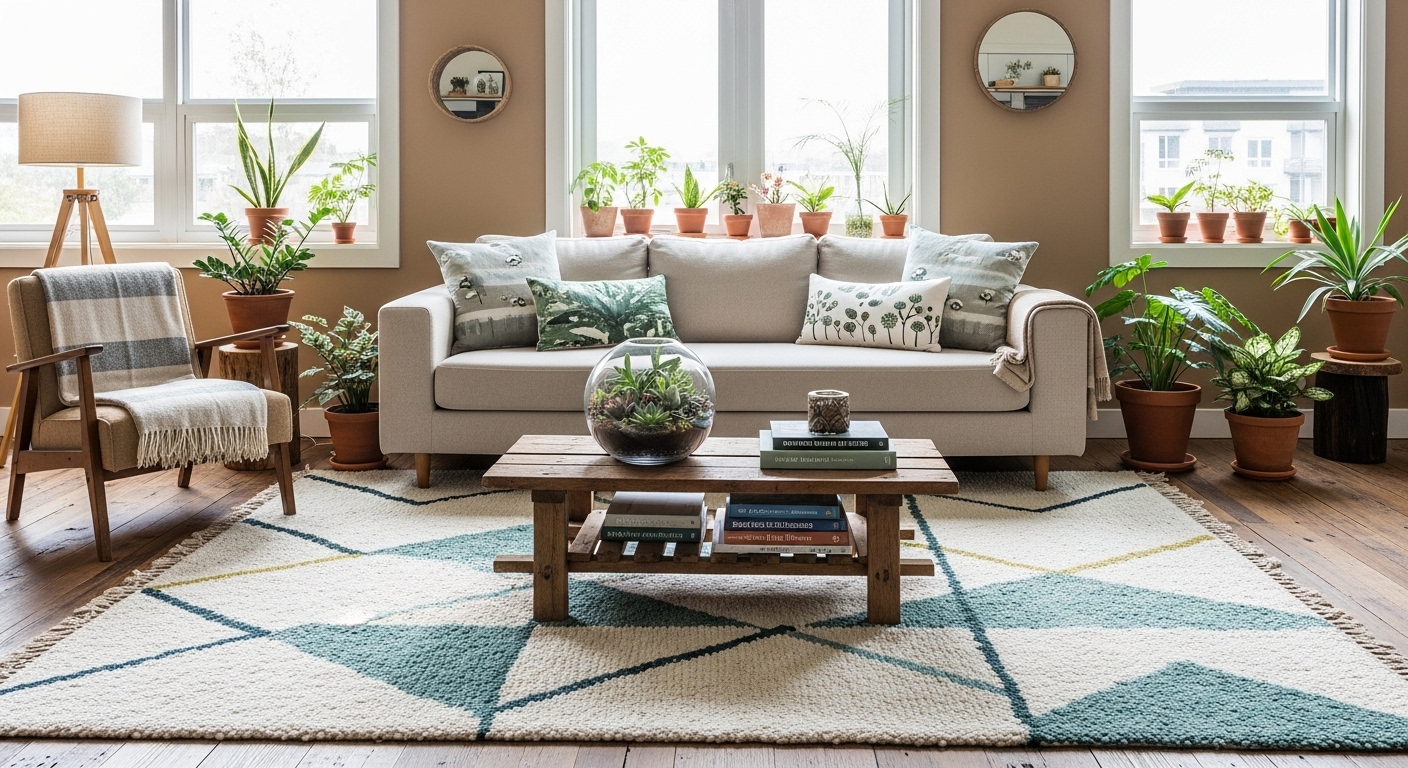
- Air-Purifying Plants: Incorporating biophilic design by including species of plants that are known to naturally filter common indoor air pollutants.
- Material Transparency: Using products with transparent ingredient lists, such as those with Health Product Declarations (HPDs), to ensure they are free from harmful chemicals.
DIG: Your Partner in Sustainable Design Leadership
At DIG Interior Design, we are not just designers; we are advocates for a healthier planet and healthier people. We believe that sustainable interior design is simply good design. It’s an integral part of our process and a core value of our firm. We position ourselves as thought leaders in this critical area, guiding our NYC clients toward choices that are not only environmentally responsible but also economically savvy and beneficial to their employees’ well-being.
We are committed to staying at the forefront of sustainable materials and technologies, helping our clients navigate the complexities of green building standards and certifications. Our design solutions are tailored to create spaces that are beautiful, functional, and fundamentally aligned with the values of a modern, forward-thinking business. Learn more about our firm’s commitment to a sustainable future and explore the full scope of our services.
Take the first step toward creating a commercial space that reflects your commitment to corporate responsibility and employee wellness. Contact DIG Interior Design for a consultation and let us guide you in adopting sustainable practices that will benefit your business for years to come.