While diners admire the ambiance of the dining room, the true engine of any successful restaurant is hidden behind swinging doors: the commercial kitchen. This is the “heart of the house,” a high-pressure environment where culinary creativity, speed, and precision converge. An efficient commercial kitchen design layout is not a luxury; it’s the operational backbone of the entire establishment. A well-designed kitchen ensures a smooth workflow, minimizes accidents, boosts staff morale, and is ultimately essential for delivering high-quality food to guests in a timely manner.
A kitchen that is poorly planned, on the other hand, creates chaos. It leads to bottlenecks, compromises food safety, increases staff stress, and can grind service to a halt. Investing in a strategic layout is one of the most critical business decisions a restaurateur can make.
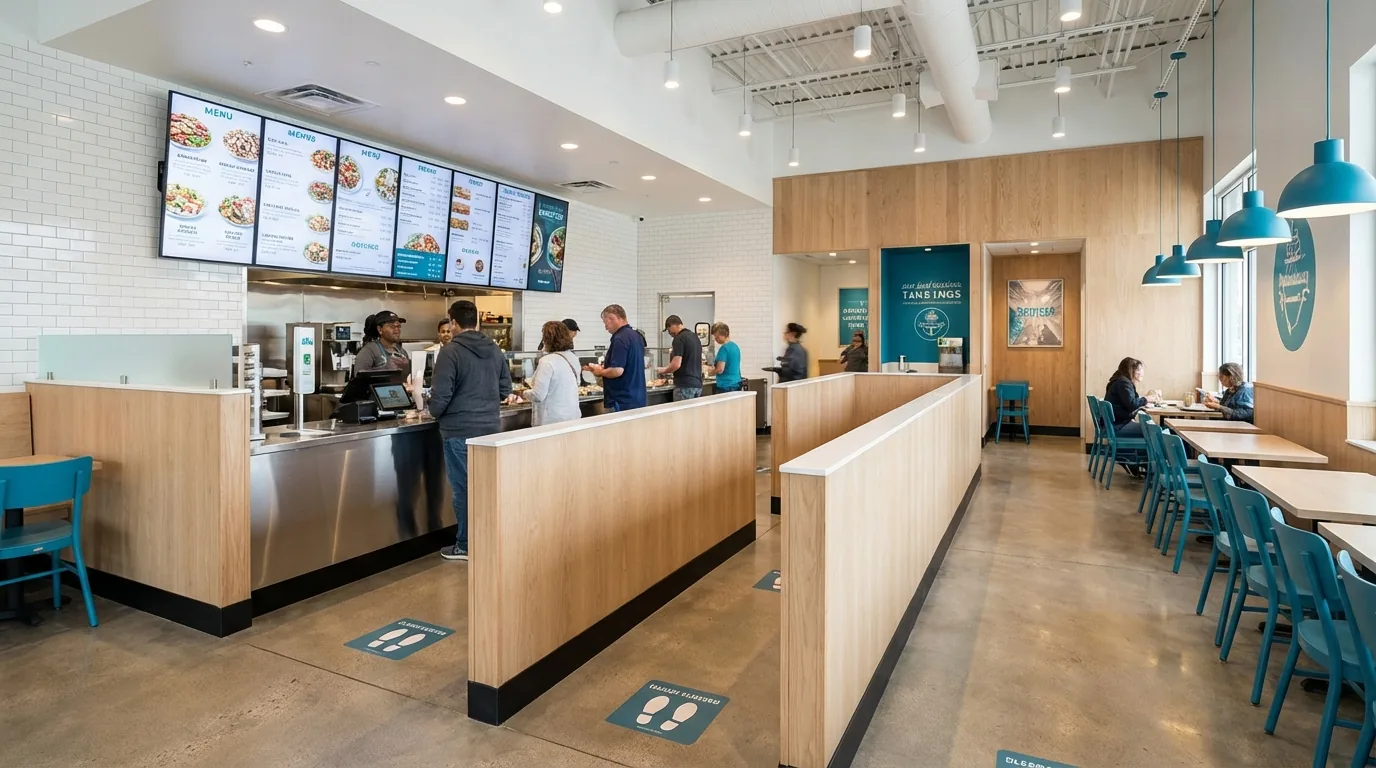
The primary goal of a commercial kitchen layout is to optimize workflow. This means creating a logical, sequential flow from the moment raw ingredients arrive at the receiving dock to the moment a finished plate is handed off to a server. The layout should minimize the number of steps an employee has to take, prevent cross-traffic between different stations, and ensure that staff and materials move through the kitchen in an orderly fashion. A logical flow reduces physical strain on the staff and saves precious seconds on every order, which adds up to a more efficient and profitable operation.
While every kitchen is customized to the specific menu and space, most layouts are based on one of several classic configurations. The choice depends on the size of the kitchen, the volume of service, and the type of cuisine.
In this configuration, equipment is arranged in a line, with food preparation flowing logically from one station to the next. For example, a sandwich station might flow from the cold table for ingredients, to the prep counter, to the grill, and finally to the plating area.
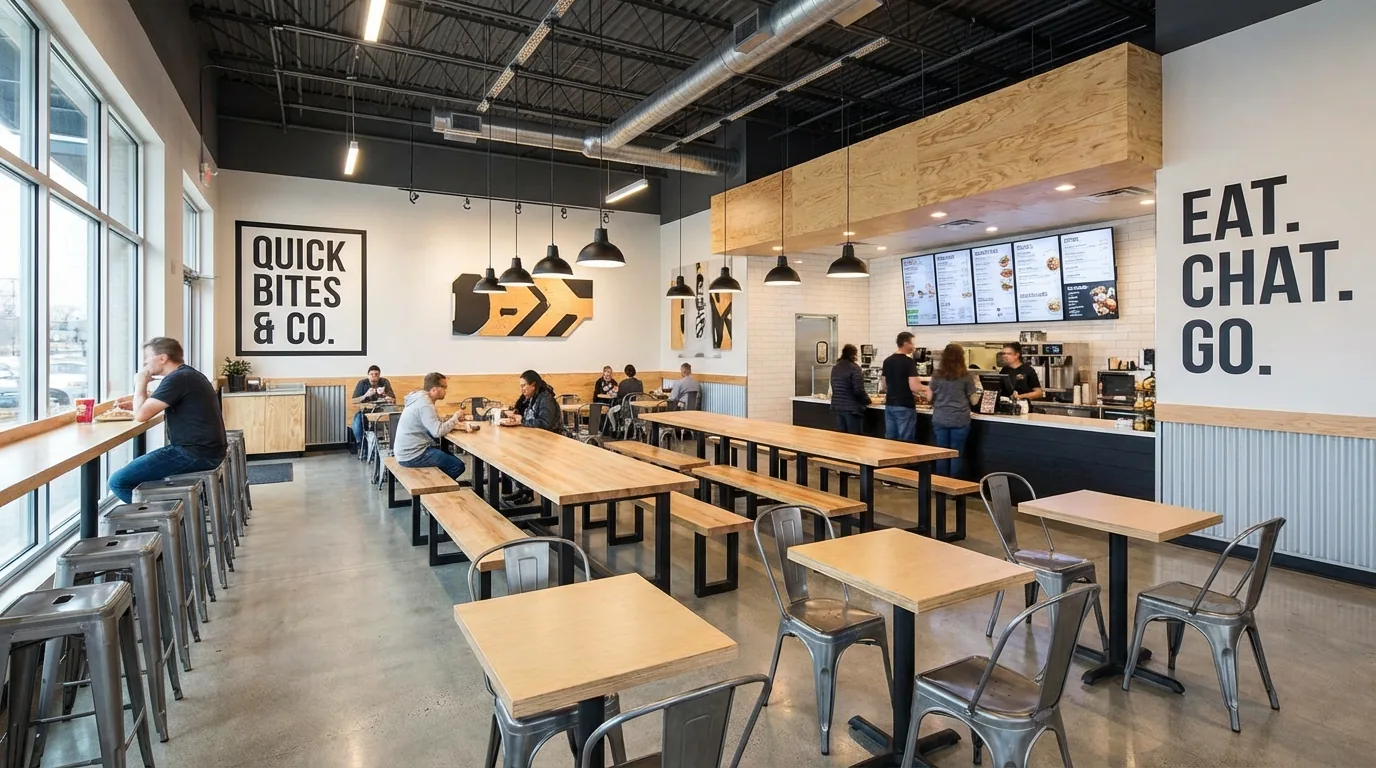
This popular layout features a central block (the island) for cooking equipment like ranges, ovens, and grills. Other stations like prep, washing, and storage are located along the perimeter walls.
In this style, the kitchen is divided into distinct zones based on activity. For example, there will be a soup and salad station, a meat station, a pastry station, and so on.
In this configuration, all equipment and stations are placed in parallel lines along two opposite walls. This is a very common layout in smaller or narrow kitchens.
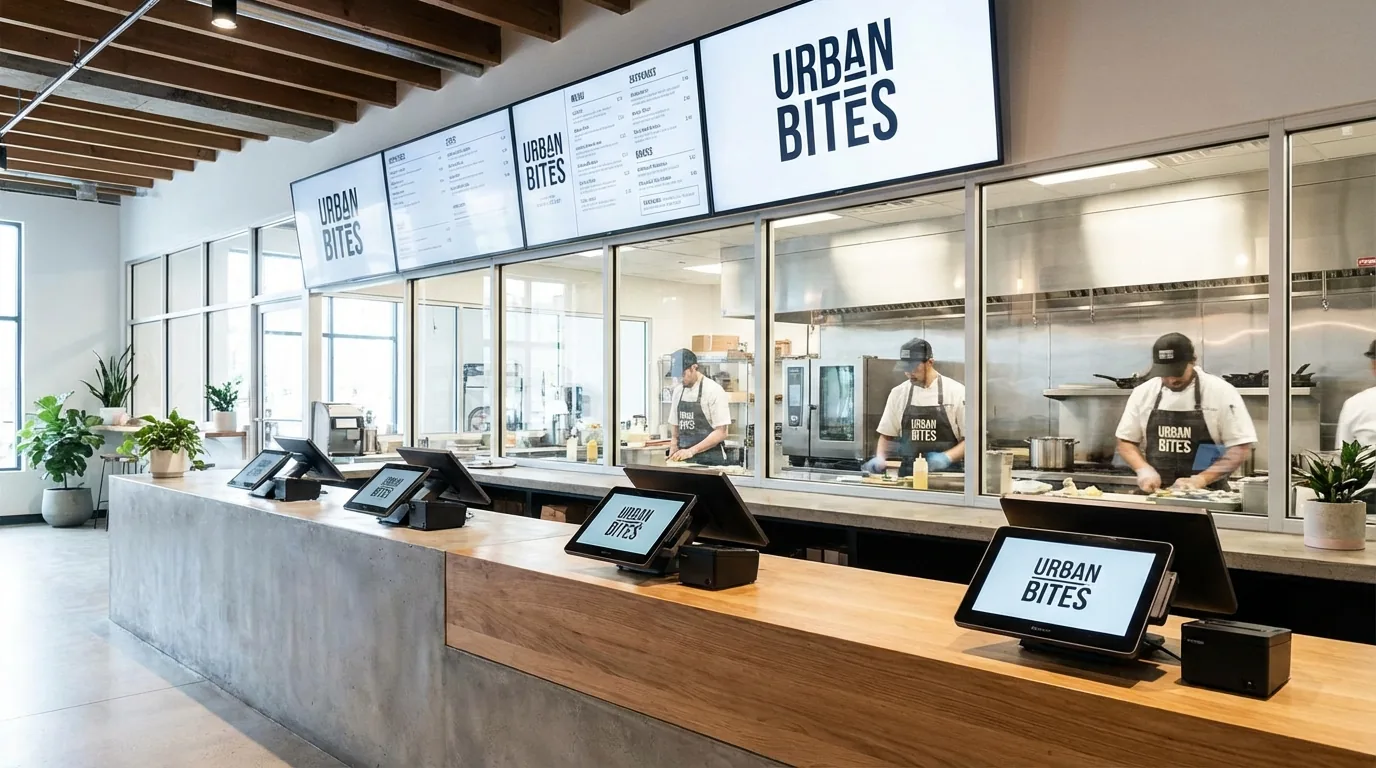
Beyond the overall layout, a successful commercial kitchen design must address several critical details.
A high-performance kitchen is a cornerstone of any successful hospitality venture. This behind-the-scenes excellence is a critical, though unseen, part of the overall guest experience, as explored in our guide to Restaurant Interior Design in NYC. At DIG Interior Design, we provide holistic design services that consider every aspect of a restaurant’s operation, from the front door to the back of the house.
Build a kitchen that powers your culinary vision, not one that hinders it. Contact DIG Interior Design to leverage our expertise in designing commercial kitchens that are as functional and efficient as they are state-of-the-art.