Introduction: The Architecture of Empathy
As we move through 2026, the landscape of behavioral healthcare is shifting from purely functional spaces to environments that act as active participants in the healing process. For healthcare administrators and facility managers, the challenge of ABA therapy clinic design is no longer just about meeting building codes or maximizing square footage. It is about creating a sanctuary where neurodivergent children feel understood, safe, and empowered to grow.
When we design for Autism Spectrum Disorder (ASD), we are designing for a diverse range of sensory profiles. Some children experience the world with the volume turned all the way up (hypersensitivity), while others seek out intense input just to feel grounded (hyposensitivity). A compassionate, humanist approach to design recognizes that the physical environment can either be a barrier to progress or a catalyst for breakthrough. By integrating sensory-inclusive principles, we reduce the cognitive load on the learner, allowing them to focus their energy on the therapeutic goals at hand.
Understanding Sensory Needs: The “Third Teacher”
In the world of Applied Behavior Analysis (ABA), the environment is often referred to as the “third teacher.” If a child is distracted by the hum of an HVAC system or the flicker of a fluorescent bulb, the most skilled BCBA (Board Certified Behavior Analyst) will struggle to maintain engagement. To build a high-quality clinic in 2026, we must look at the world through the eyes—and ears—of the patient.
The Power of Tunable Lighting
Lighting is arguably the most critical element in sensory-inclusive design. Traditional overhead lighting often utilizes high-frequency flickers that are invisible to neurotypical individuals but can be agonizing for those with ASD, potentially triggering migraines or sensory meltdowns.
Current data indicates that clinics utilizing tunable lighting report a 20% reduction in sensory overload incidents. By implementing dimmable, 3000K LED systems, facility managers can adjust the “warmth” of a room to suit the specific needs of a session. In 2026, we recommend avoiding “cool” blue-toned lights in therapy rooms, as these are known to increase cortisol levels and heighten anxiety. Instead, focus on soft, indirect lighting that mimics natural circadian rhythms.
Acoustic Integrity and the “Quiet” Environment
Acoustic management is not just about keeping the noise down; it’s about managing “sound bleed.” In an ABA setting, a vocal outburst in one room should not disrupt a focused matching task in the next. We advocate for an Acoustic Rating (STC) of 50 or higher for individual therapy rooms. This is achieved through slab-to-slab wall construction and the use of acoustic sealants. By prioritizing silence, we provide a “blank canvas” for the child’s auditory processing.
Safety & Elopement Prevention: Designing for Peace of Mind
For parents of children with ASD, “elopement”—the tendency to wander or run away from a safe area—is a constant source of anxiety. As a facility manager, your design must provide “invisible security” that keeps children safe without making the clinic feel like a restrictive institution. This is where the humanist approach meets rigorous engineering.
Hardware and Circulation
Effective elopement prevention starts at the floor plan. We utilize a “vestibule” or “man-trap” entry system, ensuring that two sets of doors must be cleared before a child reaches the exterior. Inside the clinic, door hardware should be specialized. Delayed-egress locks and magnetic hold-opens integrated with the fire alarm system provide safety while maintaining compliance with life-safety codes. However, from a humanist perspective, these features should be aesthetically integrated—using wood-grain finishes or recessed keypads—to maintain a warm, welcoming atmosphere.
De-escalation Zones vs. Seclusion
In 2026, the industry has moved away from “time-out” rooms toward “de-escalation zones.” These are softly padded, low-stimulation environments where a child can safely regain emotional regulation. These rooms require impact-resistant drywall (often called “high-abuse” or “high-impact” board) to ensure the safety of both the child and the facility. When a child is in crisis, the environment should embrace them, not punish them. Smooth corners, recessed outlets, and weighted blankets in these zones offer a sensory “hug” that facilitates faster recovery.
Zoning: The Interplay of Gym vs. Therapy
A successful ABA therapy clinic design requires a clear separation between “high-arousal” and “low-arousal” zones. This zoning prevents sensory “spillover” and helps children understand the behavioral expectations of different spaces.
The Gross Motor Gym: A Place for Proprioception
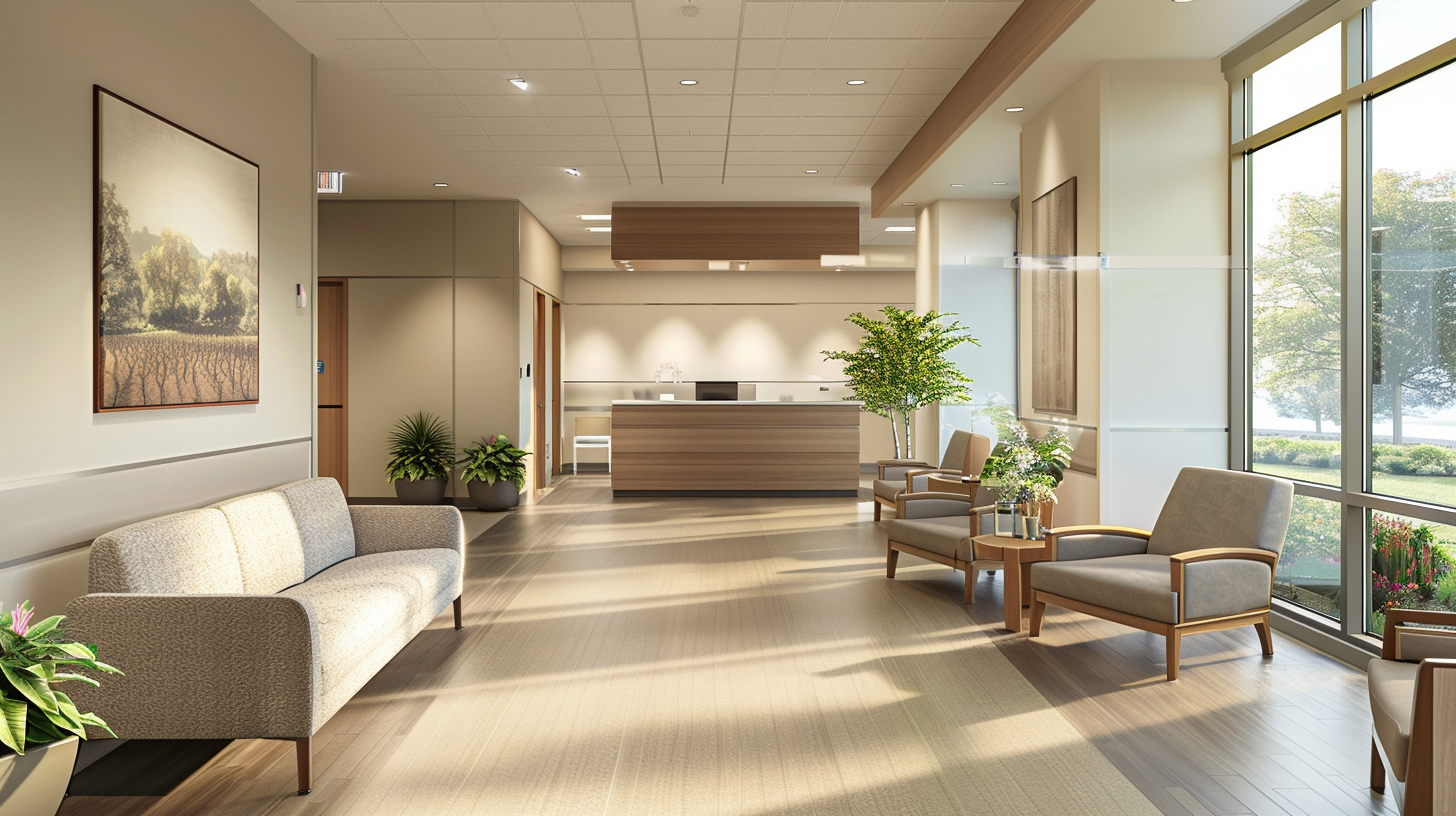
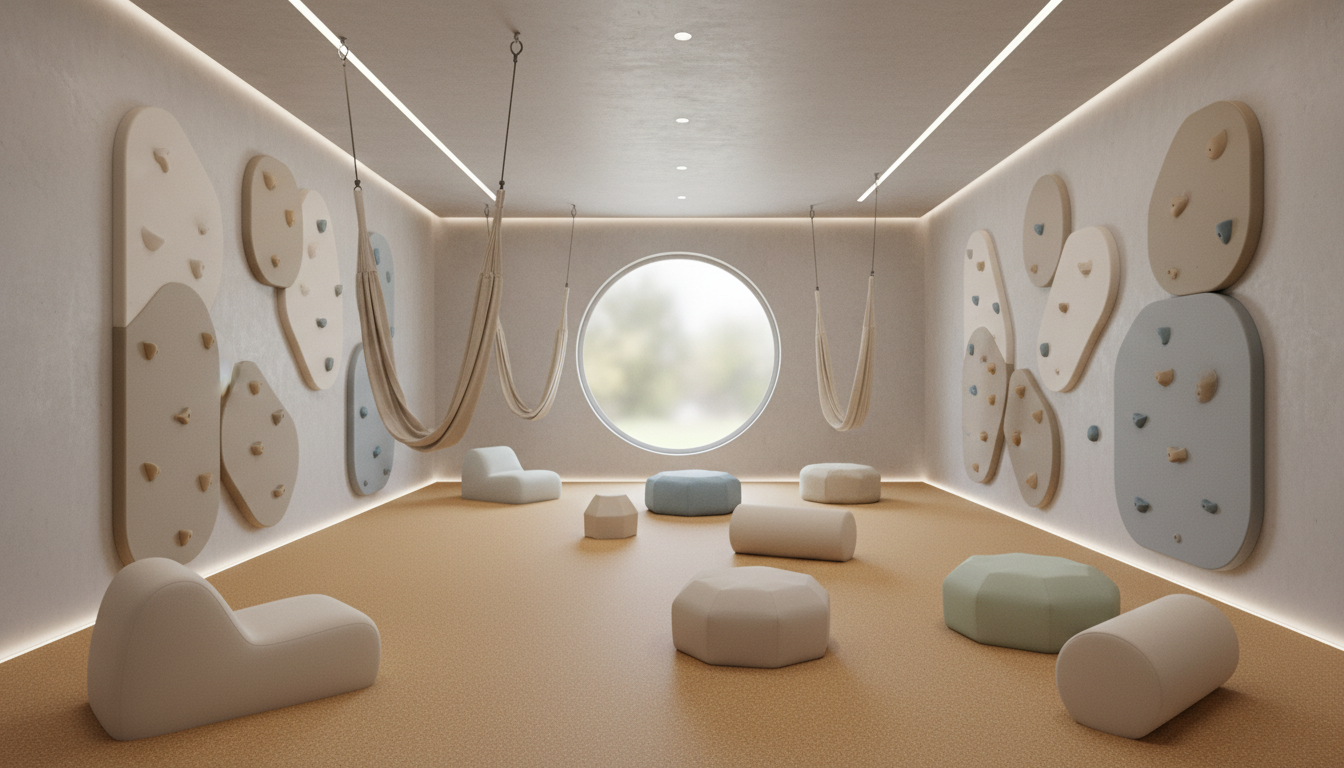
The gross motor gym is the heart of physical regulation. Here, children engage in “heavy work”—jumping, swinging, and climbing—to satisfy their proprioceptive needs. This area should be bright (4000K) and energetic. However, it must be strategically located away from the quiet therapy wings. High-density rubber flooring is essential here to absorb the impact of jumps and falls, protecting joints and reducing the sound of running feet.
Individual Therapy Rooms: The Focused Core
In contrast, 1-on-1 therapy rooms should be minimalist. We recommend a neutral color palette—sage greens, soft blues, or warm greys. High-arousal colors like bright reds or oranges can overstimulate the nervous system and lead to increased irritability. These rooms should also feature observation windows with one-way glass, allowing parents and supervisors to witness progress without distracting the learner. This is a vital component of parent training, providing a transparent window into the therapeutic process.
Material Selection for Durability and Dignity
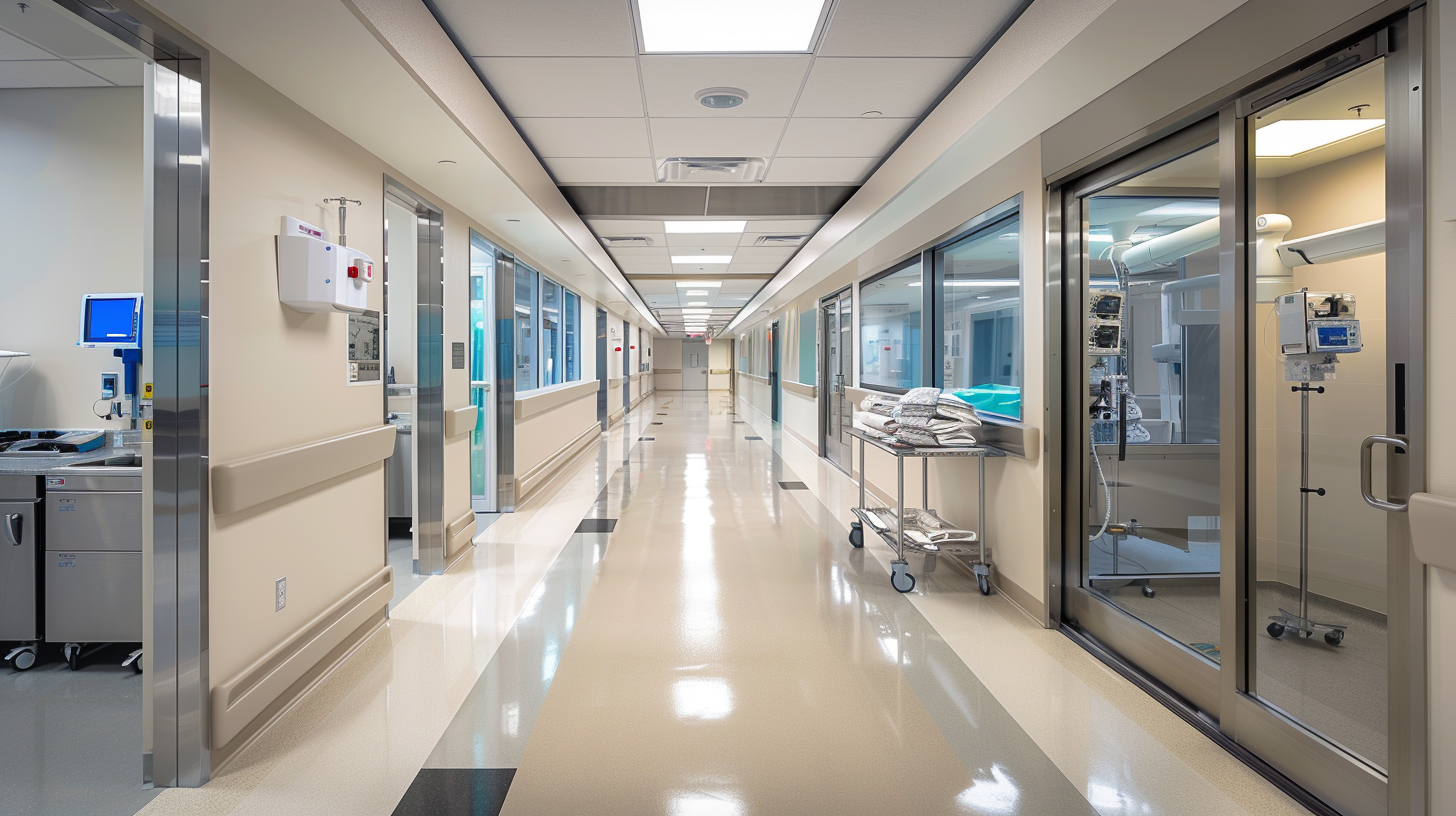
Facility managers are often concerned with the longevity of their investment. In an ABA clinic, materials face unique challenges: heavy impact, frequent cleaning with medical-grade disinfectants, and general wear and tear. However, durability does not have to mean “industrial.”
- Flooring: Luxury Vinyl Tile (LVT) with a high wear layer is the gold standard for hallways, while soft-backed carpet tiles are preferred for therapy rooms to provide acoustic dampening.
- Wall Finishes: Scuff-resistant paint and corner guards are non-negotiable. We often suggest “living walls” or nature-inspired murals in transitional spaces to provide a biophilic connection, which has been shown to reduce stress in clinical settings.
- Cabinetry: All storage should be “closed” storage. Visual clutter—such as rows of toys or colorful binders—can be distracting. By hiding these items behind tactile, soft-close cabinetry, we maintain a calm environment.
Standard Specifications for ABA Clinic Zones
| Zone Type | Lighting Spec | Acoustic Rating (STC) | Flooring Type |
|---|---|---|---|
| Therapy Room | Dimmable, 3000K | STC 50+ | Soft LVT or Carpet Tile |
| Gross Motor Gym | Bright, 4000K | STC 45 | Impact Rubber |
| Waiting Area | Natural/Warm | STC 40 | Commercial LVT |
Case Study: Chantilly VA Clinic
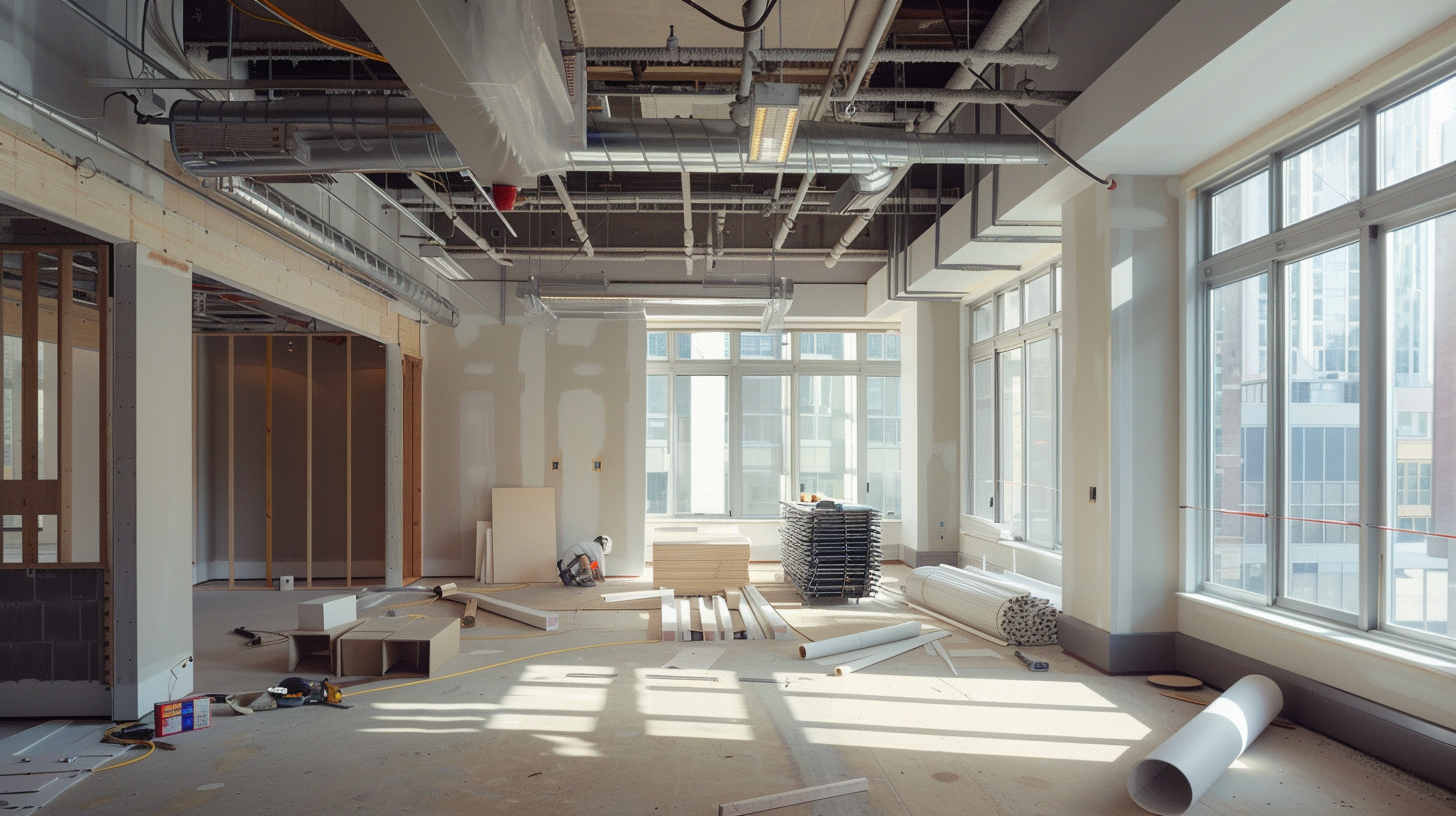
A prime example of these principles in action can be seen in our work on the ABA Clinic Design in Chantilly, VA. In this facility, the challenge was to convert a standard commercial office suite into a high-performance sensory environment.
By implementing a “hub-and-spoke” layout, we were able to centralize the gross motor gym, surrounding it with sound-insulated therapy rooms. We utilized tunable LED lighting throughout the “spokes” of the clinic, allowing BCBAs to customize the environment for each child. The result was a facility that felt less like a doctor’s office and more like a specialized learning academy, significantly increasing parent satisfaction and staff retention rates. The integration of specialized elopement hardware was done so seamlessly that the space retained a residential, “home-like” feel, which is crucial for generalizing skills learned in the clinic to the outside world.
The ROI of Compassionate Design
As a healthcare administrator, you are balancing the books while prioritizing care. Investing in high-quality ABA therapy clinic design provides a significant Return on Investment (ROI) through three main avenues:
- Reduced Incident Rates: Better lighting and acoustics lead to fewer meltdowns, reducing the risk of injury to both staff and patients.
- Staff Retention: Therapists are less likely to experience “burnout” in an environment that supports their own sensory needs and provides the tools for successful sessions.
- Brand Authority: A clinic that “looks and feels” premium attracts families who are looking for the best possible care for their children.
Frequently Asked Questions
Q: What is the best flooring for an ABA gym?
A: Impact-absorbing rubber flooring is standard to prevent injury during gross motor activities. It provides the necessary “give” for jumping while remaining easy to sanitize.
Q: How do we handle windows in therapy rooms?
A: Natural light is beneficial, but direct views of traffic or pedestrians can be distracting. We recommend top-down-bottom-up shades or frosted film on the lower half of windows to maintain privacy and focus while still allowing sky views.
Q: Is it necessary to have a separate de-escalation room?
A: While not always required by law, having a dedicated “cool-down” space that is free of furniture and hazards is a best practice for safety and allows the child to de-escalate with dignity.
Conclusion: Building a Brighter Future
Designing an ABA clinic is an act of service to a vulnerable and brilliant population. By prioritizing the sensory experience, ensuring safety through smart engineering, and choosing materials that stand the test of time, we create spaces that do more than just house therapy—they facilitate it. In 2026 and beyond, the most successful clinics will be those that recognize that the environment is a tool just as powerful as any clinical curriculum.
At DIG Interior Design, we have specialized experience in creating safe, therapeutic environments for ASD. We understand the delicate balance between clinical requirements and the human experience.
Ready to optimize your clinic’s impact?
Our team is here to help you navigate the complexities of neurodiverse facility management.