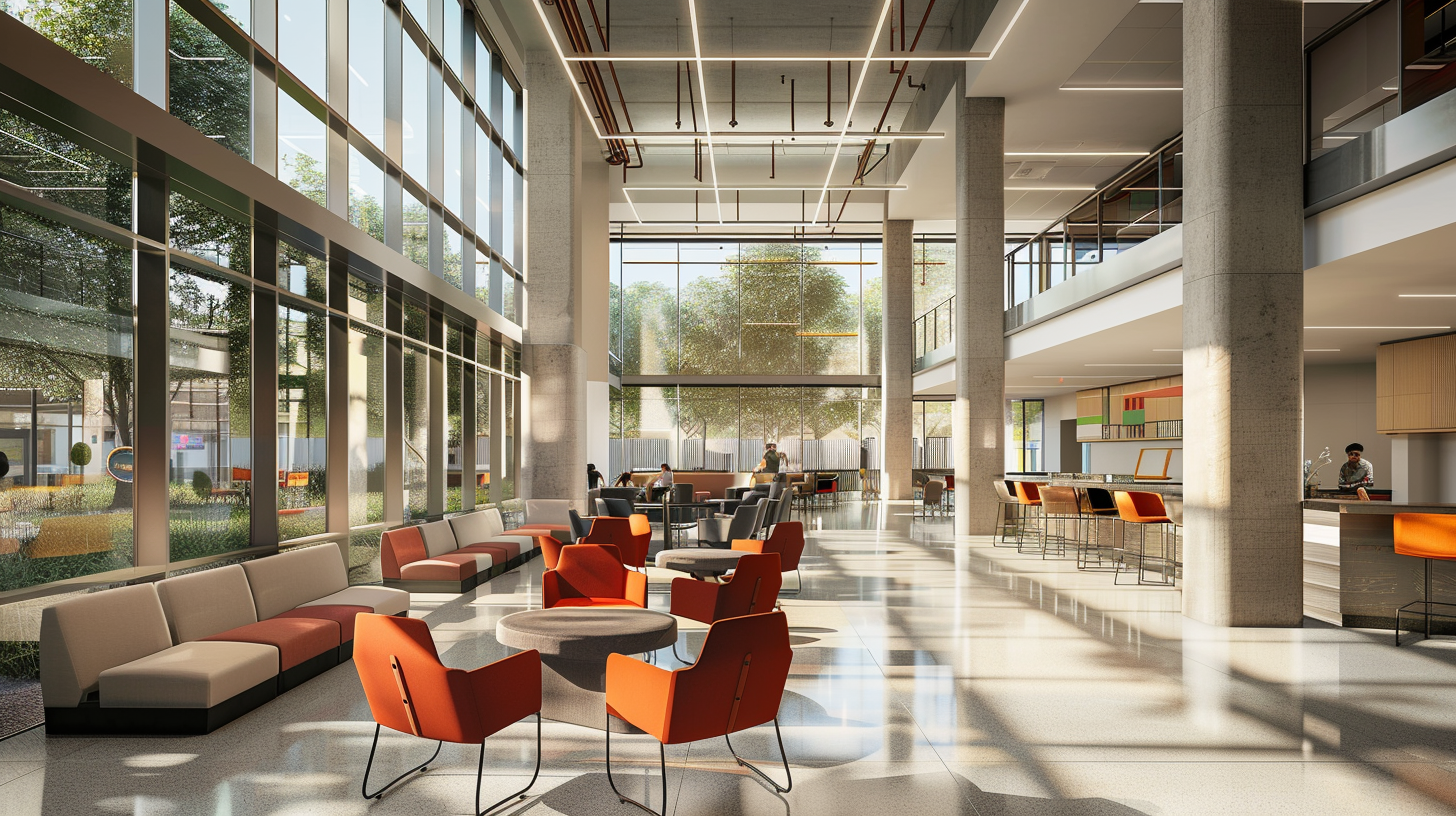

The concept of designing for health is an innovative approach that emphasizes the importance of the physical environment in promoting healing and wellness. Interior design plays a crucial and transformative role in shaping the patient experience in medical centers. This article explores the profound impact of interior design on medical centers, focusing on developments and trends in 2024.
The Importance of Interior Design in Medical Centers
The significance of interior design in healthcare settings extends far beyond aesthetics. It plays a pivotal role in patient recovery and wellbeing. A thoughtfully designed environment can reduce stress levels, increase patient satisfaction, and ultimately improve health outcomes. Elements such as lighting, color, texture, and layout all work together to create a conducive environment for recovery.
The Impact of Technology on Interior Design in Medical Centers
Technology has significantly influenced and reshaped healthcare interior design. From digital wayfinding to telehealth facilities, technology has the potential to improve patient experience, streamline operations, and increase accessibility. Integrating technology into healthcare design requires balancing clinical utility with human-centered spaces that remain welcoming and functional.
Case Studies: The Impact of Interior Design on Medical Centers
Real-world implementations across healthcare systems demonstrate how innovative design solutions contribute to improved patient outcomes. Case studies from 2024 highlight facilities that reduced patient anxiety through biophilic design elements, improved staff communication through strategic layout redesigns, and cut wayfinding complaints through integrated digital signage systems.
Future Trends in Interior Design for Medical Centers
The future of healthcare interior design points toward adaptive spaces — modular layouts that shift for pandemic surges, materials with embedded antimicrobial properties, and AI-assisted environmental controls that respond to individual patient needs. Sustainability is also becoming non-negotiable, with facilities increasingly designing toward net-zero operational footprints.
Frequently Asked Questions: Interior Design in Medical Centers
How does interior design affect patient outcomes in medical centers?
Research consistently shows that the physical environment influences recovery speed, stress levels, and patient satisfaction. Natural light, calming color palettes, reduced noise, and clear wayfinding all contribute to better health outcomes and shorter hospital stays.
What interior design trends are shaping medical facilities in 2024 and beyond?
Key trends include biophilic design, flexible room layouts that accommodate telehealth equipment, sensory-reduced environments for neurologically sensitive patients, and trauma-informed design that prioritizes feelings of safety and control.
What role does technology play in modern healthcare interior design?
Technology is deeply integrated into modern healthcare spaces — from digital wayfinding and smart lighting that adjusts to circadian rhythms, to modular furniture reconfigured for telehealth. The best healthcare designs treat technology as infrastructure built into the architecture, not added on top of it.
How is interior design for assisted living different from general medical centers?
Assisted living design prioritizes residential comfort, dignity, and independence alongside clinical function. This means residential-scale rooms, familiar material palettes, accessible bathrooms designed to feel like home, and communal spaces that encourage social interaction and reduce isolation.
What should healthcare organizations prioritize when hiring an interior design firm?
Look for firms with direct healthcare or assisted living portfolio experience, familiarity with ADA and infection control requirements, and a design process that includes clinical staff and patient input. The best outcomes come from designers who treat healthcare spaces as functional tools, not just aesthetic environments.