
Thanksgiving is often one of the few times a year the entire family is together. Beyond the turkey and traditions, it’s a time for connection and, often, for important family conversations about the future.
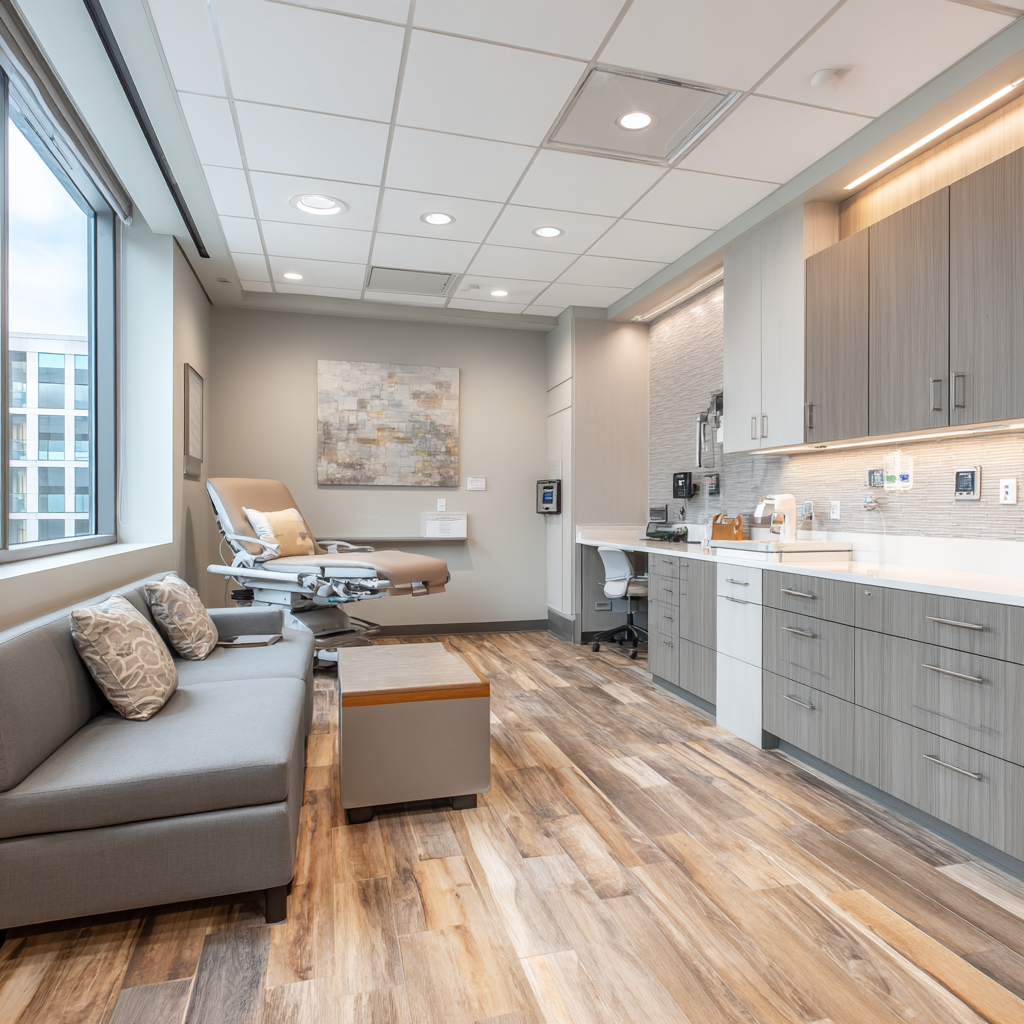
One of the most sensitive and crucial topics is how to support aging parents or loved ones. The conversation around senior living design isn’t just about safety; it’s about “Designing for Dignity.” It’s about creating spaces that are not only accessible but also beautiful, comfortable, and promote independence.
Approaching this topic can be challenging. Here’s a guide to discussing the importance of thoughtful senior living design with your family this holiday.
What Is “Designing for Dignity”?
For years, “senior living” meant sterile, hospital-like environments. “Designing for Dignity” is the philosophy that safety and style are not mutually exclusive.
It’s an approach that blends accessibility needs seamlessly into a sophisticated, warm, and personal home environment. It means creating a space where a person can “age-in-place” gracefully, surrounded by beauty, without sacrificing function.
How to Frame the Conversation
Instead of focusing on “problems” or “limitations,” frame the discussion around “upgrades” and “comfort.”
- Instead of: “The bathroom is dangerous.”
- Try: “What if we updated the bathroom to feel more like a spa? We could put in a beautiful walk-in shower with a built-in bench and a gorgeous, easy-to-use faucet.”
Talking Point 1: The Beauty of Accessibility
Accessibility doesn’t have to be ugly.
- Zero-Threshold Showers: These are a high-end, luxury feature in any home. They eliminate the trip hazard of a tub or shower curb and create a seamless, open look.
- Elegant Grab Bars: Today’s grab bars come in beautiful finishes like matte black, champagne bronze, and polished nickel, matching the rest of the bathroom hardware.
- Wider Doorways: This is a simple change that makes a home feel more open and gracious, while also allowing for walkers or wheelchairs if ever needed.
Talking Point 2: The Importance of Comfort & Lighting
As we age, our comfort and vision needs change.
- Comfortable Furniture: Discuss replacing a low, soft sofa with a stylish, slightly firmer, and higher chair that is easier to get in and out of.
- Layered Lighting: Good lighting is the most important safety feature. Discuss adding smart, layered lighting (lamps, under-cabinet, and sconces) to eliminate dark corners and reduce fall risks.
Talking Point 3: Promoting Independence, Not Dependence
The goal of thoughtful senior living design is to empower independence.
- Smart Home Tech: Voice-activated lighting, thermostats, and “smart” blinds can be incredibly empowering for someone with limited mobility.
- Thoughtful Kitchens: Features like pull-out shelving, lever-handled faucets, and induction cooktops (which don’t get hot to the touch) can make a kitchen safer and more usable for longer.
This Thanksgiving, if the topic of future planning arises, remember to lead with empathy. The goal isn’t to create a “facility” but to plan a beautiful, functional, and dignified home that supports a changing lifestyle.
The DIG Interiors team specializes in “Designing for Dignity.” We believe in creating sophisticated senior living design solutions that are safe, comfortable, and beautiful. Contact us to learn how we can help your family.