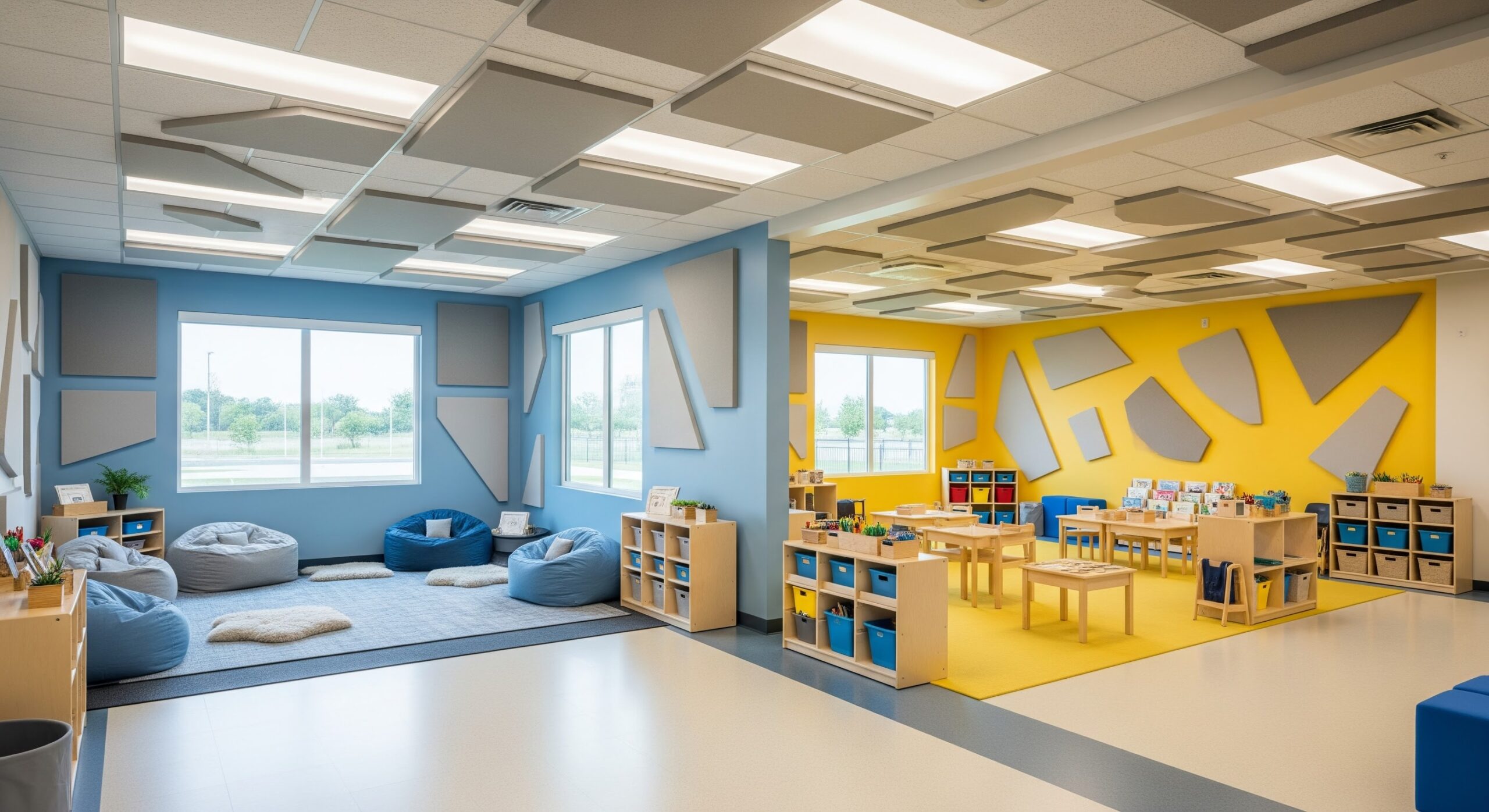

In the conversation about health and wellness, we often focus on diet, exercise, and medical care. However, one of the most significant factors influencing our daily health is one we often overlook: the air we breathe indoors. With most people spending up to 90% of their time inside, the quality of that air is paramount. Poor indoor air quality design in commercial buildings can lead to a host of health issues, from headaches and allergies to more serious respiratory conditions, as well as a noticeable decline in cognitive function and productivity.
Designing for health means prioritizing clean indoor air from the very beginning of the interior design process. It’s a proactive approach that moves beyond simply meeting minimum building codes to creating environments that actively support the well-being and peak performance of every employee. For modern businesses, investing in indoor air quality (IAQ) is a direct investment in their most valuable asset: their people.
The Importance of IAQ for Employee Health and Cognitive Function
Indoor air can be two to five times more polluted than outdoor air. This pollution comes from a variety of sources, including off-gassing from building materials and furniture, cleaning products, and inadequate ventilation that traps pollutants inside. The consequences of poor IAQ are well-documented:
- Health Impacts: Poor IAQ is linked to “Sick Building Syndrome,” with symptoms including headaches, dizziness, fatigue, and irritation of the eyes, nose, and throat. It can also exacerbate asthma and allergies.
- Cognitive Decline: Groundbreaking studies from Harvard University’s Healthy Buildings Program have shown a direct link between poor air quality (specifically higher levels of CO2 and VOCs) and significant impairments in cognitive function. Employees in well-ventilated, low-pollutant environments perform substantially better on tests of strategy, information usage, and crisis response.
- Productivity Loss: When employees are feeling unwell or their cognitive abilities are diminished, productivity naturally suffers. Improved IAQ has been shown to reduce absenteeism and increase overall work output.
Key Design Strategies for Better Indoor Air Quality
Improving IAQ is not about placing a few air purifiers around the office. It’s about a holistic design strategy that addresses the root causes of indoor air pollution.
1. Specify Low-VOC and Non-Toxic Materials
This is the single most important step in preventing indoor air pollution at its source. Volatile organic compounds (VOCs) are harmful chemicals that are emitted as gases from thousands of common products.
- Paints, Coatings, and Adhesives: Always choose products that are labeled as “Low-VOC” or “Zero-VOC.”
- Flooring and Carpets: Many carpets, vinyl flooring, and the adhesives used to install them are major sources of VOCs like formaldehyde. Look for products with certifications like FloorScore® or CRI Green Label Plus.
- Furniture and Finishes: Engineered wood products (like particleboard) used in much office furniture often contain urea-formaldehyde resins. Select furniture made from solid wood, or look for products certified by programs like GREENGUARD, which tests for chemical emissions.
2. Ensure Proper Ventilation and Filtration Design
A well-designed HVAC (Heating, Ventilation, and Air Conditioning) system is crucial for diluting and removing indoor pollutants.
- Increase Fresh Air Intake: The HVAC system should be designed to bring in an optimal amount of fresh, filtered outdoor air to mix with conditioned indoor air, diluting the concentration of any pollutants generated inside.
- High-Efficiency Filtration: Use high-rated MERV (Minimum Efficiency Reporting Value) filters in the HVAC system. MERV 13 or higher filters are recommended as they are effective at capturing smaller airborne particles, including viruses, bacteria, and fine particulate matter.
- Maintenance: The design should allow for easy access to HVAC components to ensure regular maintenance and filter changes, which is critical for the system to perform as intended.
3. Incorporate Air-Purifying Plants (Biophilia)
Beyond their stress-reducing and aesthetic benefits, many common houseplants are natural air purifiers. NASA’s Clean Air Study identified a number of plants that are effective at removing common indoor toxins like benzene, formaldehyde, and trichloroethylene from the air.
- Effective Plant Species: Some of the best air-purifying plants for an office environment include Snake Plants, Spider Plants, Peace Lilies, and Pothos.
- Strategic Placement: Integrating plants throughout the office, including in living walls, can significantly contribute to cleaner air and a healthier psychological environment.
4. Control Moisture and Humidity
Excess moisture can lead to the growth of mold and mildew, which release spores into the air that can cause allergic reactions and respiratory problems. The building’s design should include measures to control humidity levels and prevent moisture intrusion, ensuring a healthy indoor ecosystem.
Creating healthy indoor environments is a cornerstone of responsible design. This focus on IAQ is a vital component of the broader principles discussed in our guide to Sustainable Interior Design: A Guide to Eco-Friendly Commercial Spaces in NYC. At DIG Interior Design, our services are built on the belief that a well-designed space must support the health of its occupants as much as it supports the goals of the business.
A beautiful office is only half the story. A healthy office is the future. Contact DIG Interior Design today to learn how our focus on indoor air quality can help you create not just a beautiful, but a truly healthy and high-performing indoor environment for your team.