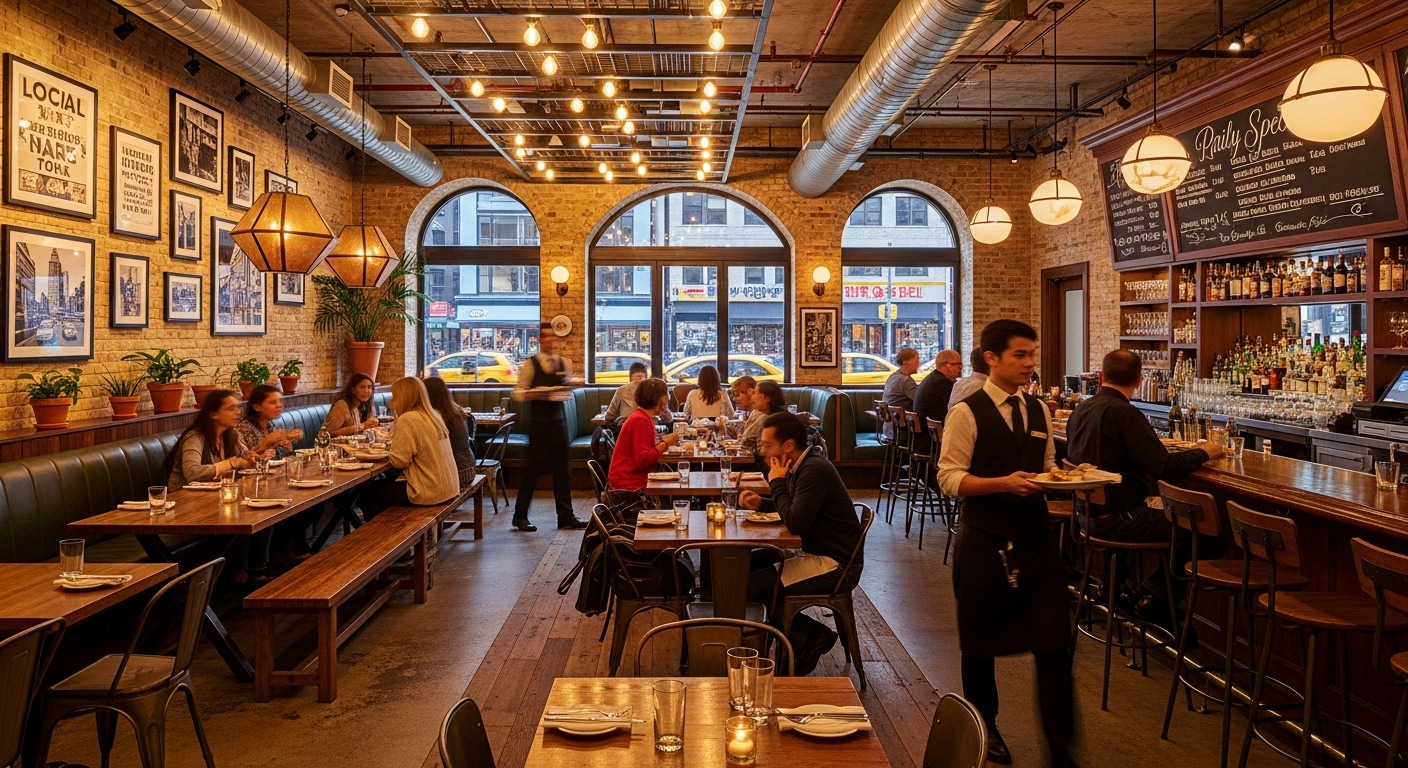
In the fiercely competitive culinary landscape of New York City, a restaurant’s success hinges on much more than just its menu. It’s about crafting a total sensory experience, and that experience begins the moment a guest walks through the door. Exceptional restaurant interior design in NYC is a powerful form of storytelling; it sets the stage, creates a mood, and transforms a simple meal into a memorable event. From the flow of the floor plan to the glow of the lighting, every design element works in concert to define the restaurant’s brand and captivate its clientele.
A well-designed restaurant doesn’t just look good—it functions flawlessly. It’s a strategic blend of art and science that enhances ambiance, optimizes operational efficiency, and ultimately drives profitability. In a city with endless dining options, unforgettable design is what makes a restaurant a destination.
How Interior Design Shapes the Entire Dining Experience
The interior design of a restaurant is the physical manifestation of its concept and brand. It’s a silent host that communicates with guests on a subconscious level, influencing their perceptions, emotions, and even their spending habits.
- First Impressions: The design creates an immediate impression of the restaurant’s quality, price point, and personality before the first dish is even served.
- Ambiance and Mood: Lighting, color, materials, and acoustics all combine to create a specific ambiance—be it romantic and intimate, vibrant and energetic, or chic and sophisticated. This mood is central to the guest experience.
- Customer Flow and Comfort: A strategic layout ensures that guests can move comfortably, that tables have an appropriate level of privacy, and that the overall experience feels seamless and relaxed.
The Key Elements of Successful Restaurant Design
Creating a successful restaurant interior involves a delicate balance of aesthetics, psychology, and operational logistics. Here are the essential elements that must be mastered.
1. Cohesive Branding and Concept
The design must be a direct reflection of the restaurant’s brand identity and culinary concept. A rustic Italian trattoria will have a vastly different design language than a sleek, modern sushi bar. The design should tell the story of the food, the chef’s vision, and the desired customer experience. This includes everything from the logo and menu design to the furniture, tableware, and staff uniforms.
2. Layout for Service Efficiency and Guest Experience
A restaurant’s floor plan is its operational backbone. The layout must be optimized for both the front-of-house (guest) and back-of-house (staff) experience.
- Guest Flow: The layout should guide guests logically from the entrance to the host stand, bar, and dining areas, avoiding bottlenecks and awkward pathways.
- Server Paths: Server routes from the kitchen and bar to the tables must be as short and unobstructed as possible to ensure fast, efficient service.
- Table Mix and Spacing: A variety of table sizes (two-tops, four-tops, communal tables) accommodates different party sizes. Proper spacing is crucial for guest comfort, acoustic control, and accessibility.
3. Strategic Lighting
Lighting is arguably the most powerful tool for creating ambiance. A sophisticated lighting plan uses multiple layers to create depth, drama, and intimacy.
- Ambient Lighting: The overall level of light that sets the base mood.
- Task Lighting: Focused light for functional areas like tables, the bar, and host stand, ensuring guests can read menus and see their food.
- Accent Lighting: Used to highlight architectural features, artwork, or decorative elements, adding visual interest and sophistication.
4. Thoughtful Acoustics
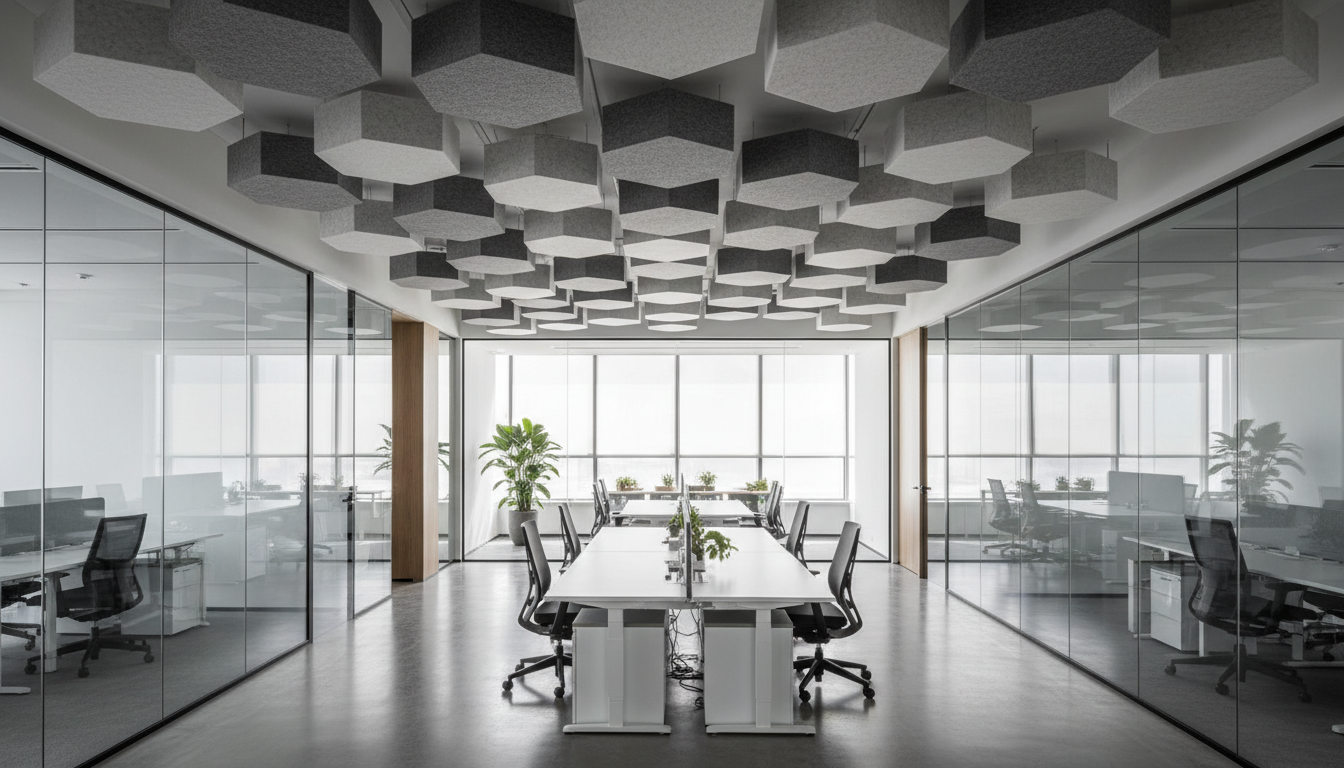
Acoustic design is often overlooked but is critical to guest comfort. A restaurant that is too loud can be frustrating and cut short a dining experience, while one that is too quiet can feel stuffy and lack energy. The goal is to create a pleasant “buzz.” This can be achieved through the use of sound-absorbing materials like upholstered furniture, acoustic wall panels disguised as art, drapery, and even plants.
Case Study in Success: The Tabernacle Steakhouse
At DIG Interior Design, we believe in creating spaces that are both beautiful and brand-defining. A premier example of our philosophy in action is our work on the Tabernacle Steakhouse.
Our mission was to create an immersive dining experience that felt both timeless and contemporary, reflecting the restaurant’s commitment to quality and tradition. We achieved this through a meticulous selection of rich materials like dark wood, supple leather, and brass accents. The lighting was carefully designed to be warm and intimate, with dramatic accent fixtures creating focal points throughout the space. The layout was planned for both grand effect and intimate moments, with a mix of cozy booths and open seating. The result is a space that feels sophisticated and transportive, perfectly aligning the physical environment with the high-end culinary offerings. The Tabernacle Steakhouse stands as a testament to how thoughtful design can create a powerful brand identity and an unforgettable guest experience.
Learn more about our firm and our passion for creating iconic spaces. Our design services are tailored to the unique demands of the hospitality industry.
In the competitive world of NYC dining, exceptional design is not an option—it’s essential. Position your restaurant for success by partnering with DIG Interior Design, the go-to firm for owners looking to make a lasting impact.