The interior design of a therapy center does more than just set a professional tone—it is an active participant in the therapeutic process. For individuals seeking mental and emotional support, the environment itself can either be a barrier or a bridge to healing. A thoughtfully executed therapy center interior design fosters a sense of safety, trust, and calm, creating a sanctuary where clients feel comfortable enough to be vulnerable and open. This is a space where every design choice, from the color of the walls to the texture of a chair, matters deeply.
Unlike other commercial spaces, the primary goal of therapy center design is not to impress or energize, but to soothe and support. It is about crafting a non-clinical, welcoming environment that helps to destigmatize the act of seeking help and facilitates the crucial work of therapy.
The Unique Requirements of Therapeutic Spaces
Designing for mental and behavioral health requires a unique sensitivity to the emotional and psychological needs of clients. The space must feel safe above all else, which means addressing needs that are often subtle but profoundly impactful.
- Confidentiality and Privacy: The design must provide both actual and perceived privacy. This goes beyond the therapy room to include the waiting area and circulation paths.
- Sensory Considerations: Clients may be highly sensitive to their surroundings. The design should aim to create a balanced sensory experience, avoiding anything that is too jarring, loud, or chaotic.
- Flexibility and Control: Giving clients a sense of control over their environment, even in small ways, can be empowering. This could include offering a choice of seating or having adjustable lighting.
The Role of Design in Fostering Trust and Safety
A client’s first impression of a therapy center can set the stage for their entire therapeutic relationship. A well-designed space communicates professionalism, care, and respect, helping to build trust from the moment a client walks in. The environment should feel like a safe harbor—a place where they can let their guard down without fear of judgment. This is achieved through a careful combination of design elements that work together to create a cohesive, calming whole.
Key Design Topics for Therapeutic Environments
To create a truly supportive space, designers must focus on several key areas that directly impact a client’s emotional state.
Acoustic Privacy
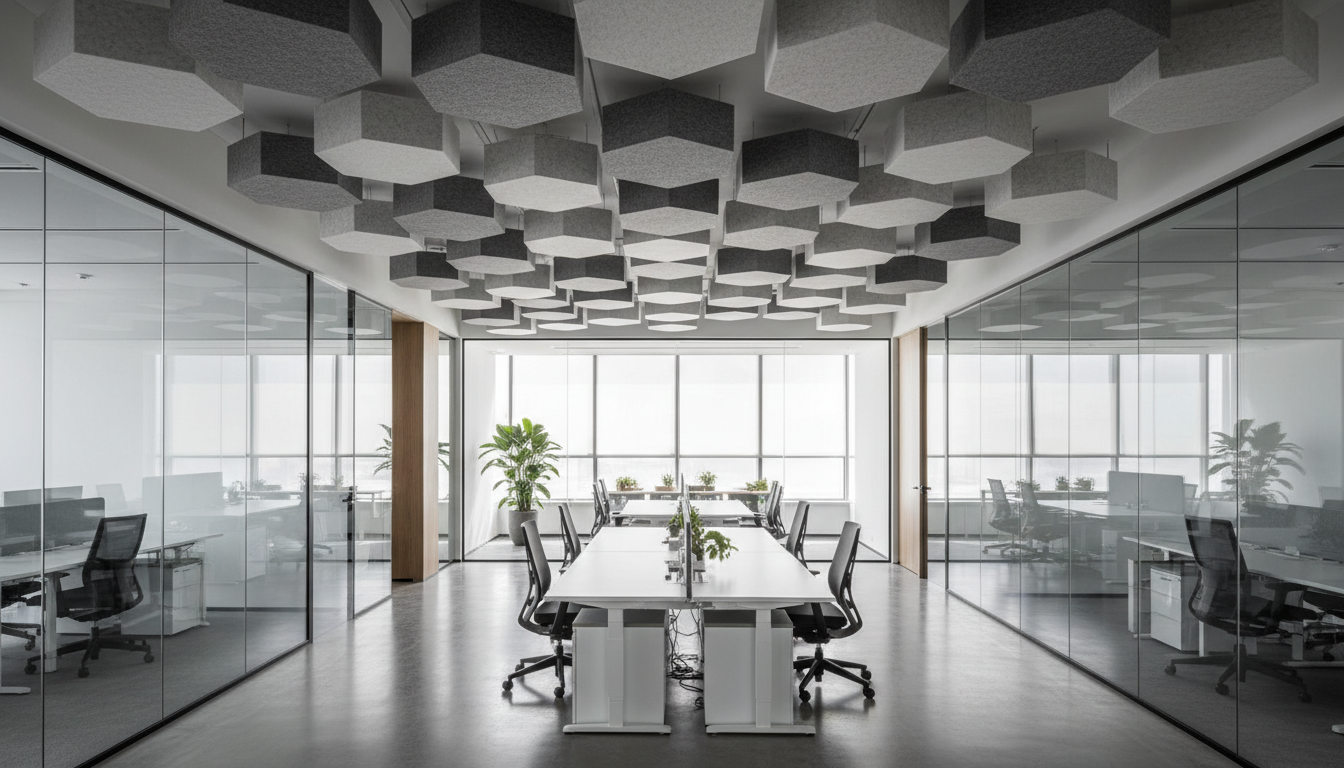
This is arguably the most critical element. Clients must be absolutely certain that their private conversations will not be overheard.
- Soundproofing: Walls between therapy rooms should have a high Sound Transmission Class (STC) rating. This may involve using double layers of drywall, acoustic insulation, and staggered-stud construction.
- Sound Masking: A sound masking system that emits a low-level, unobtrusive background sound can be installed in waiting areas and hallways to obscure conversational noise.
- Solid Core Doors: Doors should be solid core and have acoustic seals around the entire frame to prevent sound leakage.
Soft, Controllable Lighting
Harsh, direct overhead lighting can feel clinical and anxiety-inducing. A more gentle, layered approach is far more effective.
- Indirect Lighting: Use cove lighting, wall sconces, and floor lamps to create a soft, ambient glow.
- Dimmers: Installing dimmers in therapy rooms allows the lighting to be adjusted to a comfortable level for each client.
- Natural Light: Maximize natural light wherever possible, but ensure there are options (like sheer blinds) to control its intensity and maintain privacy.
Comfortable, Grounding Textures
The sense of touch can be very grounding. Incorporating a variety of soft and natural textures can enhance comfort and reduce stress.
- Furnishings: Choose seating with soft but supportive upholstery in fabrics like velvet, chenille, or natural linen.
- Accessories: Add soft area rugs, plush pillows, and cozy throw blankets that clients can use if they feel chilly or need tactile comfort.
- Natural Materials: The use of wood, stone, and plants can add warmth and a connection to nature, which is inherently calming.
Creating a Non-Clinical Feel
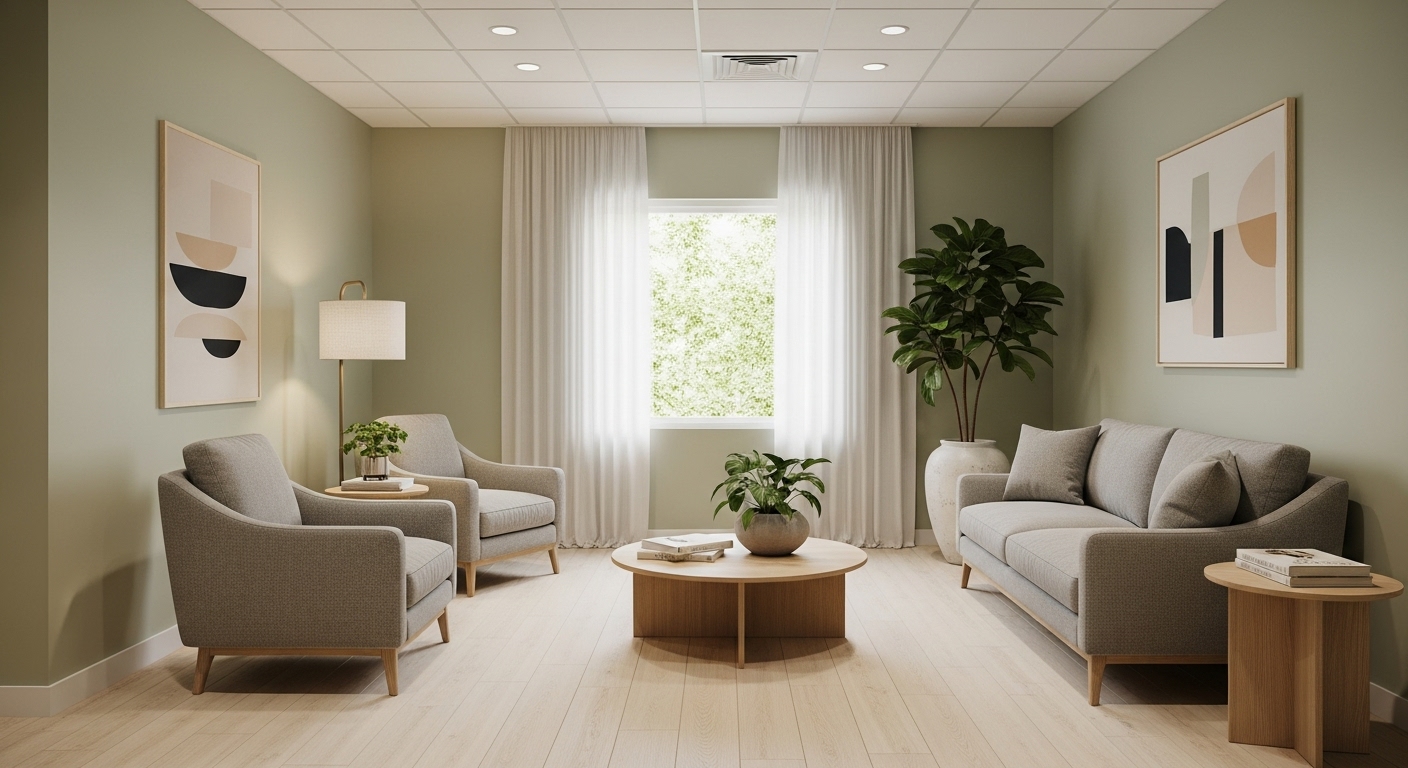
The space should feel more like a comfortable, well-designed home than a medical office.
- Residential Furniture: Avoid sterile, institutional furniture. Opt for comfortable sofas, armchairs, and end tables that you would find in a living room.
- Soothing Art and Decor: Select artwork that is abstract or depicts serene nature scenes. Avoid anything that is too busy, emotionally charged, or could be a potential trigger.
- Welcoming Reception: The waiting area should be inviting, with comfortable seating, warm lighting, and perhaps a self-serve station for tea or water.
The principles of creating safe and effective therapeutic spaces are closely aligned with the broader best practices outlined in our The Ultimate Guide to Healthcare Facility Interior Design. At DIG Interior Design, we apply our specialized expertise in healthcare to create environments that support all facets of well-being, including mental and emotional health. Our full range of services is designed to meet the unique needs of sensitive projects like these.
Your environment should be your partner in the healing process. Contact DIG Interior Design to leverage our specialized expertise in designing effective therapeutic environments that foster healing, trust, and hope.