Senior living communities face a design challenge that is both deeply personal and intensely competitive. The decision to move into a senior community is among the most significant a family makes — and the physical environment plays a substantial role in how prospective residents and their families evaluate options. Communities that understand what people are actually looking for at a design level perform better in tours, conversions, and retention.
Dignity and residential character
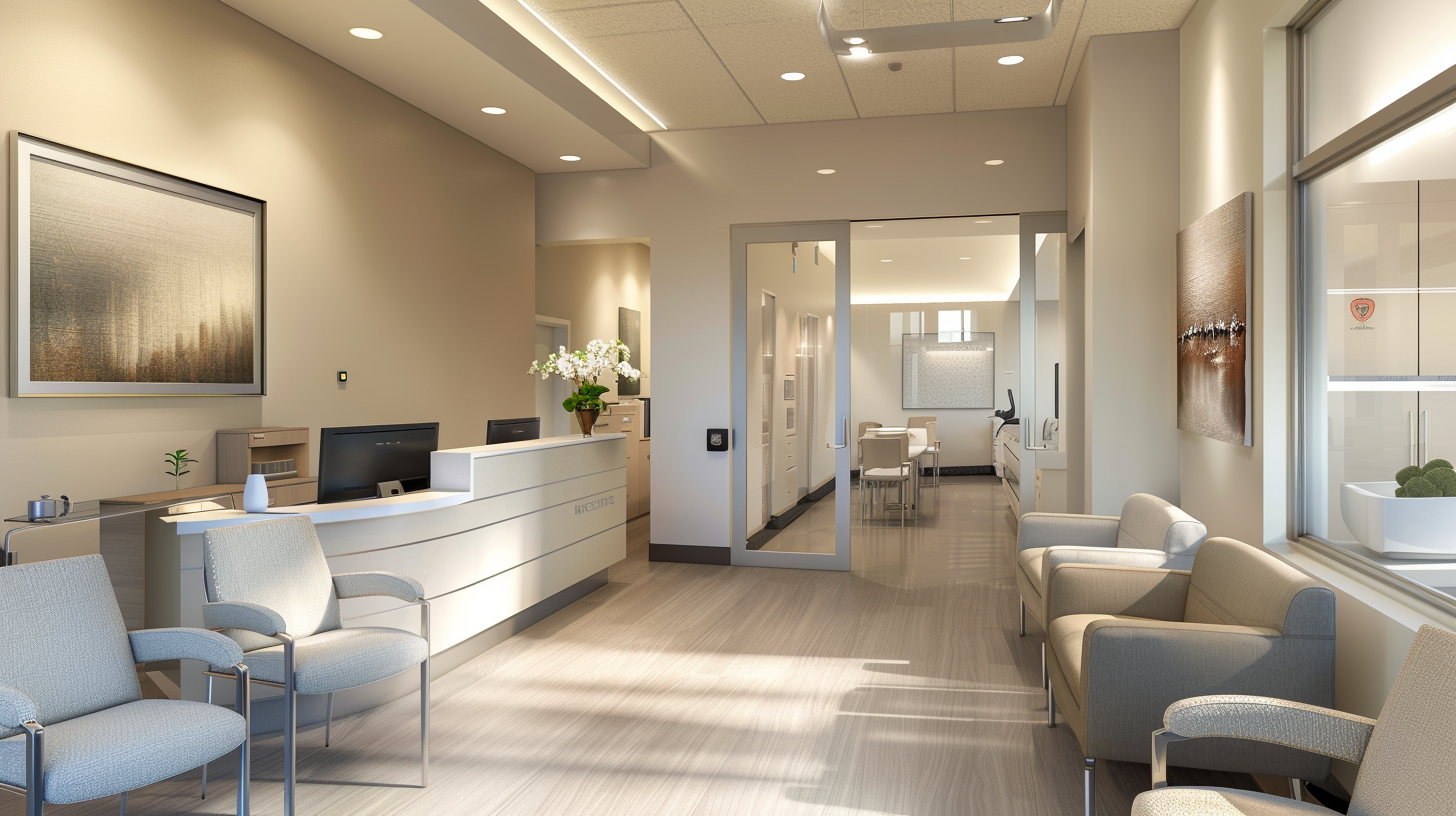
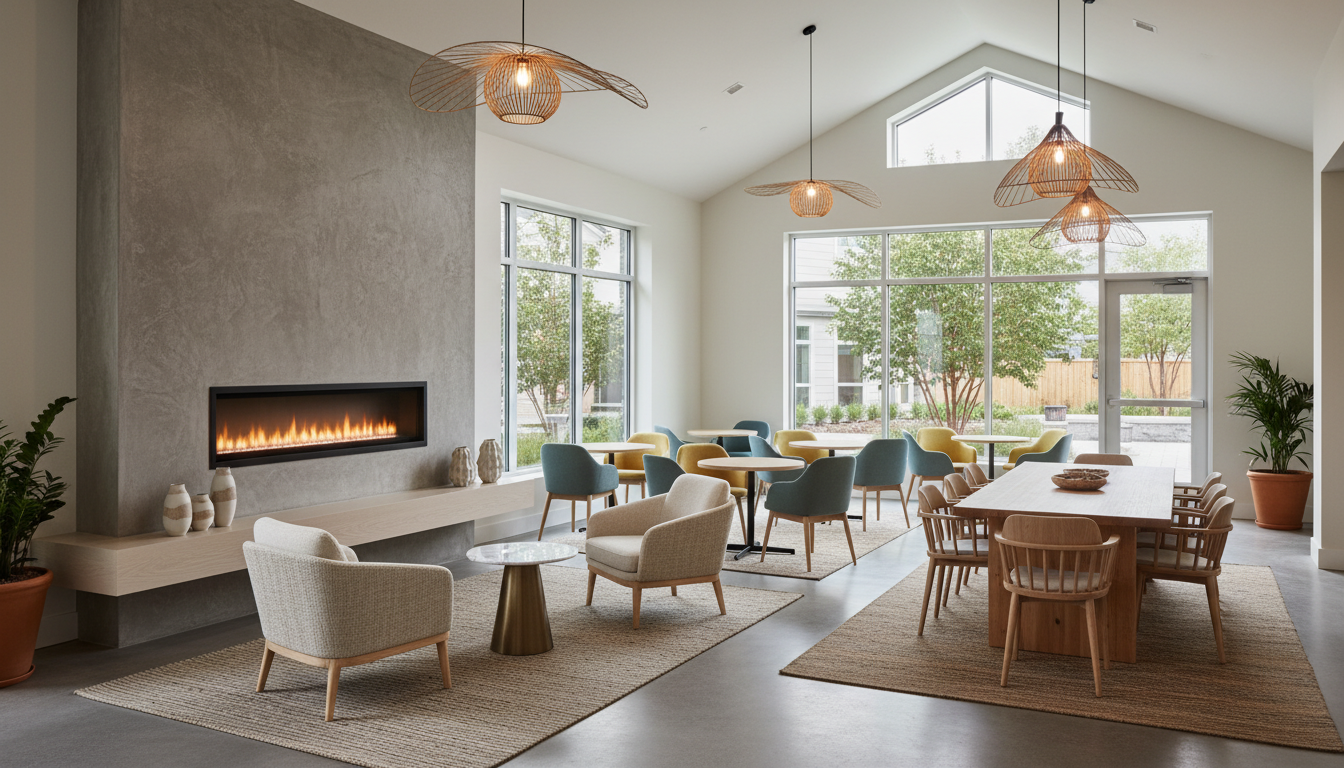
The most consistent feedback from prospective residents and families is that they do not want the space to look like a medical facility. They want it to look like a home — a well-designed, comfortable, elegant home where the design communicates dignity and quality of life rather than institutional care. This doesn’t mean ignoring the functional requirements of the care environment. It means integrating those requirements into a design vocabulary that reads residential. Residential-scale furniture, residential lighting, residential material palettes, and art programs that reflect real taste rather than generic contract selections all contribute to this perception.
Community spaces that people actually use
Unused common areas are a design failure. Senior living communities with well-utilized community spaces share a common characteristic: the spaces are designed for specific activities that residents actually want to do, at an appropriate scale for the number of residents likely to participate. A grand dining room that seats 200 at round tables of 8 is intimidating for a resident who wants to eat with two friends. A variety of dining environments — intimate seating areas, a cafe-style space, a private dining room for family visits — serves the actual usage pattern better than a single large space.
Outdoor access and biophilic design
Access to outdoor spaces — secured courtyards, walking paths, garden areas — is consistently rated as a high priority by both residents and families. Natural light, plants, water features, and views to green space address the biophilic needs that are documented to affect wellbeing in senior populations. Outdoor spaces that are designed for actual use (appropriate seating, shade, accessible surfaces) rather than just photographed for marketing materials perform differently in resident satisfaction surveys.
Memory care design considerations
Memory care environments have specialized design requirements: intuitive wayfinding that supports orientation without relying on signage that residents may not be able to read; secure outdoor spaces that allow freedom of movement without elopement risk; residential character at a smaller, more navigable scale; color and material choices that support contrast and visibility for aging eyes; and private room configurations that provide personalization options that help residents maintain identity and connection to their previous lives.
DIG Interior Design Solutions designs senior living communities that families choose and residents thrive in. Let’s talk about your project.