
Biophilic design — the intentional integration of natural elements, natural light, and natural materials into the built environment — has moved from design trend to evidence-backed investment category. The research connecting nature-connected spaces to reduced stress, improved cognitive function, and higher productivity is substantial enough that progressive employers are treating biophilic design as a wellness and retention investment, not a decoration decision.
What the research shows
Studies on office environments with biophilic features consistently find: reduced cortisol levels (a stress marker) in employees working in nature-connected environments; improved attention and cognitive performance on tasks requiring sustained concentration; faster recovery from mentally demanding work; and higher self-reported wellbeing scores. One widely-cited study found a 15% improvement in productivity and a 6% increase in creativity scores in offices with significant natural elements compared to lean, conventional offices. These are not marginal effects.
The elements of biophilic commercial design
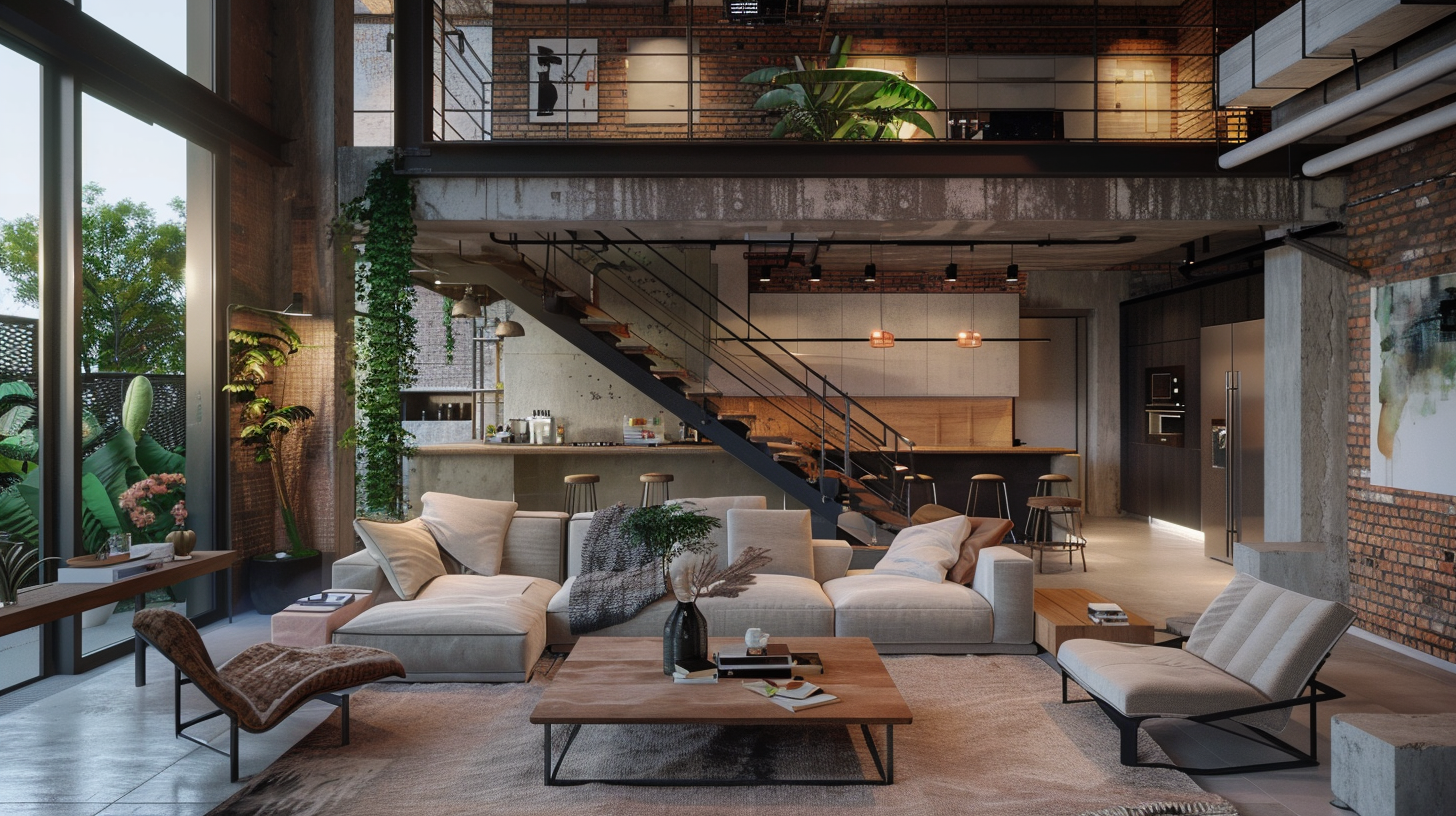
Natural light: The foundational element. Maximizing access to daylight through building orientation, window placement, and interior partitioning strategies that allow light to penetrate deeper into floor plates. Living plant systems: From individual planters to full living walls and interior landscaping. The visual and air quality effects are both relevant. Natural materials: Wood, stone, cork, wool, leather — materials with texture and natural variation that human visual processing responds to differently than uniform synthetic surfaces. Water features: Flowing water provides both visual interest and acoustic masking. Interior water features in lobbies and common areas are increasingly standard in premium commercial environments. Views to nature: Where window views include trees, sky, or landscape rather than building facades, occupants benefit from periodic visual recovery from screen work.
Implementation considerations
Living plant systems require maintenance programs — plants that are not maintained become a negative rather than a positive. The maintenance commitment should be sized to the scope of the installation. Natural materials in high-traffic commercial environments require appropriate specification for durability and cleanability. Wood flooring in a lobby, for example, needs a finish and profile suited to the foot traffic and cleaning protocols. The design decision and the operational reality need to be aligned from the start.
DIG Interior Design Solutions integrates biophilic principles across commercial, healthcare, and workplace projects in New York and New Jersey. Connect with our team.