Professional services firms — law firms, financial advisory practices, management consulting firms, and similar organizations — have interior design requirements that differ from general commercial office design in important ways. The physical environment must communicate competence, stability, and discretion to clients while supporting the intensive knowledge work their professionals perform. These are not conflicting requirements, but they must be addressed deliberately.
Client-facing vs. work environments
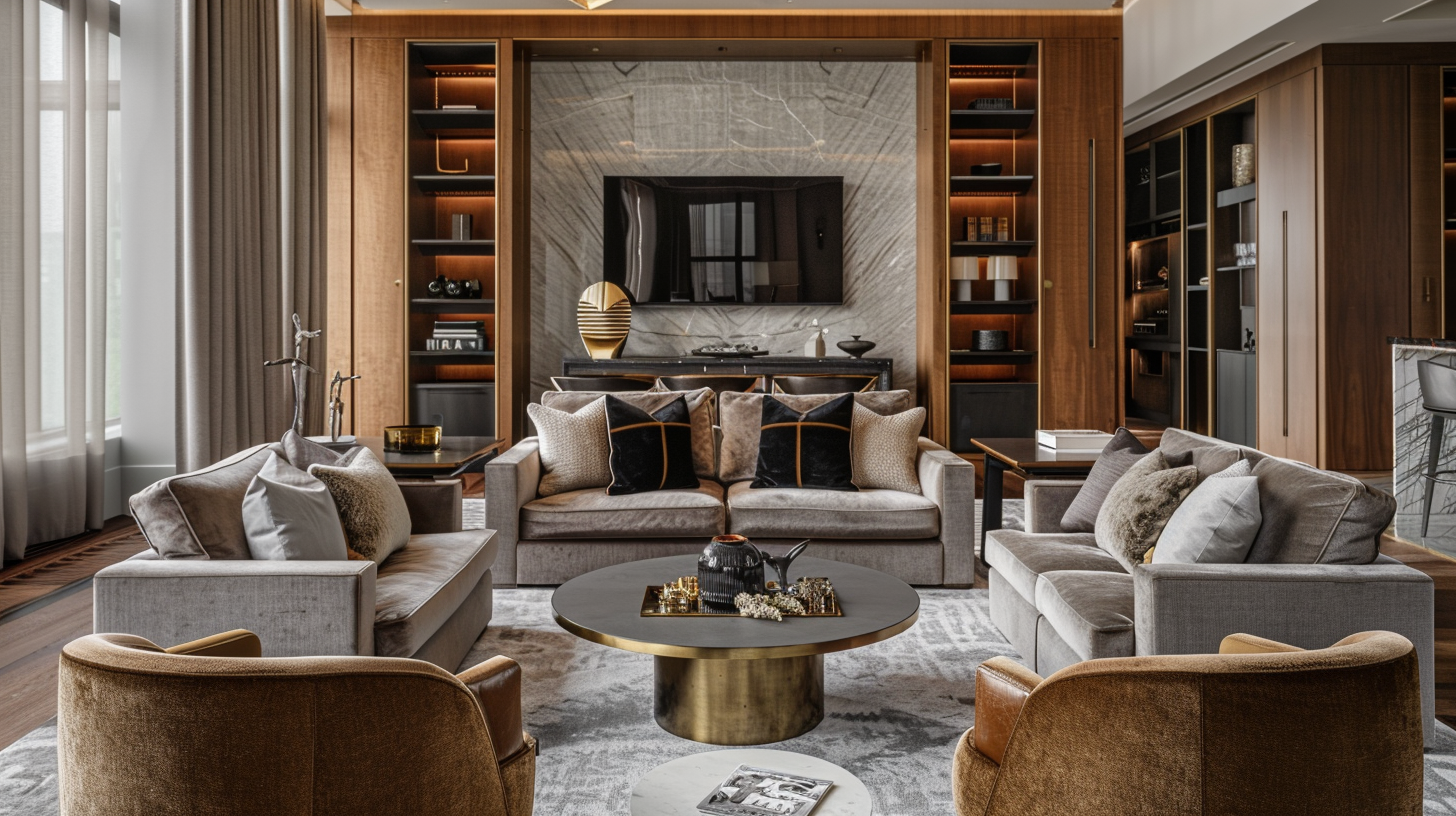
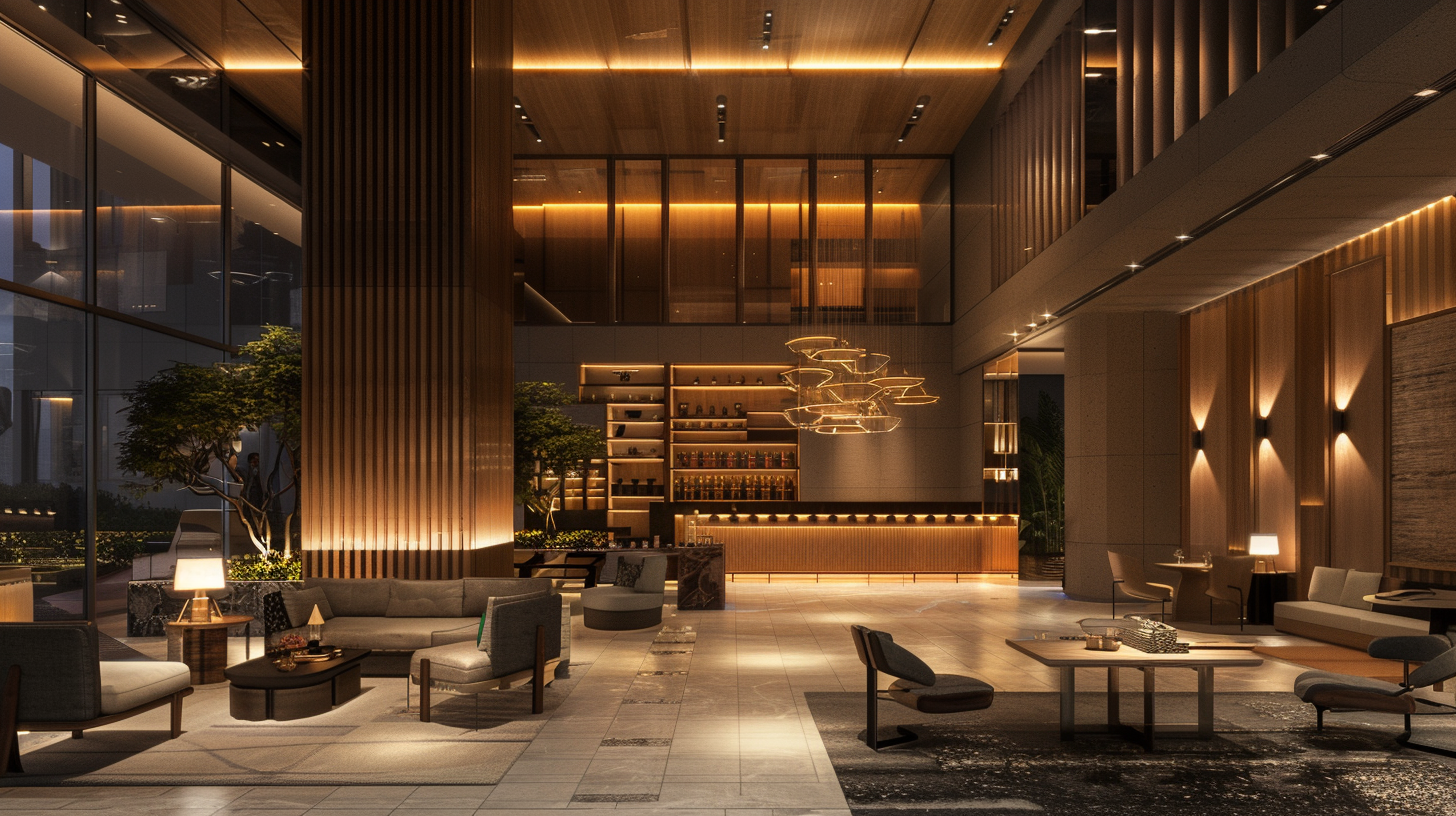
Professional services offices typically have two distinct audience requirements: client-facing spaces (reception, conference rooms, private offices used for client meetings) and work environments (open work areas, internal meeting rooms, support functions). These two zones often benefit from different design treatments. Client-facing spaces should communicate quality, stability, and confidence through material choices, lighting quality, and spatial proportion. Work environments should optimize for the productivity requirements of the professionals who spend most of their day in them.
Acoustic privacy as a compliance requirement
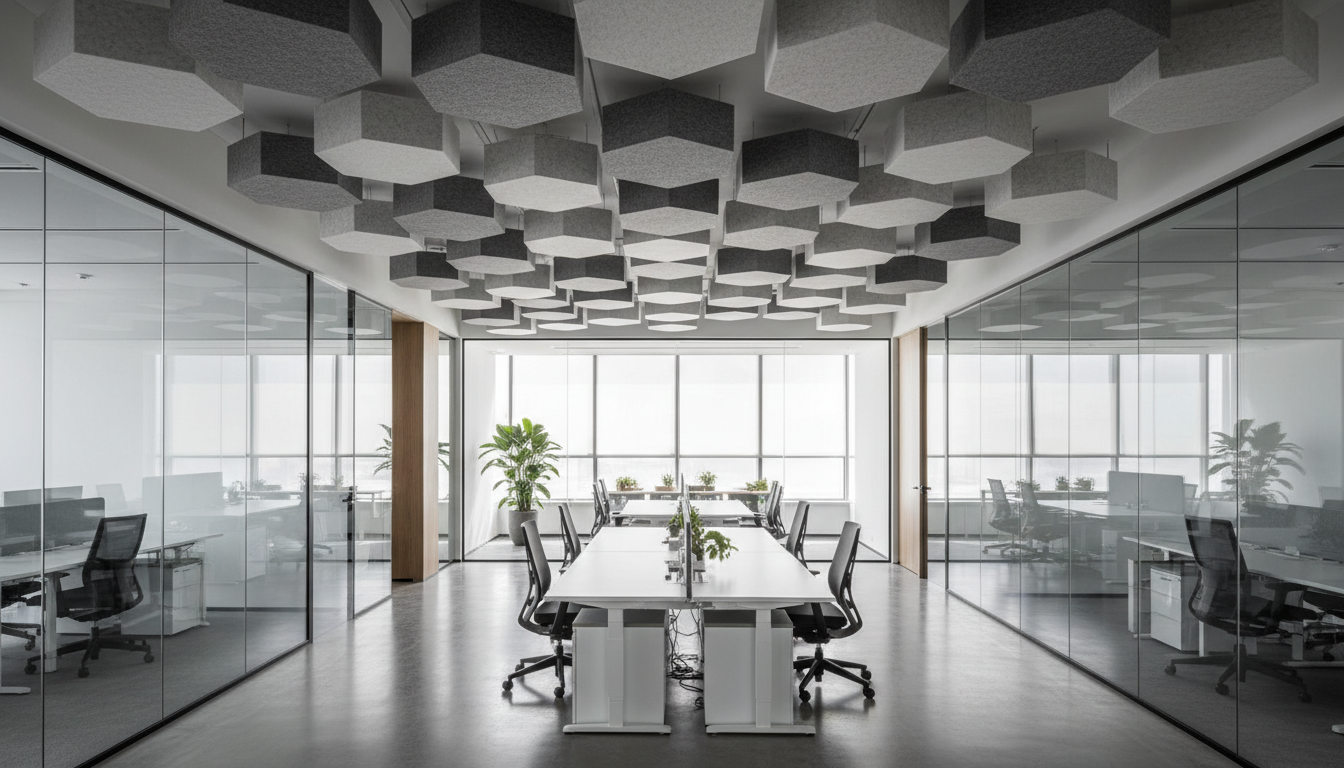
For law firms and financial advisory practices, acoustic privacy is not a preference — it is a professional responsibility. Client conversations contain confidential information. Meeting rooms must be acoustically separated from adjacent spaces in ways that prevent overhearing. Open plan adjacencies must be designed so that confidential work conversations are not audible outside the enclosed office or meeting room. This requirement drives specific design decisions: STC ratings for partitions, door specifications, and the positioning of support spaces relative to client-meeting spaces.
Brand and culture expression
Professional services firms have strong cultures that their spaces can either reinforce or undermine. A firm that values collaboration but designs exclusively private offices creates an environmental contradiction. A firm that values client service but designs a reception that makes clients wait in an uncomfortable anteroom creates a gap between stated values and operational reality. The interior environment should be designed to make the firm’s values physically evident to both clients and the professionals who work there.
DIG Interior Design Solutions designs commercial interiors for professional services firms in New York and New Jersey. Request a consultation.