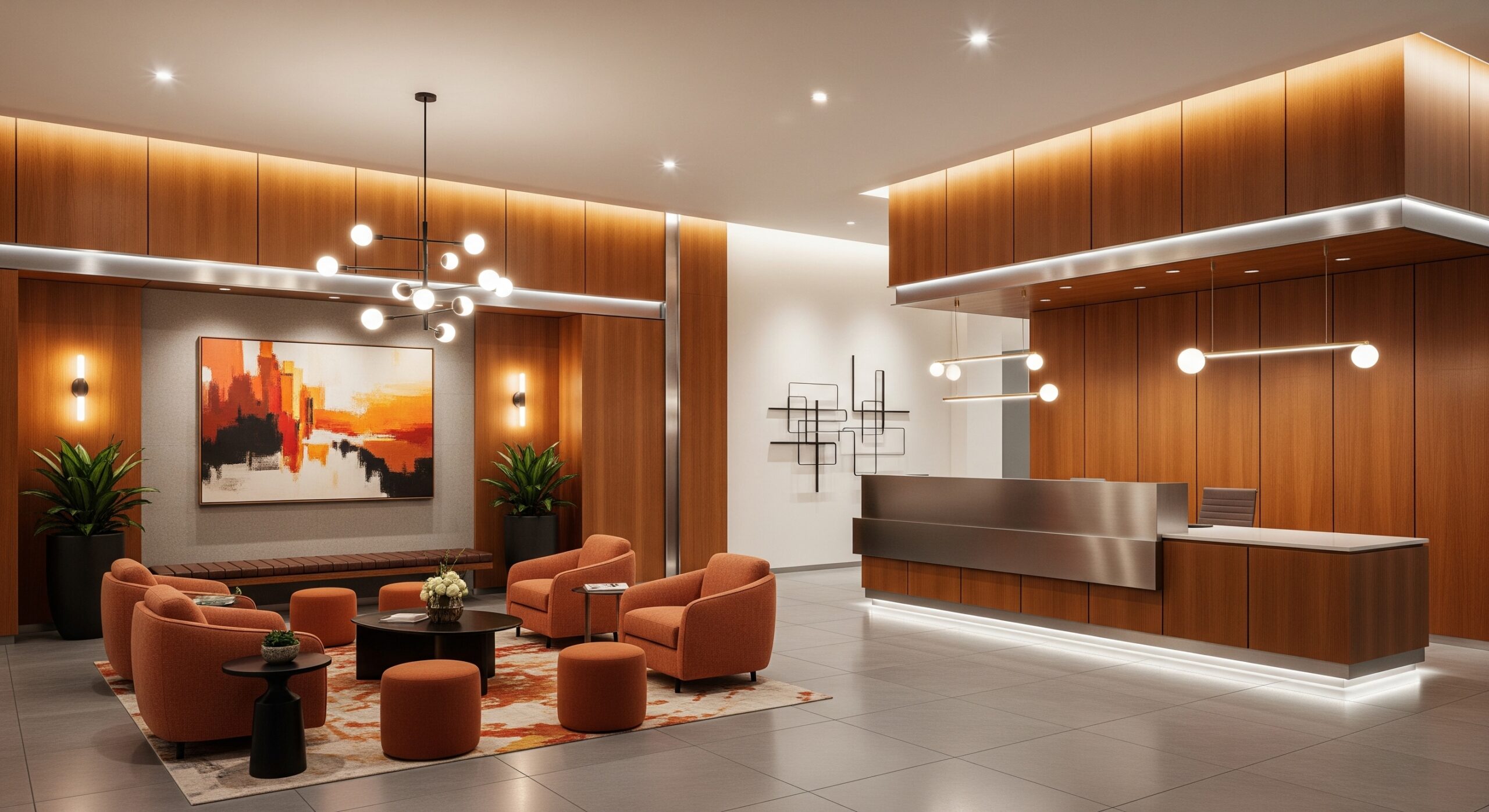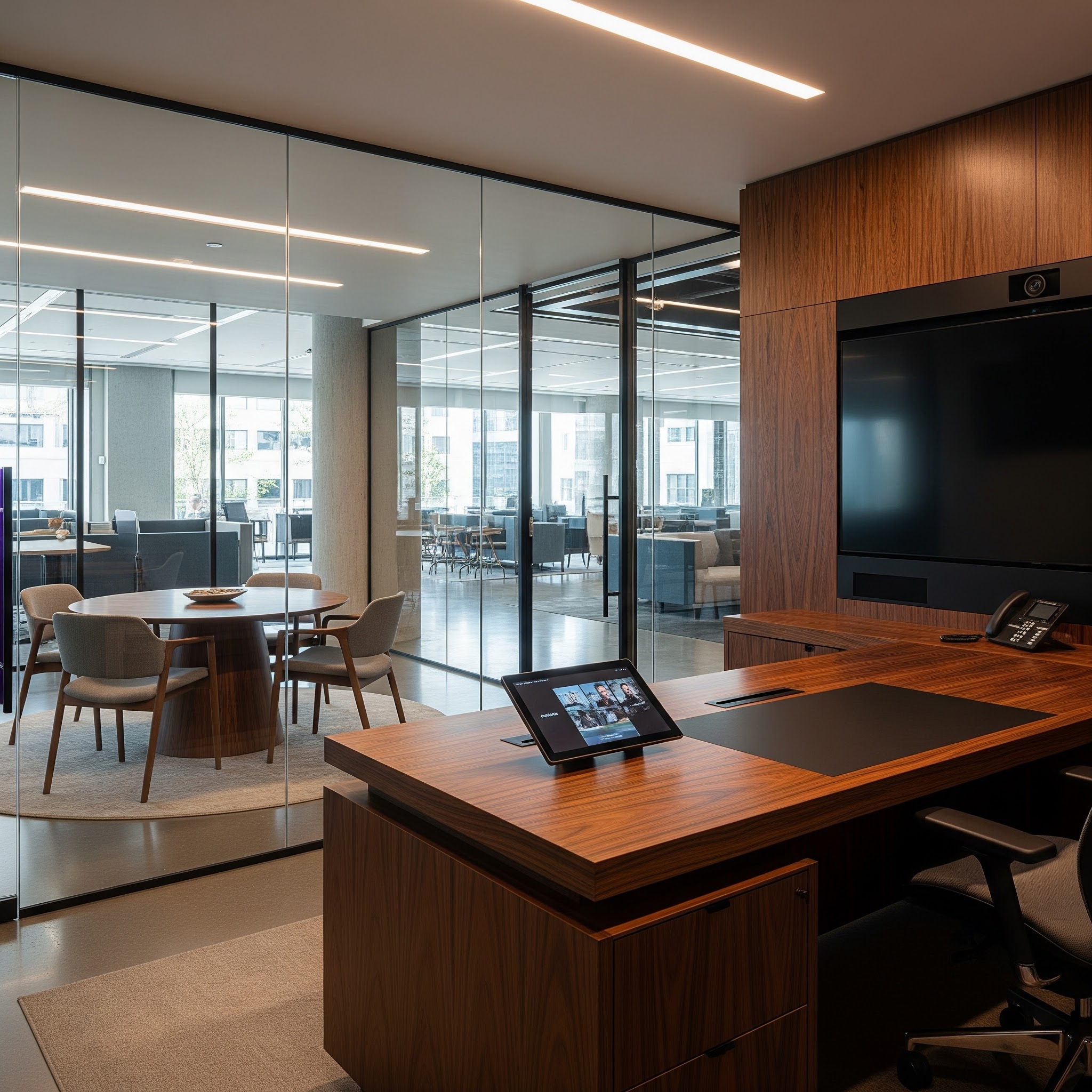
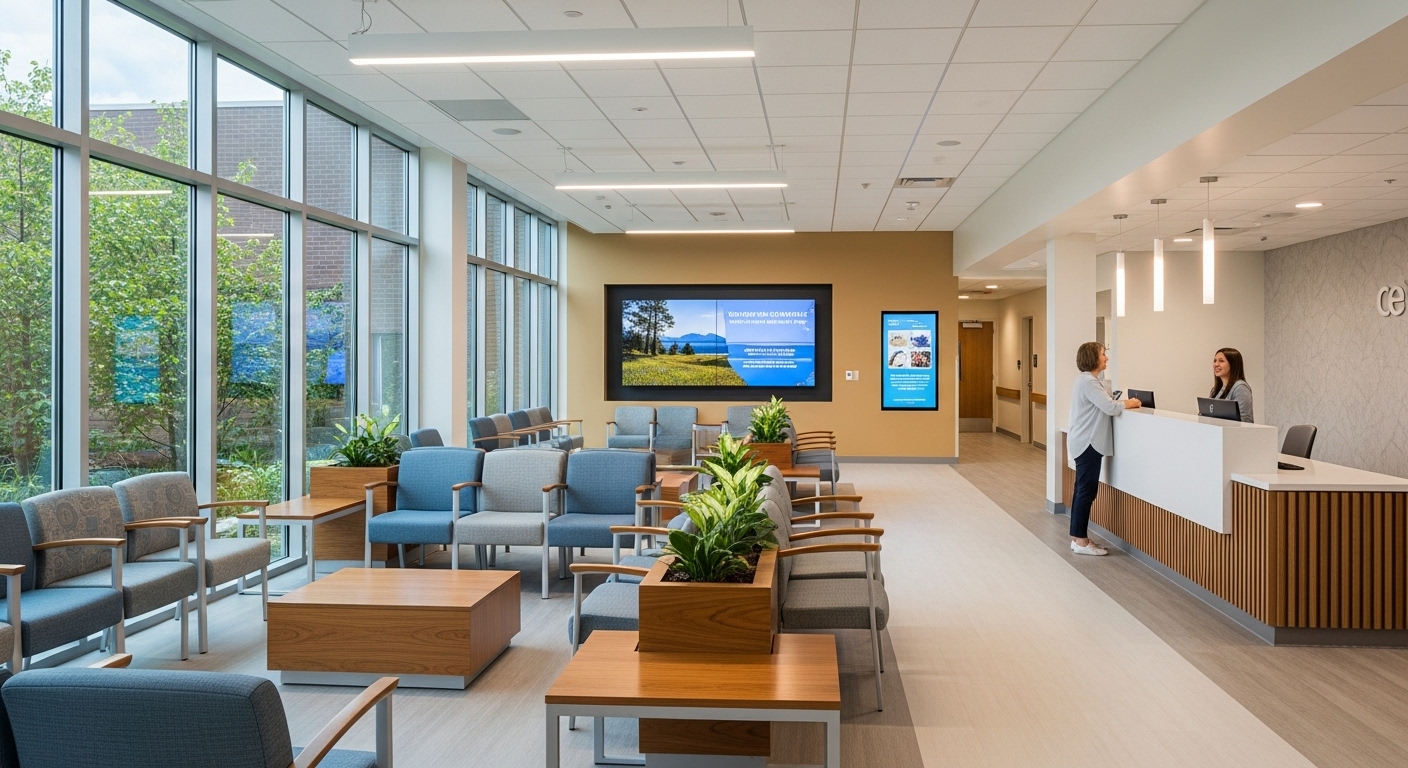
The patient journey often begins in the waiting room. This space, frequently overlooked as a mere transitional area, is in fact the first point of patient care. A patient’s experience while they wait can significantly influence their perception of the entire medical practice and, more importantly, can either heighten or alleviate the anxiety that often accompanies a visit to the doctor. A sterile, uncomfortable, and crowded waiting room can amplify stress, while a thoughtfully designed one can create a calming and reassuring atmosphere. Thoughtful medical office waiting room design is a powerful tool for improving the patient experience from the moment they arrive.
By shifting the perspective from a “waiting” room to a “welcoming” room, healthcare providers can demonstrate their commitment to patient comfort and well-being before a single word is exchanged with a clinician.
The Waiting Room as the First Point of Patient Care
Patients often arrive at a medical office feeling vulnerable, worried, or in pain. The environment they enter should be designed to counteract these negative emotions. The waiting room sets the tone for the entire appointment. A positive first impression can foster a sense of trust and safety, making patients more relaxed and receptive to care. Conversely, a negative experience can increase blood pressure and anxiety, potentially impacting the accuracy of clinical readings and the quality of communication with the provider.
Investing in waiting room design is an investment in patient-centered care. It shows patients that their comfort and emotional state are valued by the practice.
Design Elements That Reduce Stress
Creating a calming environment is a multi-sensory endeavor. It involves a careful combination of layout, furnishings, lighting, and natural elements to foster a sense of tranquility.
1. Comfortable and Varied Seating
The standard rows of hard, connected chairs are a relic of the past. A modern, patient-focused waiting room should offer a variety of seating choices to accommodate different needs.
- Diverse Arrangements: Include small clusters of chairs for families, single seats for privacy, and options with and without armrests to accommodate different body types and mobility levels.
- Ergonomics: Choose chairs that are comfortable and provide good support, and are at a height that is easy to get in and out of.
- Durable, Cleanable Fabrics: Select high-quality, non-porous fabrics in calming colors that can be easily cleaned and disinfected.
2. Biophilic Elements
Incorporating elements of nature, or biophilia, is one of the most effective strategies for reducing stress.
- Plants: Live plants or a well-maintained living wall can improve air quality and provide a visual connection to nature.
- Natural Light: Maximize daylight wherever possible. Views of the outdoors, even of a simple garden or trees, are highly beneficial.
- Natural Materials: Using wood, stone, and other natural materials for flooring, furniture, or accent walls can create a warm, grounding atmosphere.
3. Calming Color Palettes
Color has a direct impact on mood. Avoid stark, clinical white or overly stimulating bright colors.
- Nature-Inspired Hues: Soft blues, gentle greens, and warm, earthy tones are known to have a calming psychological effect.
- Subtle Accents: Use stronger colors sparingly in artwork or accent pillows to add visual interest without being overwhelming.
4. Thoughtful Lighting
Harsh, fluorescent overhead lighting can be jarring and institutional. A layered lighting approach is much more effective.
- Dimmable Fixtures: Use dimmable ambient lighting to create a softer, more welcoming glow.
- Accent and Task Lighting: Add table lamps or floor lamps in seating areas to create a cozier, more residential feel.
- Avoid Glare: Position lighting to avoid creating glare on screens or in patients’ eyes.
Layout Strategies for Privacy and Comfort
The layout of the waiting room should be designed to give patients a sense of personal space and control.
- Zoning: Create different “zones” within the waiting area. A quiet corner with a few chairs can offer a refuge for those who need it, while a small area with child-friendly furniture can keep kids entertained without disrupting other patients.
- Acoustic Privacy: The check-in and check-out desks should be positioned to ensure conversations about personal health information cannot be easily overheard by others in the waiting area. Using sound-absorbing materials can also help to muffle noise.
- Clear Circulation: Ensure there are clear, wide pathways for easy navigation, especially for patients using walkers or wheelchairs.
A well-designed waiting room is an integral part of a comprehensive approach to The Ultimate Guide to Healthcare Facility Interior Design. At DIG Interior Design, we believe every space within a medical facility offers an opportunity to support the healing process. Our services are focused on creating environments that are as compassionate as they are clinically efficient.
Is your waiting room working against you? It’s time to rethink the first impression you make on your patients. Encourage healthcare providers to rethink their waiting rooms with DIG’s help and transform a space of anxiety into a place of calm.