Location
Bronx, NY
Project Type
Senior Living Subacute Unit Renovation
Subacute Rehabilitation Unit Design for Senior Living
At Design + Implementation Group, we have an extensive portfolio of senior living design projects. Beth Abraham Center is one of our most notable installations in the Bronx, NY. This subacute rehabilitation unit renovation demonstrates DIG’s ability to transform institutional healthcare environments into spaces that promote healing, preserve dignity, and inspire recovery.
Our goal for this location was to create an environment inspired by an upscale hotel — elevated, dramatic, yet comfortable enough that residents feel at home during what is often a challenging recovery period. Subacute care bridges the gap between acute hospitalization and returning home, making the design of these spaces particularly important for patient morale and rehabilitation outcomes.
The Hotel-Inspired Design Concept
The hospitality-inspired approach is more than an aesthetic choice — it is a clinical strategy. Research in healthcare design demonstrates that patients in environments that feel residential rather than institutional report higher satisfaction, engage more actively in therapy programs, and often experience shorter lengths of stay. DIG applied this evidence-based framework throughout the Beth Abraham subacute unit.
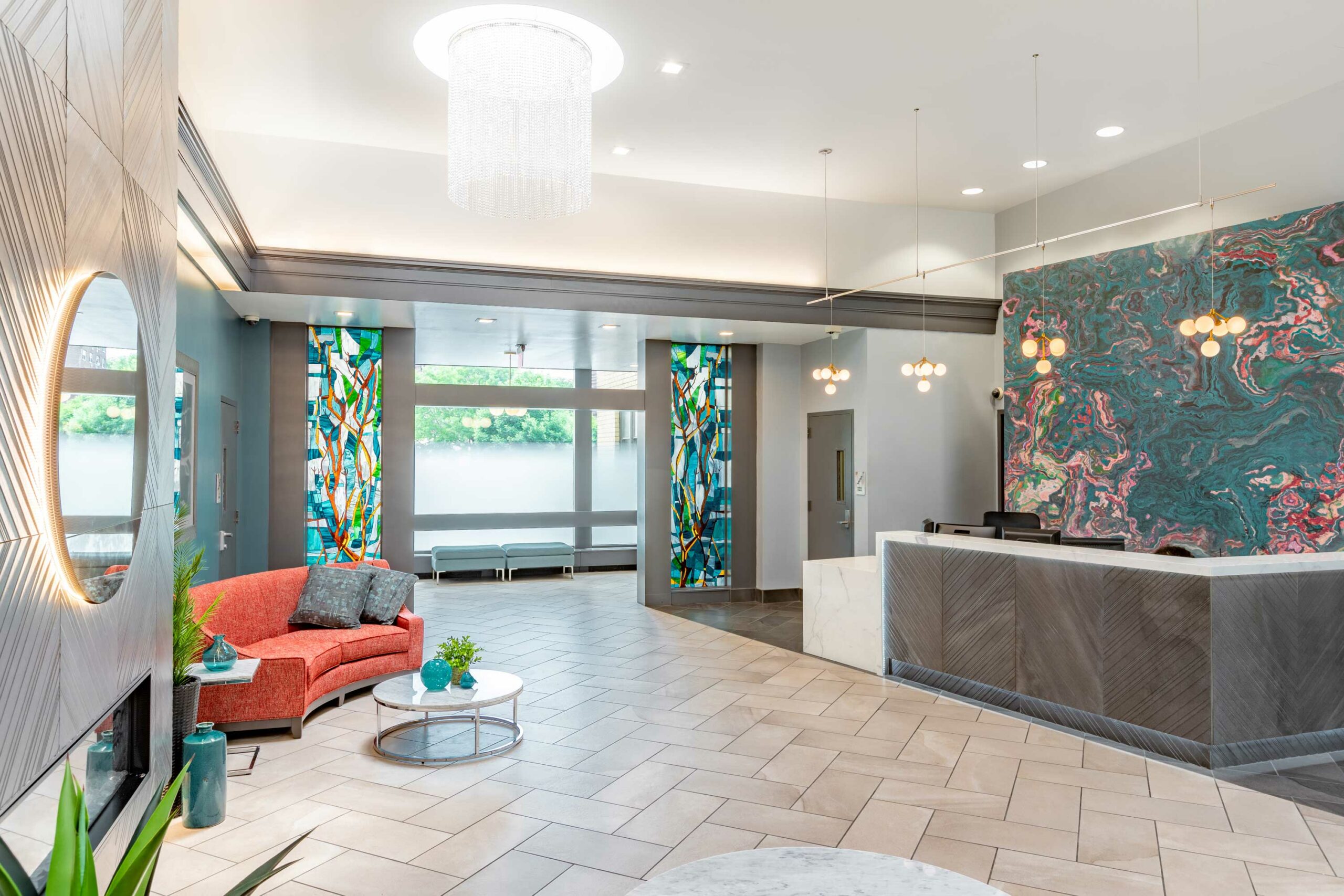
Lobby and Reception. The unit entrance was redesigned to resemble a boutique hotel lobby rather than a hospital ward. A welcoming reception area with residential-style seating, warm lighting, and curated artwork establishes the tone from the moment residents and families arrive.
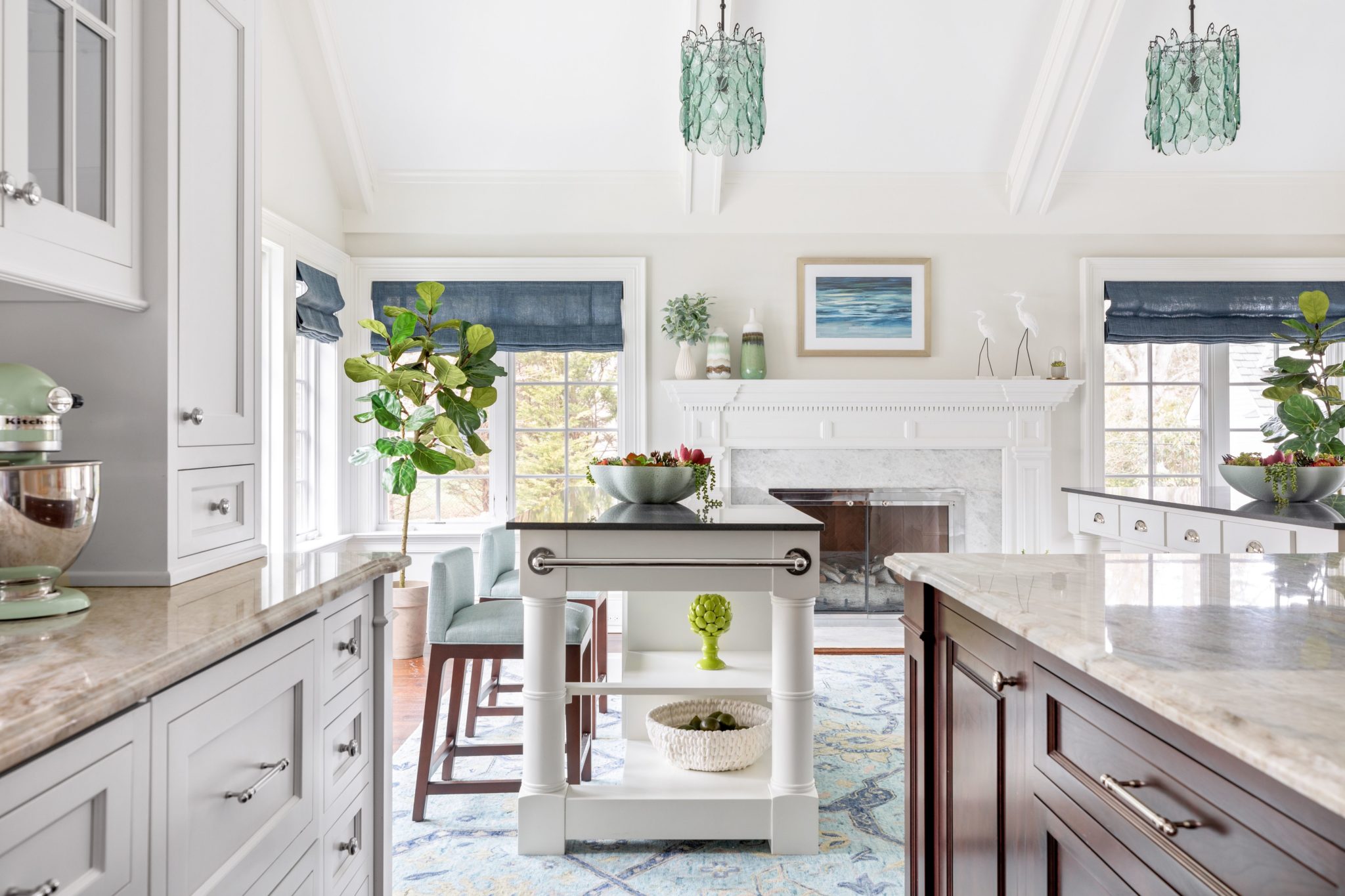
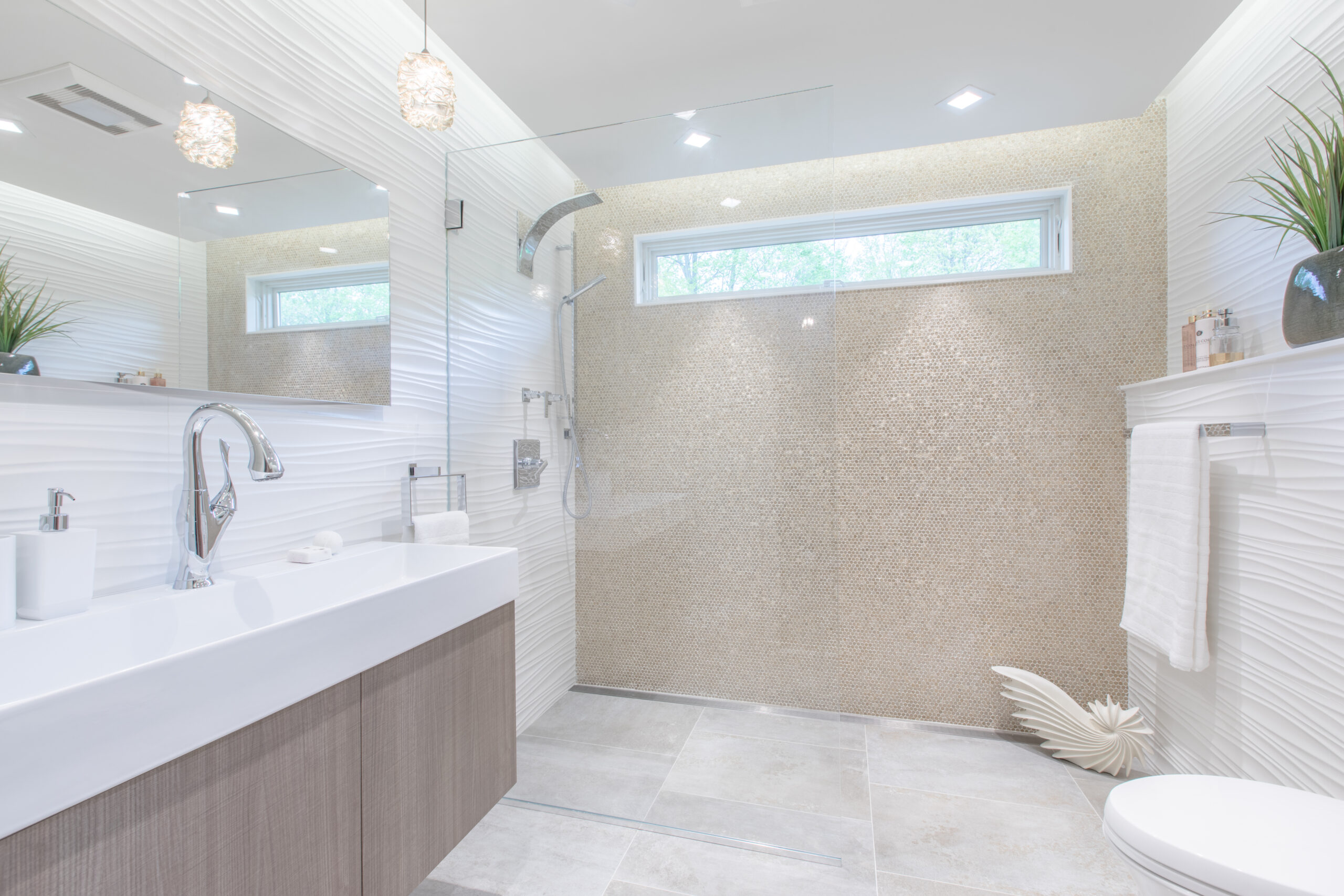
Resident Rooms. Each room was updated with residential-quality finishes including wood-look luxury vinyl flooring, upholstered headboards, bedside tables that function like hotel nightstands rather than medical overbed tables, and window treatments that control light while maintaining a finished, home-like appearance. Color palettes feature warm neutrals with accent colors drawn from nature.
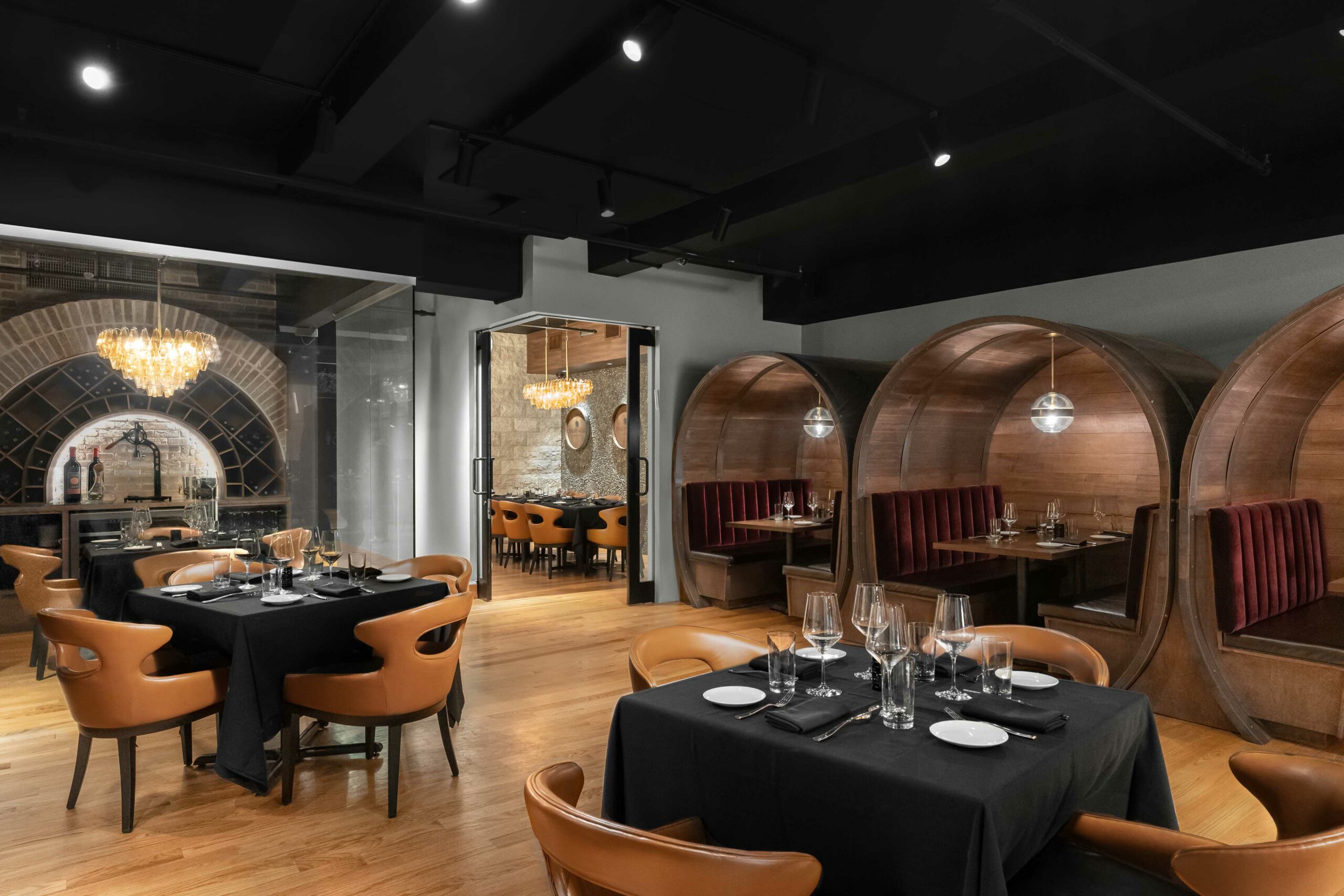
Common Areas. Dining areas, lounges, and social spaces received the most dramatic transformation. These high-traffic areas now feature a mix of seating types — comfortable lounge chairs, dining sets for four, and window-side reading nooks — that give residents choices about how and where they spend their time. This variety supports both social interaction and personal privacy.
Material Selection for Subacute Environments
Subacute rehabilitation units demand materials that meet stringent healthcare requirements while delivering the visual warmth of hospitality design. DIG navigated this balance through careful specification:
All flooring meets healthcare slip-resistance standards while maintaining the visual appeal of natural materials. Wall coverings are cleanable and antimicrobial yet feature textures and patterns typically found in high-end residential settings. Furniture selections use commercial-grade frames and healthcare-appropriate fabrics — stain-resistant, fluid-proof, and easy to sanitize — in colorways and textures that feel luxurious rather than institutional.
Project Gallery


DIG’s Senior Living Design Philosophy
Design + Implementation Group approaches every senior living project with the belief that the quality of the built environment directly reflects the quality of care a facility provides. Residents, families, and staff all deserve spaces that are safe, functional, and beautiful. Our integrated design-build model ensures that the design vision is executed faithfully from concept through final installation, with DIG managing FF&E procurement, contractor coordination, and quality control at every stage.
With completed projects throughout the Bronx, Brooklyn, White Plains, Long Island, and across the New York metro area, DIG has become a trusted partner for senior living operators seeking to elevate their facilities and differentiate their communities in a competitive market.
Frequently Asked Questions
What is a subacute rehabilitation unit?
A subacute rehabilitation unit provides short-term, intensive rehabilitation services for patients who no longer need acute hospital care but are not yet ready to return home. These units typically serve patients recovering from surgery, stroke, hip fracture, or other conditions requiring daily physical, occupational, or speech therapy.
Why does interior design matter in subacute rehabilitation?
Interior design directly impacts rehabilitation outcomes. Environments that feel institutional can increase patient anxiety and reduce motivation to participate in therapy. Hotel-inspired designs that feel warm and dignified promote better mood, stronger therapy engagement, and higher patient satisfaction scores — all of which are increasingly tied to facility reimbursement rates.
How does DIG ensure healthcare compliance in senior living design?
DIG’s team is experienced with New York State Department of Health regulations, CMS requirements, ADA standards, and fire safety codes specific to healthcare occupancies. Every material, layout decision, and fixture selection is verified for compliance before specification and installation.
Can existing senior living facilities be renovated without displacing residents?
Yes. DIG has extensive experience managing phased renovations that allow portions of a facility to remain operational while other sections are under construction. We develop detailed phasing plans in collaboration with facility administrators to minimize disruption to residents and staff.
What is FF&E procurement and why is it important in senior living projects?
FF&E stands for furniture, fixtures, and equipment. Procurement involves sourcing, ordering, coordinating delivery, and installing all non-structural items in a facility. In senior living, proper FF&E procurement ensures that all furnishings meet healthcare durability and safety standards while achieving the design aesthetic. DIG manages this entire process as part of its integrated service model.