Industrial interiors have remained popular for decades, thanks to their honest materials, architectural character, and timeless appeal.
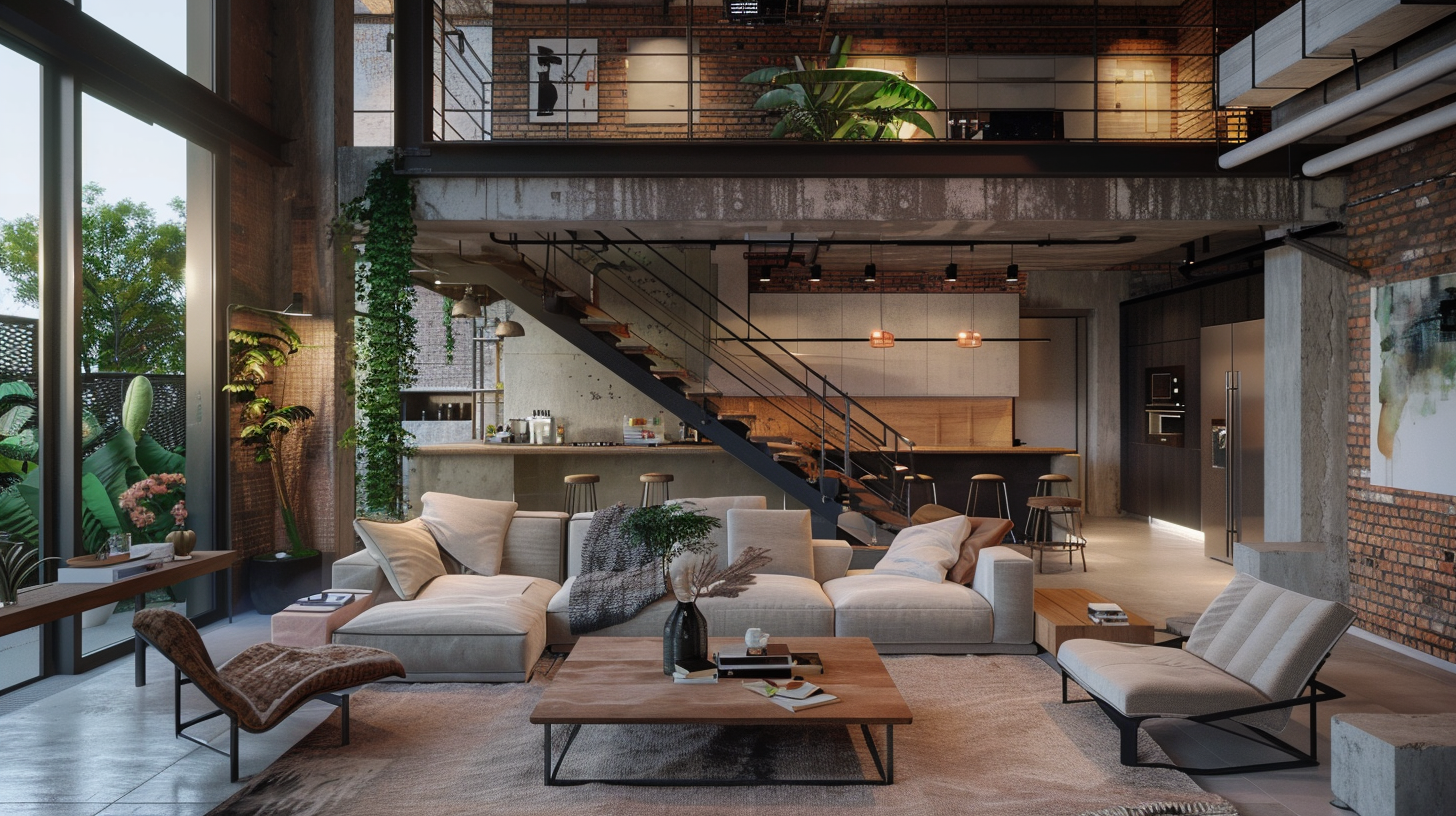
Exposed steel, concrete, brick, large windows, and open spaces create environments with a strong sense of authenticity.
Yet many people hesitate to embrace industrial design because they fear it will feel cold, sterile, or unfinished.
The reality is that some of today’s most successful interiors combine industrial elements with softer, more comfortable design strategies.
The result is a balance between character and comfort—a space that feels both refined and inviting.
Why Industrial Spaces Can Feel Cold
Industrial design often relies on materials traditionally associated with durability and utility.
Common examples include:
- Concrete
- Steel
- Brick
- Glass
- Exposed mechanical systems
These materials create texture and visual interest, but they also tend to reflect sound, absorb less light, and introduce harder visual edges.
When used excessively without balance, interiors can feel harsh and uncomfortable despite their architectural appeal.
The goal is not to eliminate these materials.
It is to complement them.
Wood Is Often the Perfect Counterbalance
Few materials soften industrial environments as effectively as wood.
Its natural grain, warmth, and variation create contrast against concrete, metal, and glass.
Whether introduced through flooring, millwork, furniture, ceiling treatments, or decorative elements, wood helps make industrial environments feel more human.
This contrast is one of the reasons industrial-modern interiors remain so popular.
The relationship between warm and cool materials creates visual balance.
Textiles Introduce Comfort
Industrial spaces frequently benefit from additional softness.
Textiles provide that softness while improving both comfort and acoustics.
Examples include:
- Area rugs
- Drapery
- Upholstered furniture
- Accent pillows
- Woven accessories
These elements help absorb sound while making spaces feel more comfortable and approachable.
Without textiles, industrial interiors often feel incomplete.
Lighting Changes Everything
Lighting plays a significant role in determining whether an industrial space feels welcoming or austere.
Many industrial environments already benefit from large windows and abundant natural light.
However, evening conditions require equal consideration.
Warm lighting temperatures, layered lighting strategies, and thoughtfully selected fixtures help soften the visual impact of harder materials.
The difference between an industrial space that feels cozy and one that feels cold is often lighting rather than architecture.
Layering Texture Creates Warmth
Texture is one of the most effective tools for balancing industrial materials.
Concrete and steel tend to have relatively smooth, uniform appearances.
Introducing layered textures creates visual depth and comfort.
Examples include:
- Natural wood grain
- Wool rugs
- Linen upholstery
- Leather seating
- Woven baskets
- Textured wall treatments
The interaction between these materials creates richness without requiring excessive decoration.
This layered approach often makes industrial interiors feel more complete.
Scale Matters
Industrial spaces frequently feature high ceilings, open floor plans, and expansive volumes.
While these characteristics create drama, they can also make spaces feel impersonal if scale is not carefully managed.
Larger furniture, oversized lighting fixtures, substantial area rugs, and thoughtfully arranged seating groups help make these environments feel more intimate.
The goal is to create human-scale experiences within larger architectural volumes.
Color Can Soften Hard Materials
Industrial palettes often emphasize blacks, grays, and neutral tones.
While timeless, these colors benefit from strategic warmth.
Earth tones, warm whites, muted greens, and natural wood finishes help offset the cooler qualities of concrete and steel.
This does not require introducing bright colors.
Often, subtle shifts in tone are enough to make a significant difference in how a space feels.
Plants Bring Life to Industrial Environments
One of the simplest ways to soften industrial interiors is through greenery.
Plants introduce organic forms that contrast naturally with geometric architecture and hard materials.
They also add color, texture, and visual movement.
Whether through large statement plants or smaller groupings, greenery helps create a stronger connection between the built environment and nature.
This balance often makes industrial spaces feel more welcoming.
The Best Industrial Spaces Feel Intentional
Industrial design succeeds when it feels curated rather than unfinished.
The strongest projects do not simply expose materials and stop there.
They balance durability with comfort, structure with softness, and openness with warmth.
This is what transforms industrial environments from purely architectural spaces into places where people genuinely enjoy spending time.
Finding the Balance Between Character and Comfort
Industrial design does not have to feel cold.
When paired thoughtfully with warm materials, layered textures, comfortable furnishings, and strategic lighting, industrial interiors can feel both sophisticated and inviting.
The most successful spaces embrace the strengths of industrial architecture while introducing the elements needed to support everyday living.
Because great design is rarely about choosing between two styles.
It’s about finding the balance between them.