Few design elements have the power to change a space as dramatically as lighting.
A room can have beautiful furniture, quality finishes, and a carefully selected color palette, yet still feel uncomfortable or uninspiring if the lighting is poorly planned.
Conversely, thoughtful lighting can elevate even the simplest environment.
Lighting influences how we perceive size, texture, color, mood, and comfort. It affects how a room functions throughout the day and how people feel while occupying it.
The most successful interiors treat lighting as part of the architecture rather than an accessory added at the end of the design process.
Lighting Is More Than Brightness
One of the most common misconceptions about lighting is that more light automatically creates a better environment.
In reality, successful lighting design is about balance.
Rooms need different types of light serving different purposes. A single overhead fixture rarely provides the flexibility necessary for modern living and working.
This is why designers typically think about lighting in three categories:
- Ambient lighting
- Task lighting
- Accent lighting
When these layers work together, spaces feel more comfortable, functional, and visually interesting.
Ambient Lighting Creates the Foundation
Ambient lighting serves as the primary source of illumination within a room.
Its role is to provide overall visibility and establish the general mood of the environment.
Common examples include:
- Recessed lighting
- Ceiling-mounted fixtures
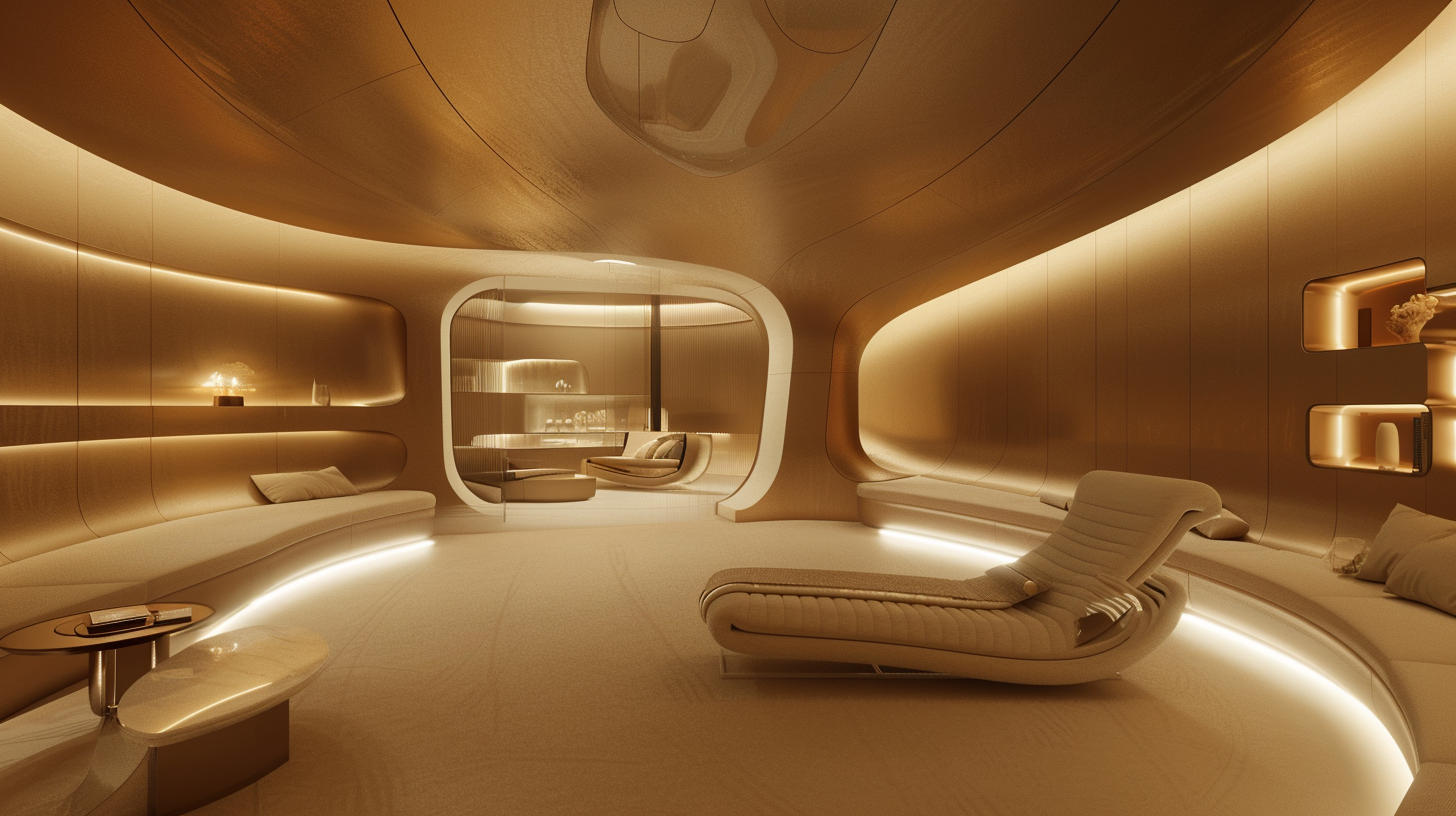
- Indirect cove lighting
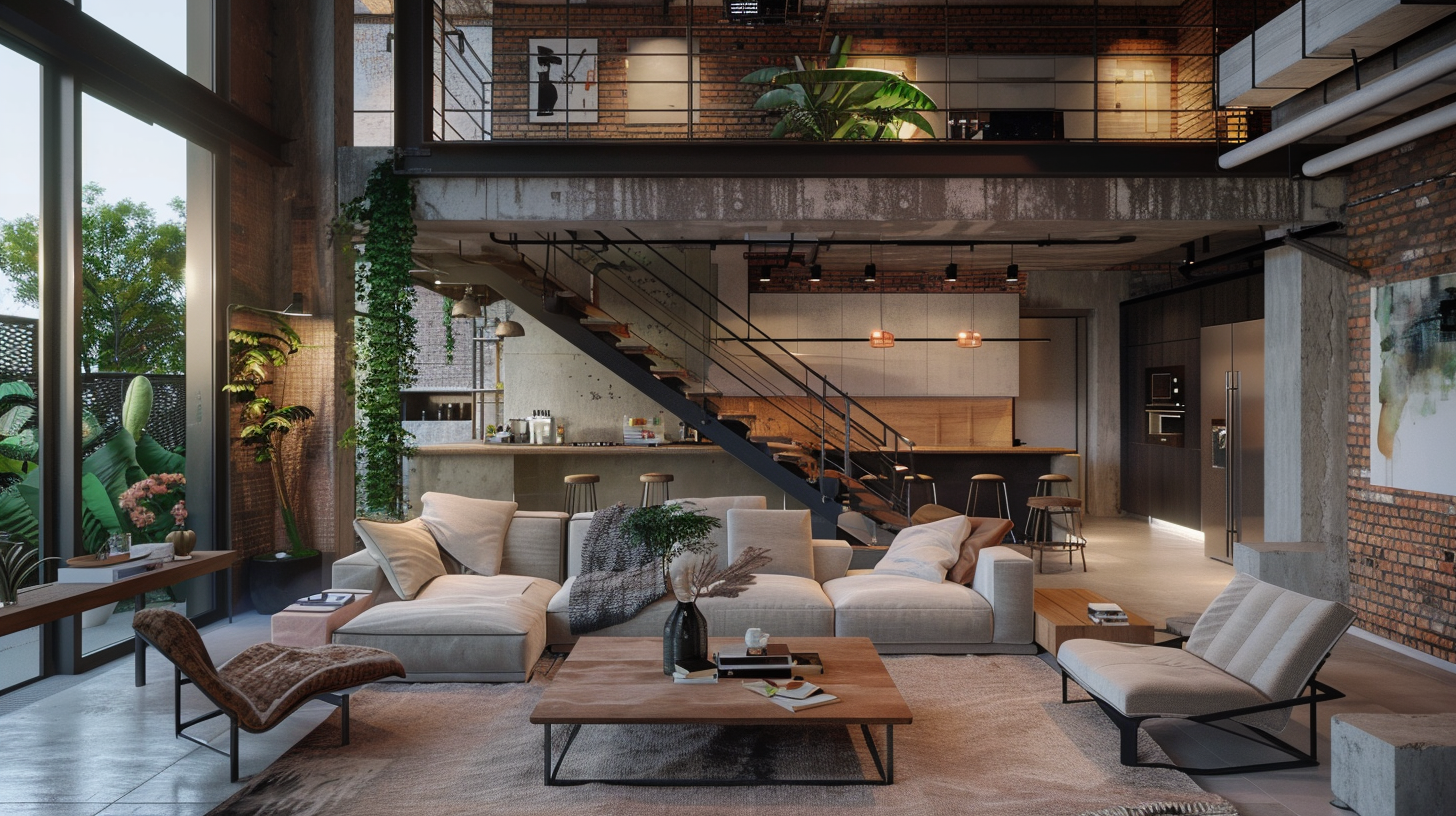
- Large pendant fixtures
Many rooms rely entirely on ambient lighting, which often results in flat and uninspiring environments.
While ambient lighting is essential, it works best when supported by additional layers that create depth and flexibility.
Task Lighting Supports Function
Task lighting is designed to support specific activities.
Reading, cooking, working, applying makeup, and other focused tasks require higher levels of illumination than general ambient lighting typically provides.
Examples include:
- Desk lamps
- Under-cabinet kitchen lighting
- Vanity lighting
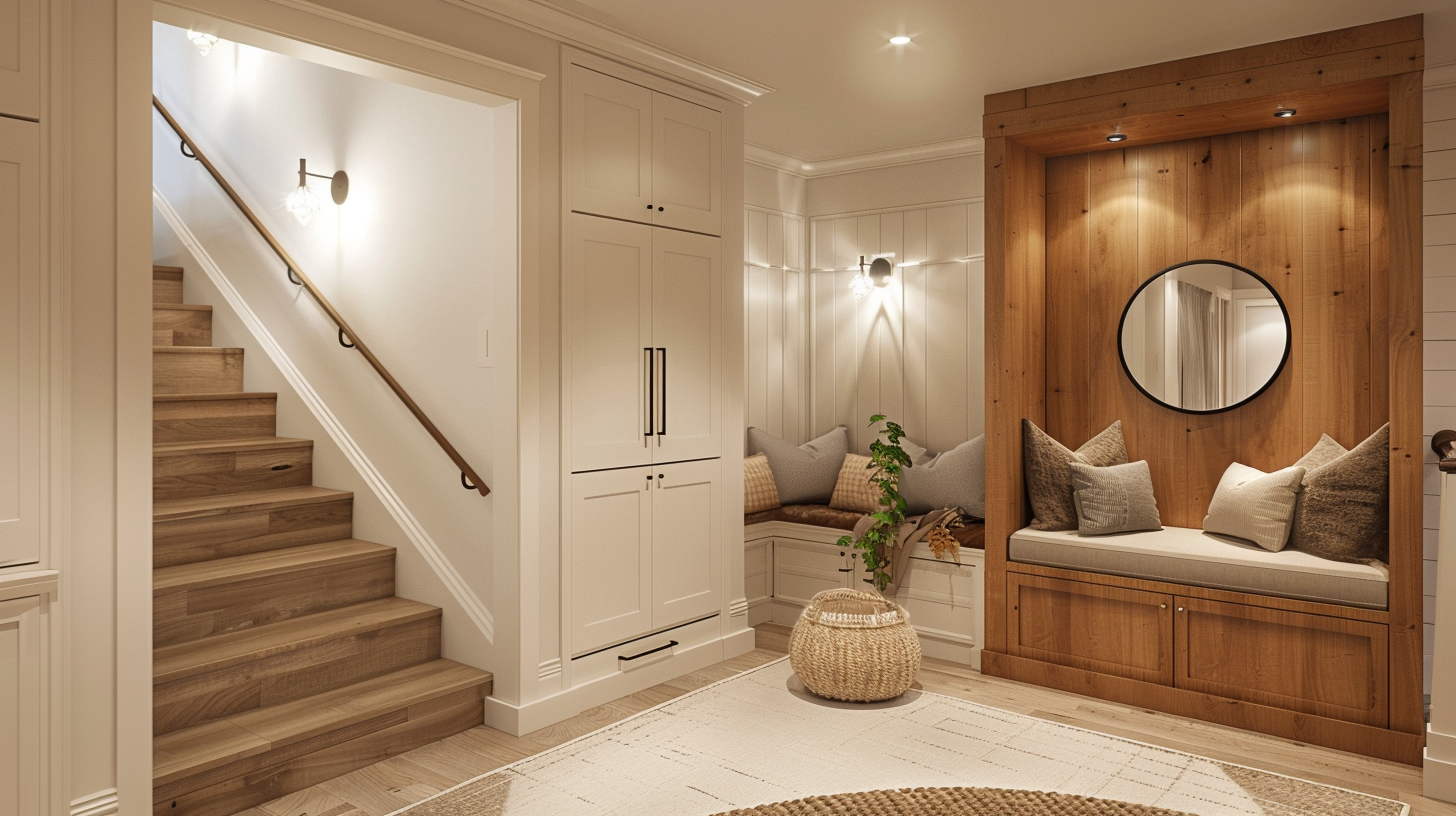
- Reading sconces
- Pendant lights over work surfaces
Without adequate task lighting, people often compensate by increasing overall brightness throughout the room.
This can create spaces that feel harsh and uncomfortable.
Targeted lighting allows the room to remain balanced while still supporting functional needs.
Accent Lighting Creates Interest
Accent lighting is often the difference between a room that feels functional and one that feels designed.
Its purpose is to highlight specific features and create visual hierarchy.
Accent lighting can be used to emphasize:
- Artwork
- Architectural details
- Textured walls
- Bookshelves
- Decorative objects
- Landscape features
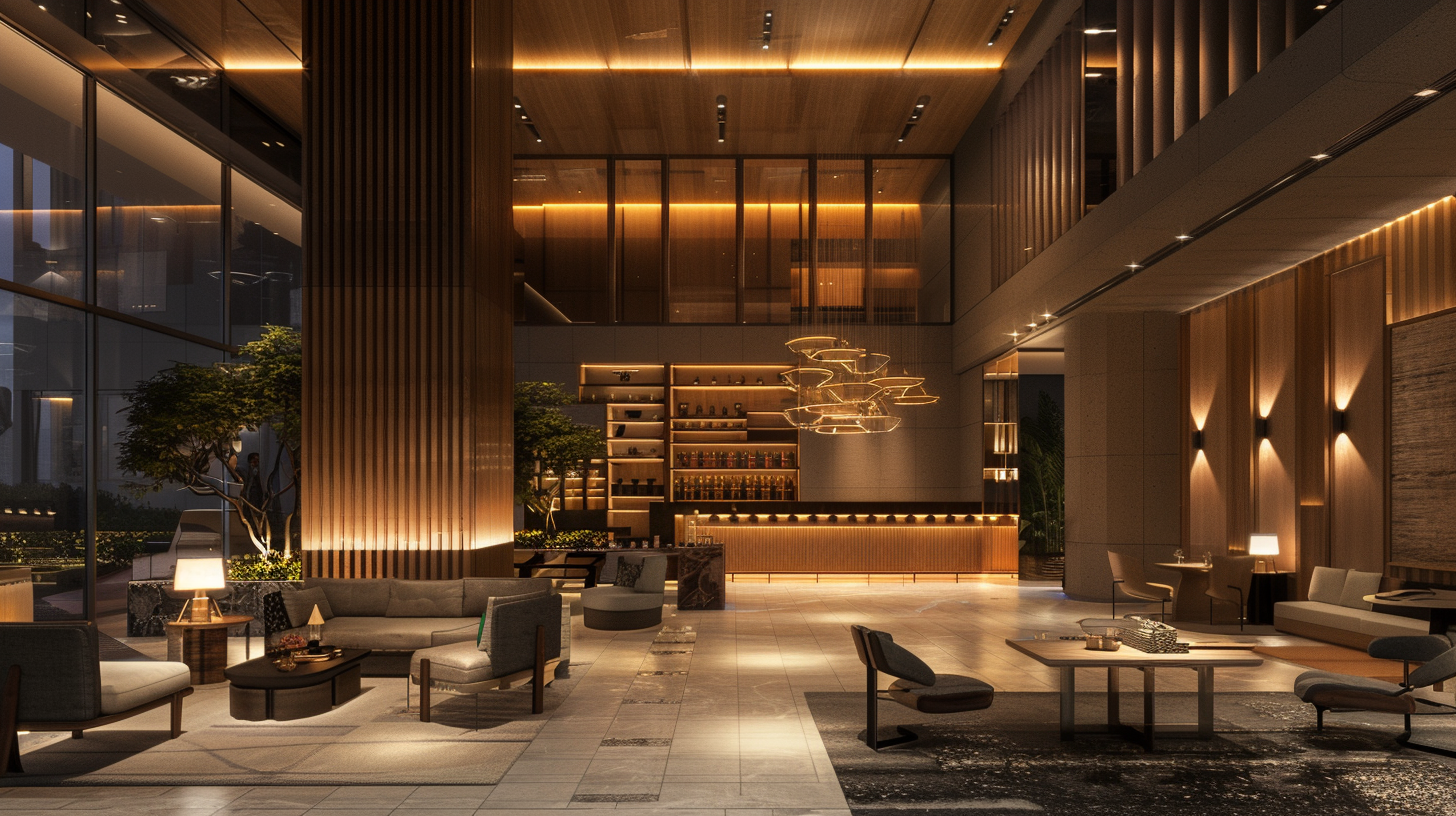
By drawing attention to specific areas, accent lighting creates depth and helps guide the eye through the space.
This layer often contributes significantly to a room’s atmosphere.
Layered Lighting Creates Flexibility
One of the hallmarks of professionally designed interiors is flexibility.
Rooms rarely serve a single purpose throughout the day.
A living room may support entertaining, reading, watching television, working, and relaxing within the same 24-hour period.
Layered lighting allows spaces to adapt.
Instead of relying on one lighting condition, occupants can adjust the environment based on activity, time of day, and mood.
This flexibility makes rooms feel more dynamic and comfortable.
Color Temperature Matters
Brightness is only one aspect of lighting quality.
Color temperature significantly influences how a room feels.
Warmer light typically creates a comfortable, inviting atmosphere and is often preferred in residential environments.
Cooler light tends to feel more energetic and can be appropriate for certain task-oriented spaces.
Selecting the wrong color temperature can dramatically affect how materials, finishes, and furnishings appear.
Even beautifully designed rooms can feel uncomfortable if lighting temperatures are inconsistent or poorly matched to the intended use.
Natural Light Should Be Part of the Strategy
Artificial lighting is important, but natural light remains one of the most valuable design tools available.
Daylight enhances color accuracy, supports wellbeing, and creates visual connection to the outdoors.
Successful lighting plans consider how natural and artificial light work together throughout the day.
Window placement, window treatments, reflective surfaces, and furniture positioning all influence how daylight interacts with the space.
The goal is not simply to maximize natural light, but to manage it effectively.
Lighting Can Change Perceived Size
Lighting influences how large or small a room feels.
Dark corners and uneven illumination can make spaces appear smaller than they actually are.
Conversely, balanced lighting that reaches walls and ceilings helps create a greater sense of openness.
This is particularly important in smaller homes, apartments, and compact commercial environments where perception matters as much as square footage.
Strategic lighting often provides a greater visual impact than many architectural modifications.
Designing With Light, Not Just Fixtures
The most successful interiors are not defined by the fixtures themselves.
They are defined by the quality of light those fixtures create.
Effective lighting design supports function, enhances mood, highlights important features, and adapts to changing needs throughout the day.
Because lighting is not simply something that allows us to see a room.
It fundamentally shapes how we experience it.