One of the most common reasons interiors feel unfinished has nothing to do with furniture quality, color palettes, or square footage.
Often, the issue is the absence of a focal point.
When every element in a room competes equally for attention, the space can feel visually flat and difficult to read. The eye moves through the environment without finding a clear destination.
This is where a statement piece becomes valuable.
A statement piece creates hierarchy. It gives the room a visual anchor, establishes identity, and helps organize the surrounding design elements into a cohesive composition.
Whether in a residence, office, hospitality environment, or commercial space, the strongest interiors almost always have something that commands attention first.
What Is a Statement Piece?
A statement piece is the element within a room that naturally attracts attention before anything else.
It does not necessarily have to be large, expensive, or dramatic.
In some spaces, it may be:
– A sculptural light fixture
– A fireplace
– A large piece of artwork
– A custom reception desk
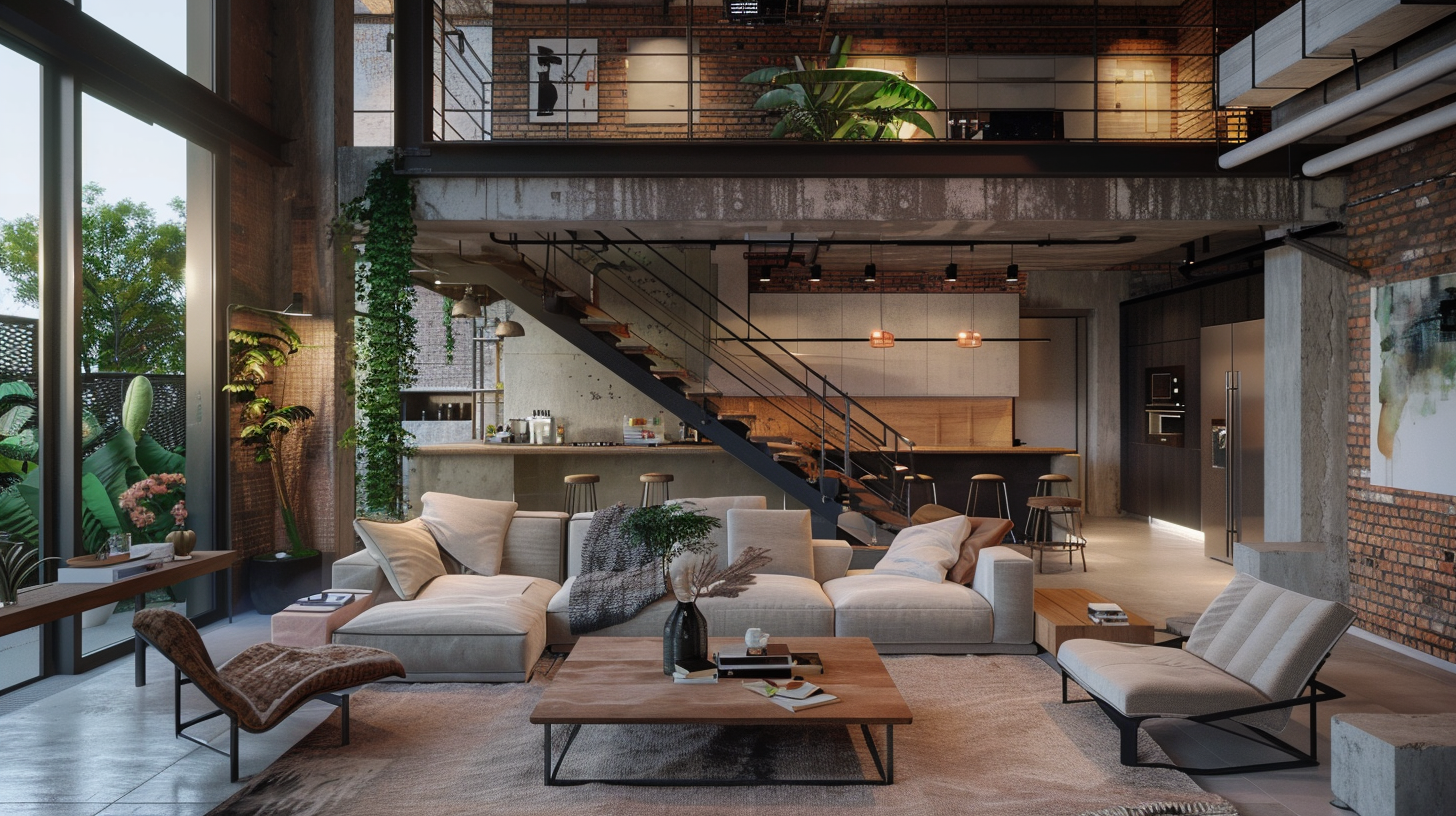
– An architectural feature
– A bold furniture selection
The defining characteristic is not scale.
It is visual importance.
The statement piece establishes where the eye lands first and helps create order within the space.
Visual Hierarchy Creates Comfort
People often think of interior design primarily as an aesthetic discipline.
In reality, much of good design is about organizing information.
Every room contains visual information:
– Furniture
– Materials
– Lighting
– Artwork
– Architectural details
– Technology
Without hierarchy, these elements compete for attention equally.
This creates visual noise.
A statement piece helps establish a clear hierarchy by giving the eye a starting point.
Once that focal point is identified, the rest of the room becomes easier to understand and experience.
Statement Pieces Create Identity
Many interiors are technically well-designed but ultimately forgettable.
They may have quality finishes, comfortable furnishings, and strong functionality, yet lack a defining feature that makes the space memorable.
Statement pieces help create identity.
When people recall a restaurant, hotel, office, or residence, they often remember a specific element:
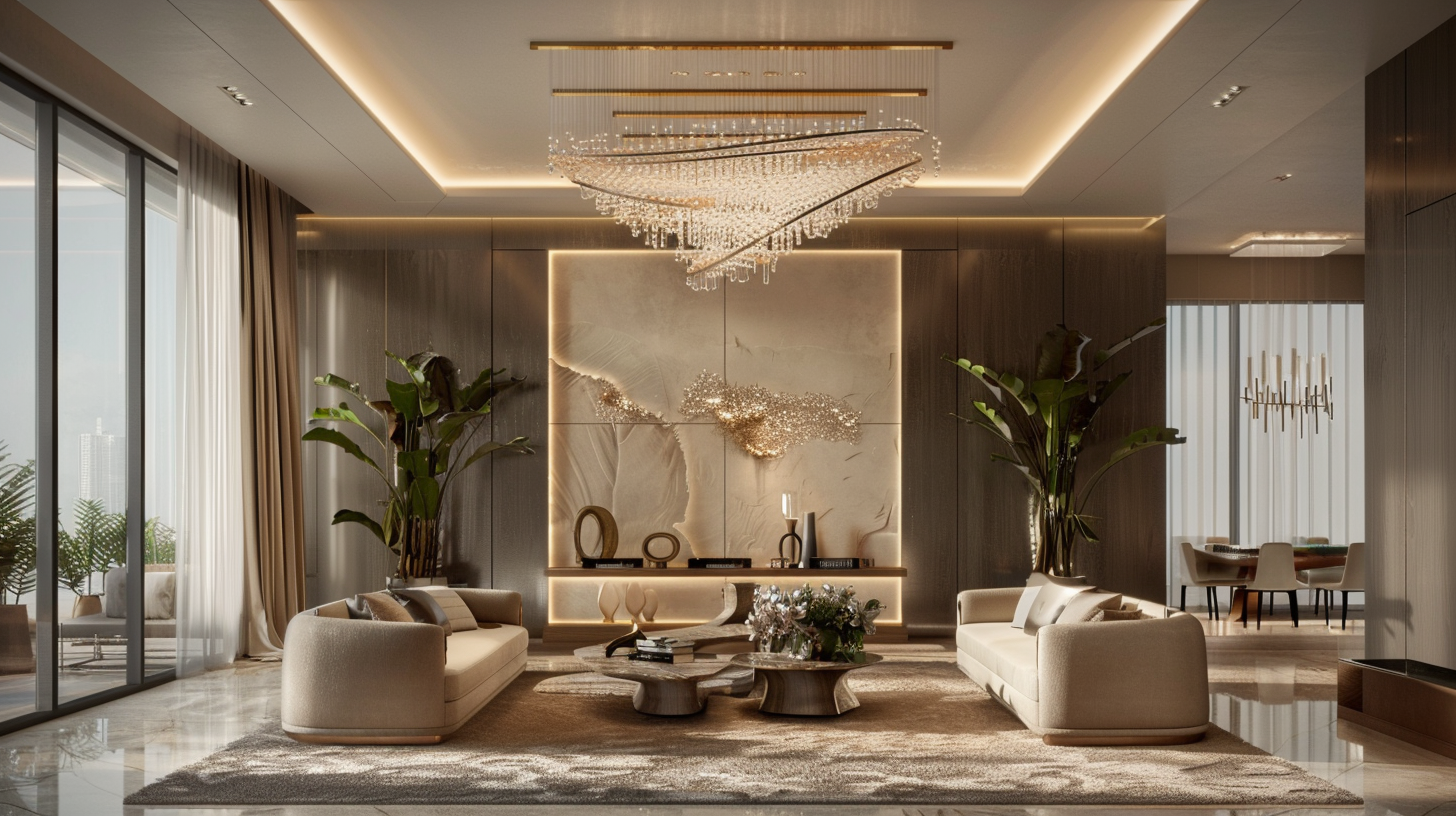
- The dramatic chandelier
- The custom staircase
- The oversized artwork
- The striking fireplace
- The sculptural reception desk
These features become part of how the space is experienced and remembered.
They give the environment character beyond its functional requirements.
Not Every Statement Piece Needs to Be Bold
A common misconception is that statement pieces must be dramatic.
In reality, some of the most successful focal points are relatively subtle.
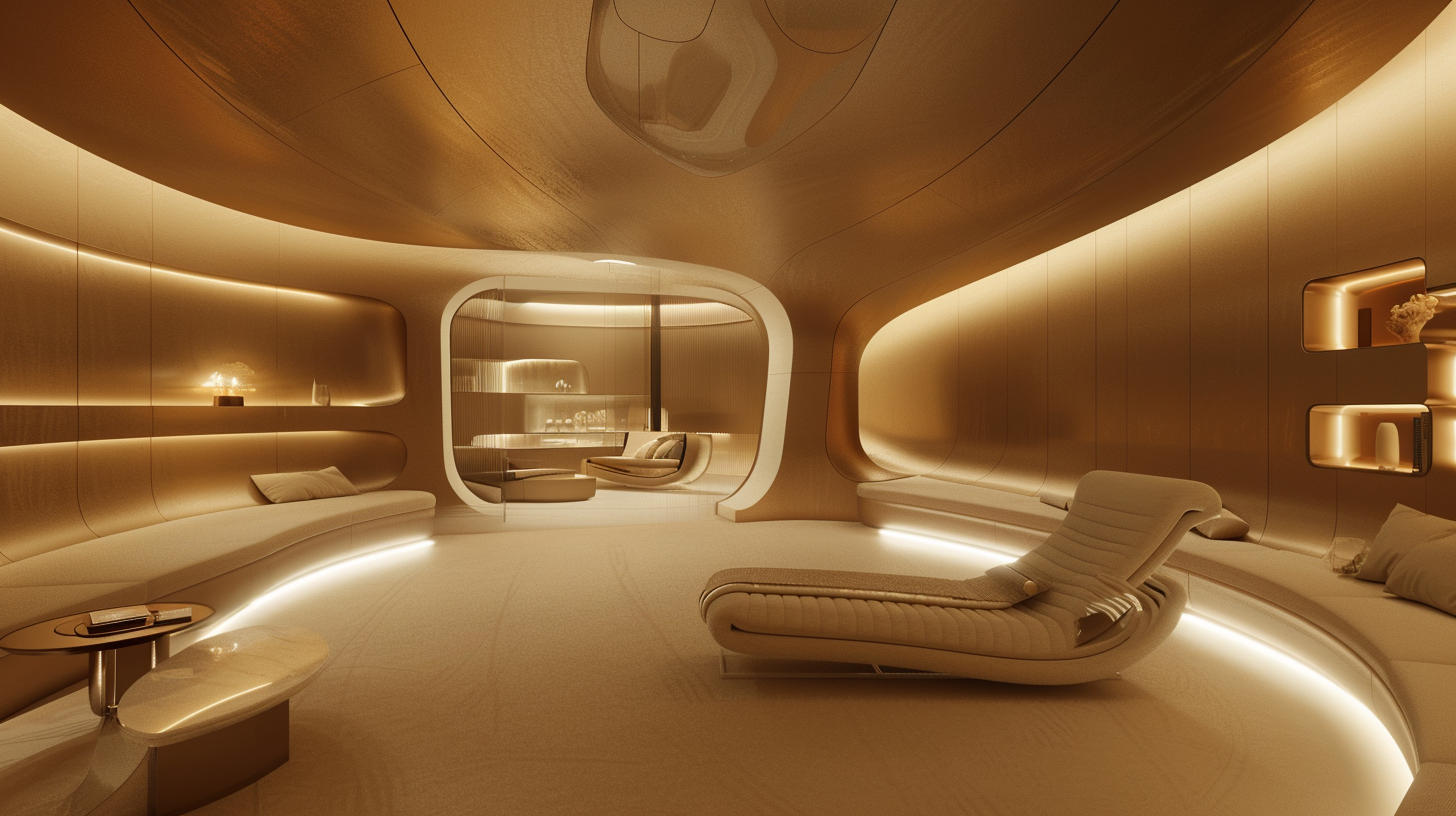
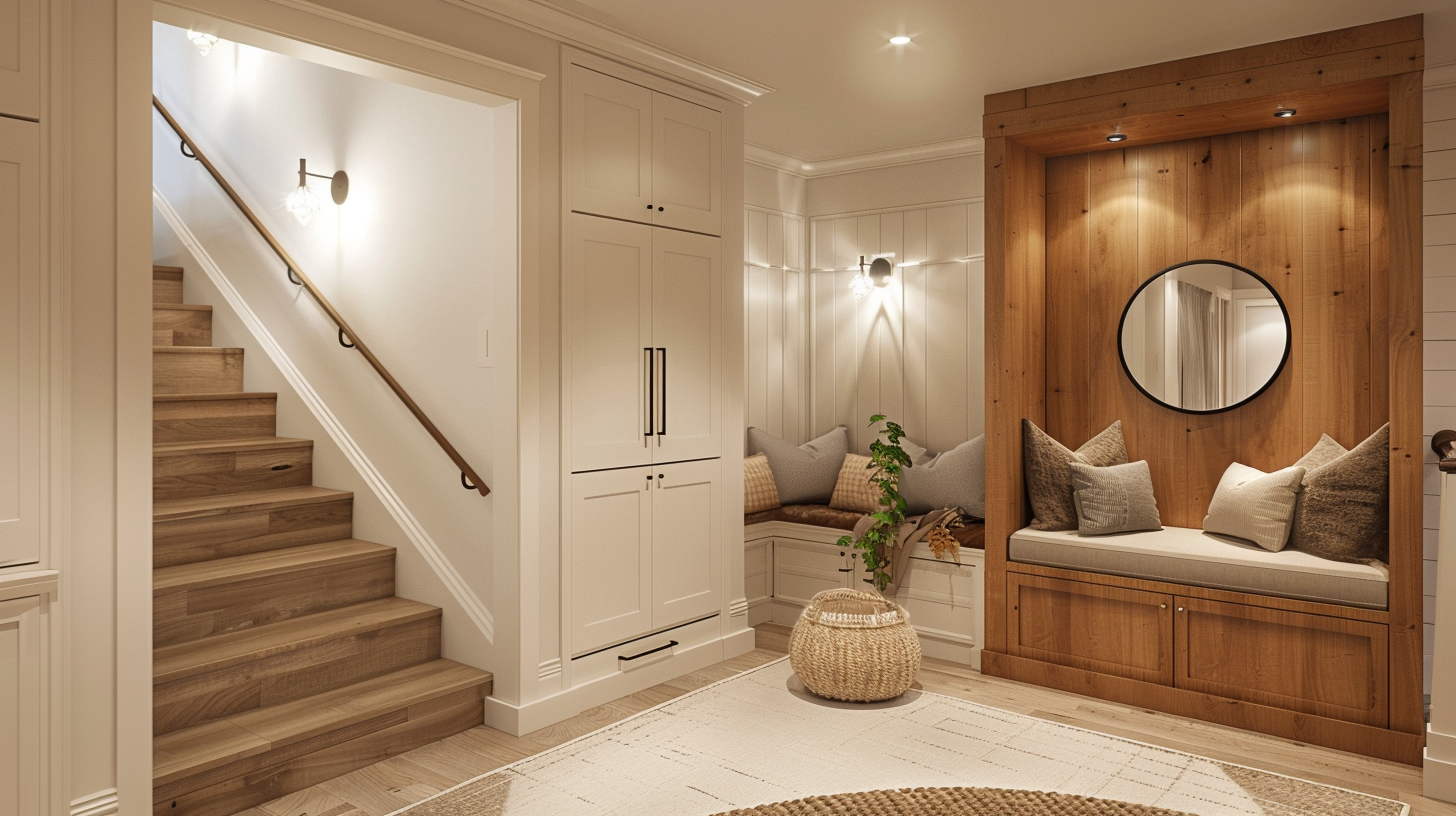
A beautifully detailed millwork wall, a thoughtfully framed view, or a carefully selected furniture piece can become the defining element of a room without overwhelming the overall design.
The objective is not to create spectacle.
The objective is to create emphasis.
When done correctly, statement pieces feel intentional rather than attention-seeking.
Balance Is What Makes a Statement Piece Work
A focal point only works when the surrounding environment supports it.
If every element attempts to become the statement piece, the room loses clarity.
This is one of the most common mistakes in interior design.
Too many bold finishes, competing colors, oversized accessories, and highly decorative features can create visual confusion.
The strongest interiors understand restraint.
They allow one primary element to lead while supporting elements reinforce the overall composition.
The result feels balanced rather than chaotic.
Statement Pieces Help Guide Movement
In commercial environments, focal points often serve an additional purpose.
They help orient people within the space.
Reception desks, feature walls, artwork installations, and architectural elements can subtly guide circulation and improve wayfinding.
This is particularly valuable in:
– Workplace environments
– Hospitality projects
– Healthcare facilities
– Educational buildings
– Retail environments
People naturally move toward visually significant elements.
Designers often leverage this behavior to improve both experience and navigation.
The Best Statement Pieces Feel Integrated
The strongest statement pieces do not feel added to a room.
They feel as though the room was designed around them.
Whether architectural or decorative, they reinforce the broader design concept and contribute to the overall story of the space.
This integration is what separates meaningful focal points from decorative objects placed simply to attract attention.
When a statement piece feels connected to the design narrative, the entire environment becomes stronger.
Creating Spaces People Remember
Every successful interior has moments that capture attention and create lasting impressions.
Those moments rarely happen by accident.
Statement pieces provide visual structure, strengthen identity, and help create environments that feel intentional and memorable.
Because great interiors are not simply collections of beautiful objects.
They are compositions.
And every strong composition needs a focal point.