Small spaces present a unique design challenge. Every square foot matters, storage is limited, and there is little room for inefficiency.
Yet some compact environments feel comfortable, functional, and surprisingly spacious, while others feel cramped despite having similar dimensions.
The difference is rarely the size of the space itself.
More often, it comes down to layout.
Successful small-space design is less about fitting more things into a room and more about making deliberate decisions about how the space functions. When layouts support movement, storage, and daily activities effectively, even modest environments can feel significantly larger than they are.
Square Footage Is Not the Same as Usable Space
One of the biggest misconceptions in interior design is that larger spaces automatically function better.
In reality, poorly planned layouts can waste substantial amounts of usable area.
Small spaces force a level of intentionality that larger environments often avoid.
Every piece of furniture, circulation path, storage solution, and visual element needs to justify its place.
When unnecessary obstacles are removed, compact spaces often perform more efficiently than much larger ones.
Circulation Should Always Come First
The most common mistake in small-space planning is filling the room before understanding how people move through it.
Furniture is frequently selected first, with circulation considered afterward.
This often leads to awkward layouts, blocked pathways, and environments that feel smaller than they actually are.
Strong layouts begin with movement.
Questions such as:
- How do people enter the room?
- What paths are used most often?
- Where do activities naturally occur?
- What areas need to remain clear?
Help establish a framework before furniture is introduced.
When circulation works well, the entire space feels more comfortable.
Multi-Functional Furniture Creates Flexibility
In smaller environments, furniture often needs to perform more than one role.
This does not mean every piece must be convertible or highly complex.
It simply means prioritizing versatility.
Examples include:
- Storage ottomans
- Dining tables that function as workspaces
- Beds with integrated storage
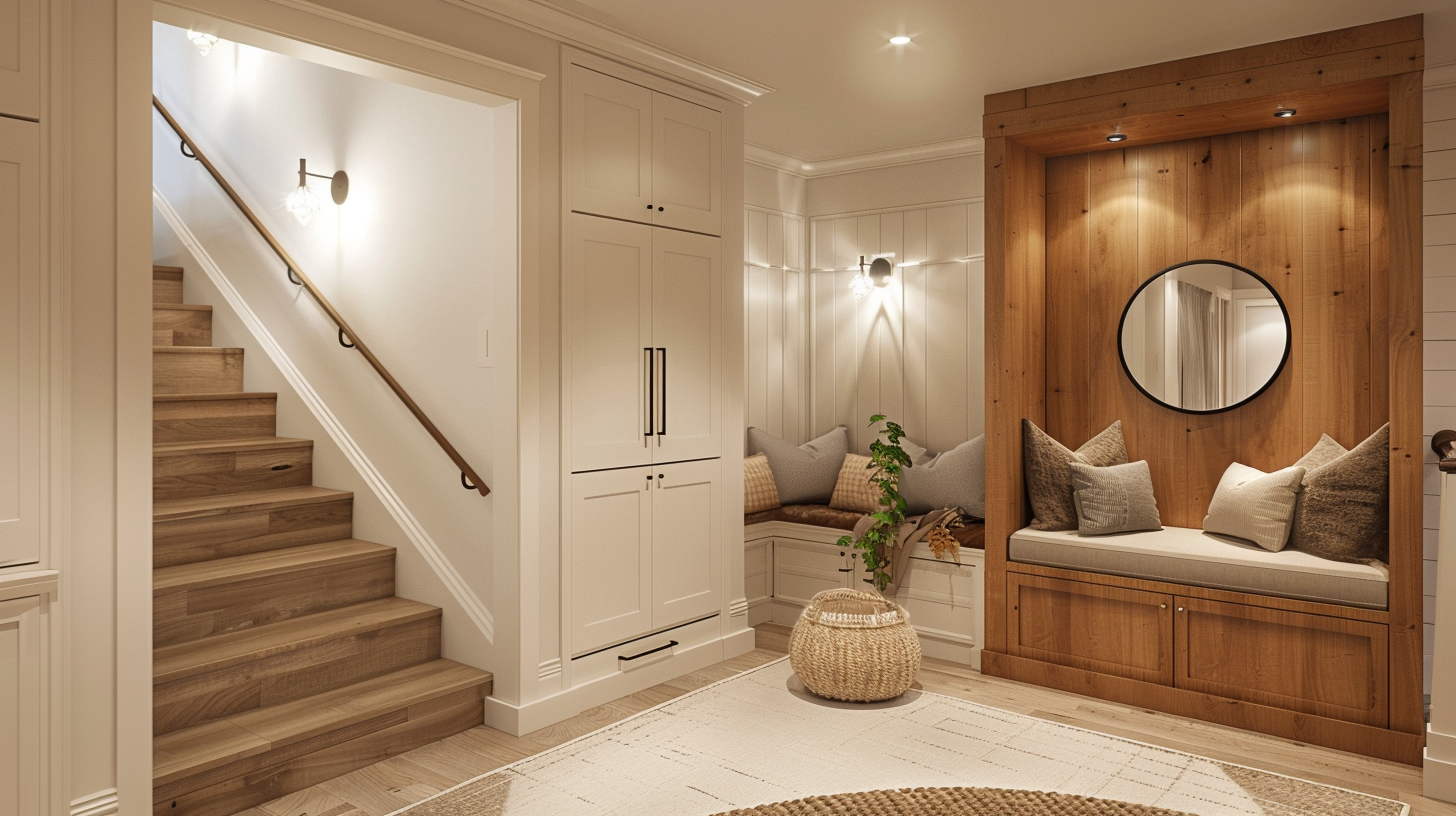
- Bench seating with concealed compartments
- Nesting tables that can expand when needed
The goal is to maximize functionality without increasing visual clutter.
Furniture that serves multiple purposes reduces the need for additional pieces and preserves valuable floor area.
Vertical Space Is Often Underutilized
When floor space is limited, walls become increasingly important.
Many small environments fail to take advantage of available vertical space, leaving significant storage and organizational opportunities unused.
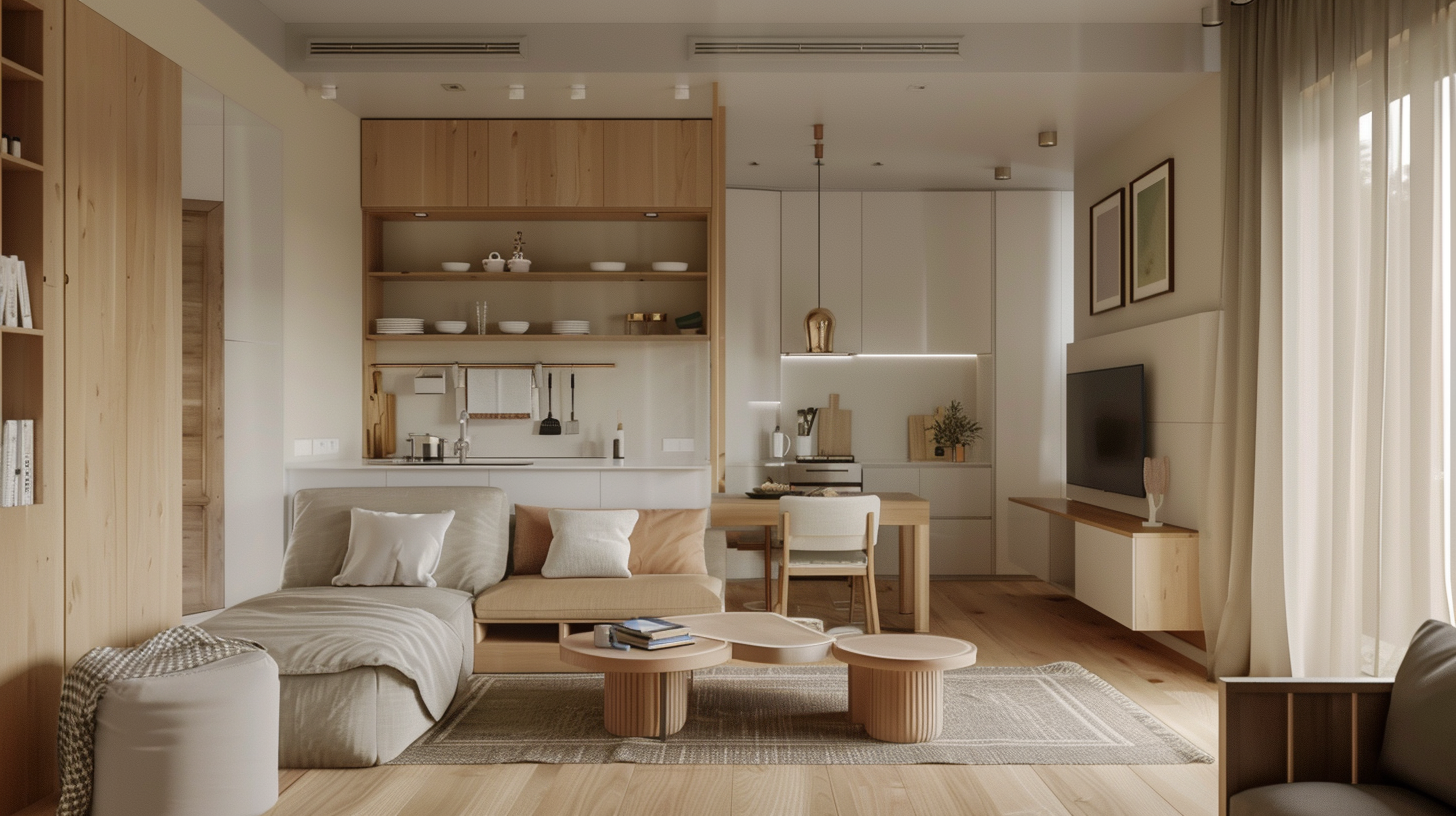
Wall-mounted shelving, tall cabinetry, vertical storage systems, and integrated millwork can dramatically increase functionality without affecting circulation.
In many cases, the most effective storage solutions move upward rather than outward.
This allows rooms to remain open while improving capacity.
Visual Simplicity Makes Spaces Feel Larger
Not every design solution requires adding more functionality.
Sometimes the greatest improvement comes from reducing visual complexity.
Small spaces can become overwhelming when too many finishes, colors, patterns, and decorative elements compete for attention.
Visual simplicity helps create a sense of openness.
This does not require a minimalist aesthetic. It simply requires restraint.
Consistent materials, cohesive color palettes, and thoughtful organization allow the eye to move through the environment more easily, making the space feel larger.
Storage Should Be Integrated, Not Added Later
Storage challenges are common in compact environments because storage is often treated as an afterthought.
When storage is added reactively, it frequently consumes valuable floor area and contributes to visual clutter.
The strongest small-space layouts integrate storage into the design from the beginning.
This might include:
- Built-in millwork
- Under-bed storage
- Integrated cabinetry
- Window-seat storage
- Custom shelving systems
When storage becomes part of the architecture, the environment feels more organized and intentional.
Lighting Can Change Perception Dramatically
Lighting has a significant impact on how spacious a room feels.
Poorly lit spaces often feel smaller, regardless of their actual dimensions.
Natural light remains one of the most effective tools for creating openness, but artificial lighting can achieve similar results when layered effectively.
Combining ambient, task, and accent lighting helps eliminate dark corners and creates visual depth throughout the room.
The result is a space that feels larger and more welcoming.
Small Spaces Benefit From Better Decisions, Not More Stuff
Many people approach compact environments by searching for ways to fit additional furniture, storage, or functionality into the room.
Often, the better solution is making stronger decisions about what belongs there in the first place.
The most successful small spaces are rarely filled to capacity.
They are carefully edited.
Every element contributes to the way the room functions, and unnecessary components are removed.
This intentionality creates clarity, comfort, and flexibility.
Designing for How the Space Is Actually Used
Ultimately, successful small-space design is not about making a room feel larger than it is.
It is about making the room work better.
Layouts that prioritize circulation, integrated storage, flexibility, and visual simplicity allow compact environments to support daily life far more effectively.
Because when every square foot matters, good design is less about size and more about strategy.