
NYC Space Challenges & Solutions
Manhattan’s commercial real estate market presents unique challenges for small businesses, with average rents reaching $82 per square foot annually and minimum lease requirements often exceeding actual needs. In neighborhoods like Tribeca and SoHo, creative firms struggle to balance prestigious addresses with sustainable overhead, while Financial District startups face the paradox of needing professional spaces without enterprise budgets.
The mathematics of NYC small office spaces are unforgiving. A modest 2,000 square foot office costs $164,000 annually in rent alone, before considering utilities, insurance, and maintenance. This reality forces businesses to extract maximum value from every square inch, transforming space optimization from a nice-to-have into a survival imperative. Our analysis reveals that inefficient layouts waste 25-35% of usable space—equivalent to burning $41,000-$57,400 annually in a typical small Manhattan office.
Building constraints compound these challenges. Pre-war buildings in Chelsea and the Village feature charming but inefficient layouts with structural columns disrupting flow. Modern glass towers impose different limitations through fixed HVAC zones and window mullions dictating furniture placement. NYC’s strict building codes, particularly regarding egress and accessibility, further restrict layout options in spaces where every foot counts.
Yet successful small office optimization isn’t about cramming more into less—it’s about intelligent design that makes spaces feel larger while functioning better. Psychological research demonstrates that perceived spaciousness impacts productivity more than actual square footage. Employees in well-designed 1,500 square foot offices report higher satisfaction than those in poorly planned 2,500 square foot spaces.
At DIG Interior Design Solutions, we’ve transformed countless small NYC offices from cramped quarters into efficient, inspiring workspaces. Our Staten Island conference room project maximized a 400 square foot space to comfortably accommodate 12 people. Principal Deanna D’Addario Martinez brings decades of experience solving NYC’s unique spatial puzzles, understanding that success requires balancing code compliance, functionality, and employee wellbeing.
Vertical Storage Strategies
Vertical space remains NYC’s most underutilized asset, with typical 9-12 foot ceiling heights offering 50-75% more volume than floor area alone. Strategic vertical storage can recover 30-40% of floor space while improving organization and accessibility compared to traditional lateral filing systems.
Floor-to-Ceiling Solutions
Custom millwork extending to ceiling height maximizes storage capacity while creating clean, architectural lines that enhance rather than clutter spaces. Open shelving above eye level (6 feet) stores rarely accessed items—archived files, seasonal decorations, extra supplies—without impeding daily workflow. Closed cabinets between 3-6 feet hold frequently used materials within easy reach. Lower sections accommodate printer stations, personal storage, or ventilated CPU storage.
Modular shelving systems offer flexibility for evolving needs. Industrial wire shelving suits Brooklyn creative offices, supporting 600 pounds per shelf at fraction of built-in costs. European cabinet systems like Häfele or Blum provide sophisticated solutions with soft-close mechanisms and pull-out organizers maximizing deep storage accessibility. Track-mounted systems allow reconfiguration as storage needs change without wall damage—critical in leased spaces.
Wall-Mounted Work Surfaces
Floating desks attached to walls eliminate leg structures that consume floor space and impede traffic flow. Cantilever designs supporting 200 pounds accommodate full workstation setups while maintaining clear floor area underneath for storage or seating. Fold-down desks in conference rooms provide overflow workspace during busy periods, then disappear when meeting space is needed.
Wall-mounted monitor arms free desktop real estate while improving ergonomics. Documents holders, phone chargers, and desk accessories mounted on wall rails or magnetic strips keep surfaces clear. Vertical cable management through wall-mounted channels eliminates floor-level trip hazards while maintaining clean aesthetics. Our Queens startup clients gained 15% more usable desktop space through strategic wall mounting.
Overhead Storage Systems
Suspended storage utilizing dead space above circulation paths provides substantial capacity without impeding movement. Ceiling-mounted bins accessed via library ladders store archived materials. Pulley systems lower seasonal items when needed. Mezzanine structures in high-ceiling spaces create entire storage levels, though NYC building codes require careful engineering for loads exceeding 15 pounds per square foot.
Custom layout planning ensures vertical storage enhances rather than overwhelms small spaces. Proper lighting prevents shadows that make spaces feel smaller. Light colors and glass fronts maintain visual openness. Strategic mirror placement amplifies natural light while creating depth perception.
Multi-Functional Furniture Selection
Furniture serving multiple purposes maximizes functionality without multiplying footprint—essential for NYC offices where every piece must earn its space. Smart furniture investments can effectively add 20-30% functional capacity without increasing square footage.
Transformable Work Surfaces
Height-adjustable desks transition between sitting and standing configurations, but in small offices they serve additional purposes. Raised to standing height, they become impromptu meeting spaces for quick consultations. Mobile sit-stand desks on locking casters transform from individual workstations to collaborative tables when grouped. Electric models with memory settings ensure quick transitions between uses.
Expandable tables accommodate varying meeting sizes without permanent space commitment. Butterfly-leaf designs extend 6-foot tables to 10 feet for presentations. Nesting tables separate for breakout sessions or combine for all-hands meetings. Flip-top tables fold and roll away when floor space is needed for events or exercises. Quality mechanisms withstand daily transformation—critical for pieces serving multiple functions.
Storage-Integrated Seating
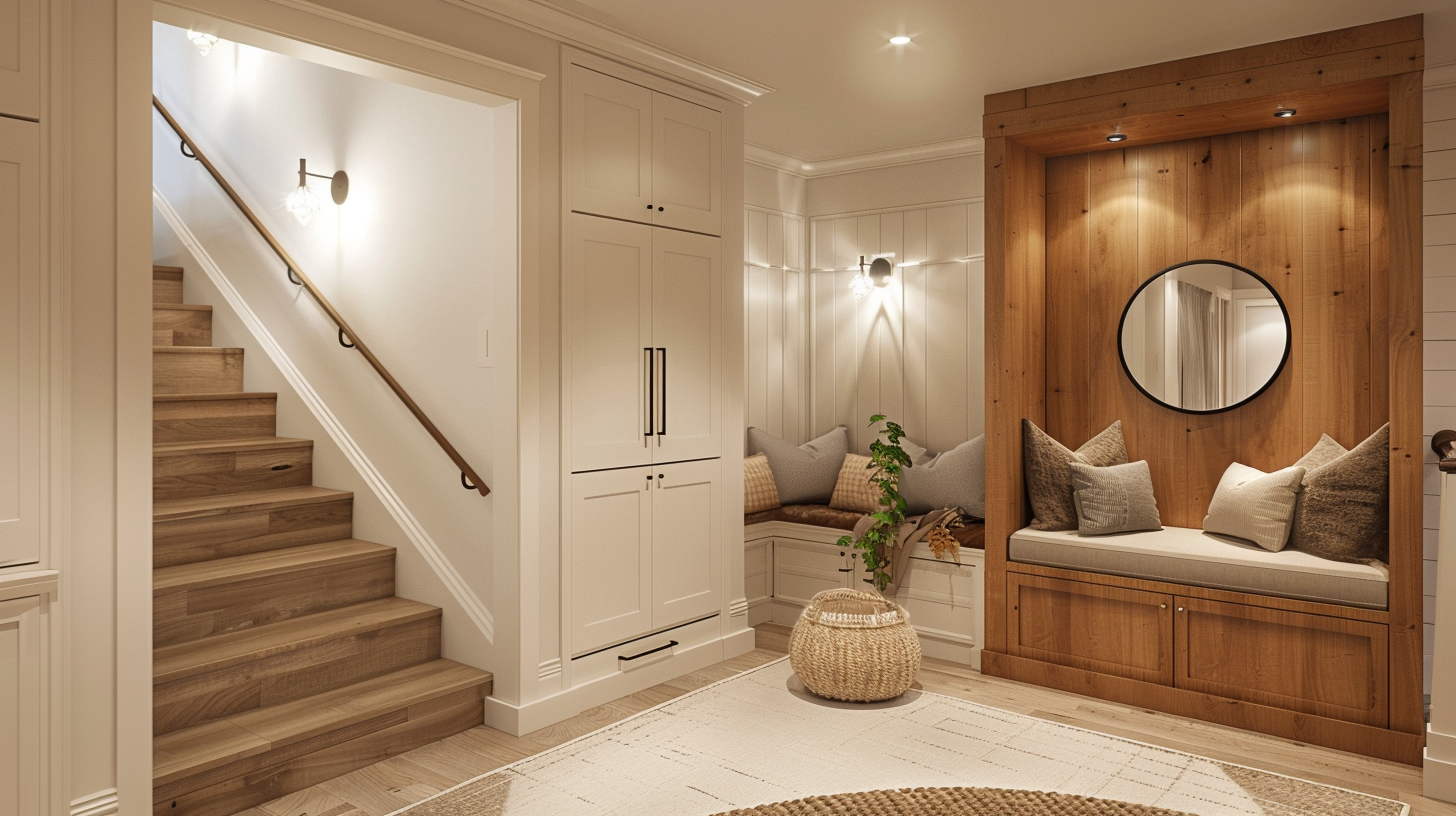
Benches with hidden storage compartments line walls providing overflow seating while concealing supplies, personal items, or technology equipment. Ottoman storage cubes offer flexible seating, footrests, or impromptu side tables while organizing materials inside. Banquette seating with drawer bases maximizes dining area functionality, creating comfortable meeting spaces with substantial storage below.
Modular soft seating systems reconfigure from individual focus pods to collaborative arrangements. Components include storage backs holding books and supplies, power/data integration for device charging, and acoustic properties reducing ambient noise. While initial investment exceeds traditional seating, the multifunctionality delivers superior value per square foot.
Convertible Meeting Spaces
Murphy-style conference tables fold against walls transforming meeting rooms into event spaces, training rooms, or temporary workspaces. Integrated whiteboards on table undersides provide instant writing surfaces when raised. Built-in cable management and power access eliminate setup time between configurations.
Room dividers with integrated storage, displays, and acoustic treatment serve quadruple duty. Sliding panels open spaces for all-hands meetings or close for private conversations. Whiteboard surfaces enable impromptu brainstorming. Display mounting supports digital signage or artwork. Our space-saving furniture options help Manhattan firms achieve maximum flexibility.
Optical Illusions for Spaciousness
Strategic design techniques manipulate perception, making small offices feel substantially larger without structural changes. These psychological approaches cost fraction of physical expansion while delivering comparable satisfaction improvements.
Color and Contrast Strategies
Light colors reflect up to 80% of light compared to 10% for dark shades, dramatically impacting perceived space. Pure white can feel sterile, but warm whites (Benjamin Moore’s Cloud White or Farrow & Ball’s Pointing) maintain brightness while adding warmth. Pale blues recede visually, pushing walls outward. Soft grays provide neutral backdrops without heaviness.
The 60-30-10 rule maintains visual balance: 60% dominant light color, 30% secondary medium tone, 10% accent color. Painting ceiling 20% lighter than walls creates height illusion. Continuing wall color onto ceiling’s first 6-12 inches further extends perceived height. Horizontal stripes widen narrow spaces while vertical stripes increase apparent height.
Mirror and Reflection Techniques
Strategic mirror placement doubles visual space while amplifying natural light. Full-height mirrors on walls perpendicular to windows reflect outdoor views, creating second “windows.” Mirrored closet doors disguise storage while expanding space. Antiqued or tinted mirrors add depth without harsh reflections that cause discomfort.
Glossy surfaces—polished concrete floors, lacquered furniture, glass partitions—create subtle reflections adding dimensional depth. Metallic accents in brushed nickel or chrome provide reflection without mirror intensity. Even artwork behind glass contributes to spatial expansion through controlled reflection.
Lighting Layers
Layered lighting eliminates shadows that define spatial boundaries, creating ambiguous edges that feel expansive. Uplighting washes walls with indirect illumination, making them appear to recede. Cove lighting around ceiling perimeters creates floating effect, adding perceived height. Under-cabinet lighting eliminates shadows that make spaces feel cramped.
Natural light maximization remains paramount. Removing heavy window treatments increases daylight penetration by 15-20%. Sheer curtains or adjustable blinds provide privacy without blocking light. Light shelves bounce daylight deeper into spaces. Our Midtown projects consistently achieve 25% perceived space increase through lighting optimization alone.
Smart Layout Planning
Intelligent space planning in small NYC offices requires understanding traffic patterns, adjacencies, and multipurpose zones that maximize utility while maintaining comfort. Data-driven layouts based on actual usage patterns outperform theoretical plans by 30-40% in efficiency metrics.
Circulation Optimization
Efficient circulation paths consume maximum 25% of total square footage compared to 35-40% in poorly planned spaces. Primary paths require 42-inch width for comfortable two-way traffic and ADA compliance. Secondary paths can narrow to 36 inches for single-file movement. Diagonal paths through open areas reduce travel distance while creating dynamic sight lines.
Furniture placement guides natural movement without barriers. Angled desks funnel traffic away from work areas. Curved edges prevent bottlenecks at intersections. Storage units double as wayfinding elements defining paths without walls. Avoiding dead-end layouts ensures multiple routes preventing congestion during fire egress—critical for NYC code compliance.
Zone-Based Planning
Activity-based zoning segregates noisy and quiet functions preventing conflicts in close quarters. Focus zones positioned away from entry points minimize disruption. Collaborative areas near kitchens and entries capture natural gathering energy. Phone booths buffer between zones providing acoustic transition.
Flexible zones adapt throughout the day. Morning coffee stations become afternoon collaboration points. Lunch areas transform into event spaces. Reception doubles as overflow workspace during peak periods. This temporal zoning effectively multiplies space capacity without physical expansion.
Adjacency Optimization
Strategic adjacencies reduce wasted movement and space. Printers near supplies eliminate multiple trips. Coffee stations adjacent to informal meeting areas encourage productive encounters. Storage near point of use prevents hoarding at desks. IT equipment centralized in ventilated closets frees floor space while simplifying maintenance.
Vertical adjacencies utilize floor-to-ceiling relationships. Files above related workstations maintain organization. Supplies stacked vertically by frequency of use optimize retrieval. Technology infrastructure running vertically through furniture systems eliminates floor-level cable management.
Technology for Space Saving
Smart technology eliminates physical infrastructure and furniture requirements, recovering valuable square footage while improving functionality. Digital transformation in small offices can reduce physical storage needs by 60-70% and eliminate entire categories of space-consuming equipment.
Wireless Infrastructure
Eliminating wired networks recovers 5-10% of floor space typically consumed by cable runs, floor boxes, and connection points. WiFi 6E technology supports 100+ devices per access point with gigabit speeds, handling dense deployments in small spaces. Mesh networks ensure comprehensive coverage without dead zones that force furniture placement around connectivity.
Wireless presentation systems eliminate conference room cable clutter while enabling instant screen sharing from any device. Wireless charging surfaces integrated into desks and tables remove cable management needs. Bluetooth peripherals—keyboards, mice, headsets—reduce desktop cable density 70%. Our Brooklyn tech clients report 15% space efficiency improvement through comprehensive wireless deployment.
Cloud Storage Solutions
Cloud document management eliminates filing cabinets that consume 15-20 square feet each. A four-drawer cabinet holding 10,000 pages requires 7 square feet including access space—at Manhattan rates, that’s $574 annually for paper storage. Cloud storage costs under $100 yearly with infinite capacity, superior organization, and instant access from anywhere.
Digital workflows reduce printer/copier footprints from 50 square feet (including supplies and access) to single multifunction devices requiring 10 square feet. Print management software reducing unnecessary printing by 40% further minimizes supply storage needs. Scan-to-cloud capabilities eliminate physical document routing and storage.
Smart Building Controls
IoT sensors and smart controls optimize space usage without human intervention. Occupancy sensors adjust lighting and HVAC in unused areas, reducing energy costs 20-30% while maintaining comfort. Desk booking systems maximize hot-desking efficiency in hybrid models. Room scheduling displays prevent double-booking and identify underutilized spaces for reallocation.
Environmental monitoring ensures small spaces remain comfortable despite density. CO2 sensors trigger ventilation when conference rooms fill. Temperature sensors identify hot spots requiring airflow adjustment. Noise monitors alert when acoustic levels impact productivity. These systems cost under $50 per sensor but prevent productivity losses from poor environmental conditions.
Maximize Your Office Space with DIG Interior Design Solutions’ proven optimization strategies.
Natural Light Maximization
Natural light makes small spaces feel exponentially larger while reducing energy costs and improving occupant wellbeing. NYC’s building density makes daylight precious, requiring strategic approaches to capture and distribute available light throughout compact offices.
Window Optimization
Every square inch of window area matters in small offices. Removing or minimizing window treatments increases light transmission by 15-20%. When privacy is required, bottom-up blinds maintain privacy while allowing light through upper portions. Electrochromic glass, though costing $50-100 per square foot, provides dynamic tinting eliminating blinds entirely.
Window placement relative to workstations affects both light distribution and glare. Perpendicular desk positioning prevents direct glare while maximizing ambient light. Light-colored window frames reflect additional light inward. Regular window cleaning—often neglected—improves light transmission by 10-15%. Our Chelsea office designs prioritize window access for all employees, not just executives.
Light Distribution Strategies
Light shelves—horizontal surfaces above eye level—bounce daylight toward ceilings, extending useful daylight zones from 15 to 25 feet from windows. Interior versions integrate with suspended ceilings while exterior shelves also provide shading. White or metallic finishes maximize reflection, though some clients prefer wood finishes accepting 30% reduced performance for aesthetic coherence.
Glass partitions with minimal frames allow light penetration while maintaining acoustic privacy. Clerestory windows above partition height share light between offices. Transoms over doors spread corridor lighting. Even small openings—6 inches high by room width—significantly improve light distribution without sacrificing privacy.
Artificial Light Integration
When natural light proves insufficient, full-spectrum LEDs (5000K color temperature, 90+ CRI) provide near-daylight quality. Indirect lighting bounced off ceilings creates shadowless illumination mimicking skylight. Task lighting at workstations reduces ambient lighting needs by 30% while improving visibility for detailed work.
Circadian lighting systems adjusting color temperature throughout the day support natural energy patterns—cool morning light promoting alertness, warm afternoon light reducing eye strain. While adding 20% to lighting costs, these systems improve productivity and reduce fatigue in windowless spaces.
Case Studies Under 2000 sq ft
Real-world transformations demonstrate how strategic design conquers NYC’s small office challenges, delivering functionality and inspiration within minimal footprints.
Financial Advisory Firm – 1,200 sq ft, Financial District
A boutique investment firm needed private offices for four partners, workstations for six analysts, a conference room for eight, and reception area within 1,200 square feet. Traditional layouts accommodated only 60% of requirements. Our solution utilized every optimization strategy, achieving 100% program fulfillment while feeling spacious.
Glass-fronted partner offices with sliding doors maintain privacy when needed while sharing natural light. Offices measure just 80 square feet but feel larger through light colors, wall-mounted storage, and glass partitions. Analyst workstations use 30-inch deep desks against windows, maximizing natural light while minimizing footprint. Built-in storage underneath eliminates filing cabinets.
The conference room features a wall-mounted flip-down table storing flat when not used, transforming into a lounge area with modular seating containing presentation materials. Accordion glass doors open to combine with reception for 20-person events. The design increased usable space by 35% while reducing perceived density.
Creative Agency – 1,800 sq ft, Brooklyn
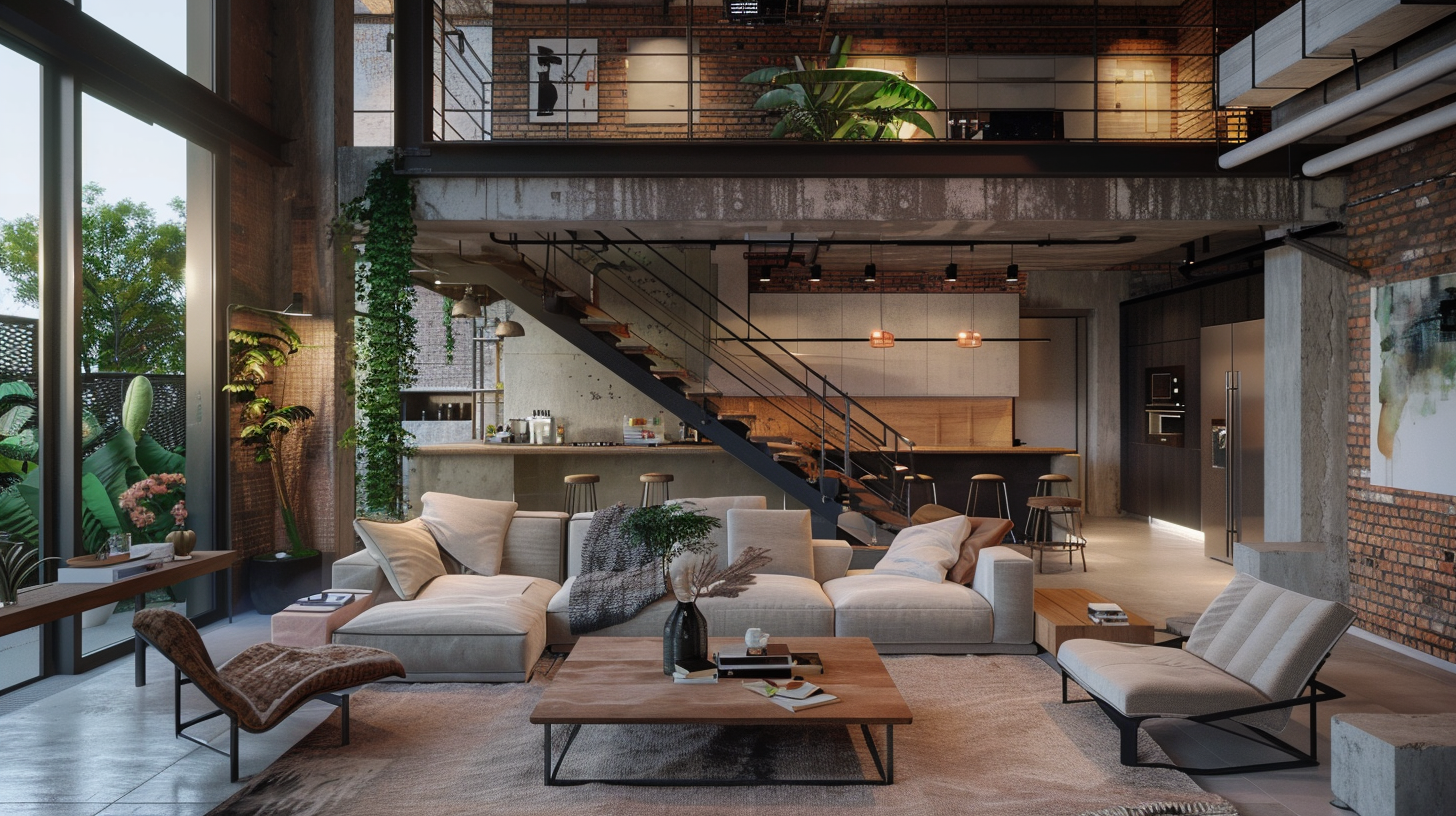
A 15-person creative agency in DUMBO maximized industrial loft space through vertical solutions and flexible furniture. The 14-foot ceilings allowed mezzanine installation creating 400 square feet of storage and quiet phone booths above. Library ladders provide access while adding industrial character fitting the brand.
Custom workbenches on wheels reconfigure from individual desks to project tables in minutes. Wall-mounted monitors free desktop space for creative work. Pegboard systems hold tools and supplies vertically, maintaining organization while adding visual interest. The kitchen island doubles as standing meeting space and social hub.
The transformation cost $65,000—$36 per square foot—while achieving spatial efficiency typically requiring 2,800 square feet. Employee satisfaction scores increased 40% with particular praise for natural light access and collaboration flexibility. Client win rate improved 25% with the space becoming a competitive differentiator.
Tech Startup – 1,500 sq ft, Chelsea
A software startup needed to accommodate 20 employees with growth potential for 30 within their existing 1,500 square foot lease. Traditional planning suggested immediate expansion, but our optimization strategy delayed moving costs for two years while supporting 100% growth.
Hot-desking with 1.5:1 ratio recognizes that 30% of staff are typically out for meetings, travel, or remote work. Lockers and mobile pedestals provide personal storage. Phone booths carved from dead corner space offer private call spaces. The central conference table converts to additional workstations during all-hands days.
Vertical monitors save 40% of desktop space compared to dual horizontal screens. Ceiling-mounted plants add biophilic elements without consuming floor space. Under-desk CPU holders and cable management eliminate floor clutter. The optimization supported growth to 28 employees before expansion became necessary, saving $180,000 in prevented relocation costs.
ROI of Space Optimization
Space optimization in NYC small offices delivers measurable returns through direct cost savings and indirect productivity benefits. Our analysis across dozens of Manhattan projects reveals consistent 2.5-4x ROI within 24 months.
Direct Cost Savings
Avoiding expansion through optimization saves $50-100 per square foot annually in additional rent. A business delaying 500 square foot expansion for two years saves $100,000-200,000. Reduced space requirements in lease renewals leverage negotiation—demonstrating efficient use often yields 10-15% rate reductions from landlords preferring stable tenants.
Energy efficiency from optimized layouts reduces costs 15-20%. Better natural light utilization cuts lighting expenses $1-2 per square foot. Improved HVAC zoning from proper space planning reduces conditioning costs 10-15%. Combined utility savings of $3-5 per square foot annually provide meaningful offset to optimization investments.
Storage optimization eliminates off-site storage averaging $200-500 monthly for small businesses. Cloud storage replacing filing cabinets saves physical space worth $1,500-2,500 annually at Manhattan rates. Reduced printing from digital workflows saves $200-400 monthly in supplies and maintenance.
Productivity Improvements
Employees in optimized small offices report 22% higher satisfaction than those in cramped, inefficient spaces. This translates to 8-10% productivity improvement worth $6,000-8,000 per employee annually. Reduced sick days from better air quality and natural light save additional $2,000 per employee.
Better collaboration spaces reduce meeting times by 15% through improved focus and fewer technical delays. Efficient layouts save 10 minutes daily in reduced movement and searching—equivalent to one week annually per employee. Improved organization from vertical storage and digital systems reduces time waste by 30 minutes weekly.
Competitive Advantages
Professional, efficient spaces improve client perceptions supporting premium pricing. Companies report 15-20% higher close rates when meeting clients in optimized offices versus cramped spaces. Employee recruitment improves with candidates viewing space efficiency as indicative of operational excellence.
Space optimization demonstrates fiscal responsibility to investors and stakeholders. Efficient use of resources indicates management competence beyond real estate. This “halo effect” influences financing terms, partnership opportunities, and acquisition valuations.
Investment Requirements
Comprehensive optimization typically costs $50-100 per square foot including furniture, technology, and construction. For 1,500 square foot office, investment ranges $75,000-150,000. This seems substantial but compares favorably to expansion costs exceeding $200,000 annually for equivalent space.
Phased implementation spreads costs while delivering incremental benefits. Phase one addressing storage and furniture might cost $25,000 while improving efficiency 15%. Phase two adding technology and lighting for $35,000 gains another 20%. Final architectural modifications completing optimization cost $40,000 but achieve full 35% improvement.
Get Your Free Space Assessment and discover your office’s optimization potential with detailed ROI projections.
DIG Interior Design Solutions specializes in small office optimization throughout New York City. From Financial District boutique firms to Brooklyn creative studios, we transform confined spaces into efficient, inspiring environments. Principal Deanna D’Addario Martinez and our expert team bring decades of experience maximizing NYC’s challenging small offices. Contact us to unlock your space’s hidden potential.