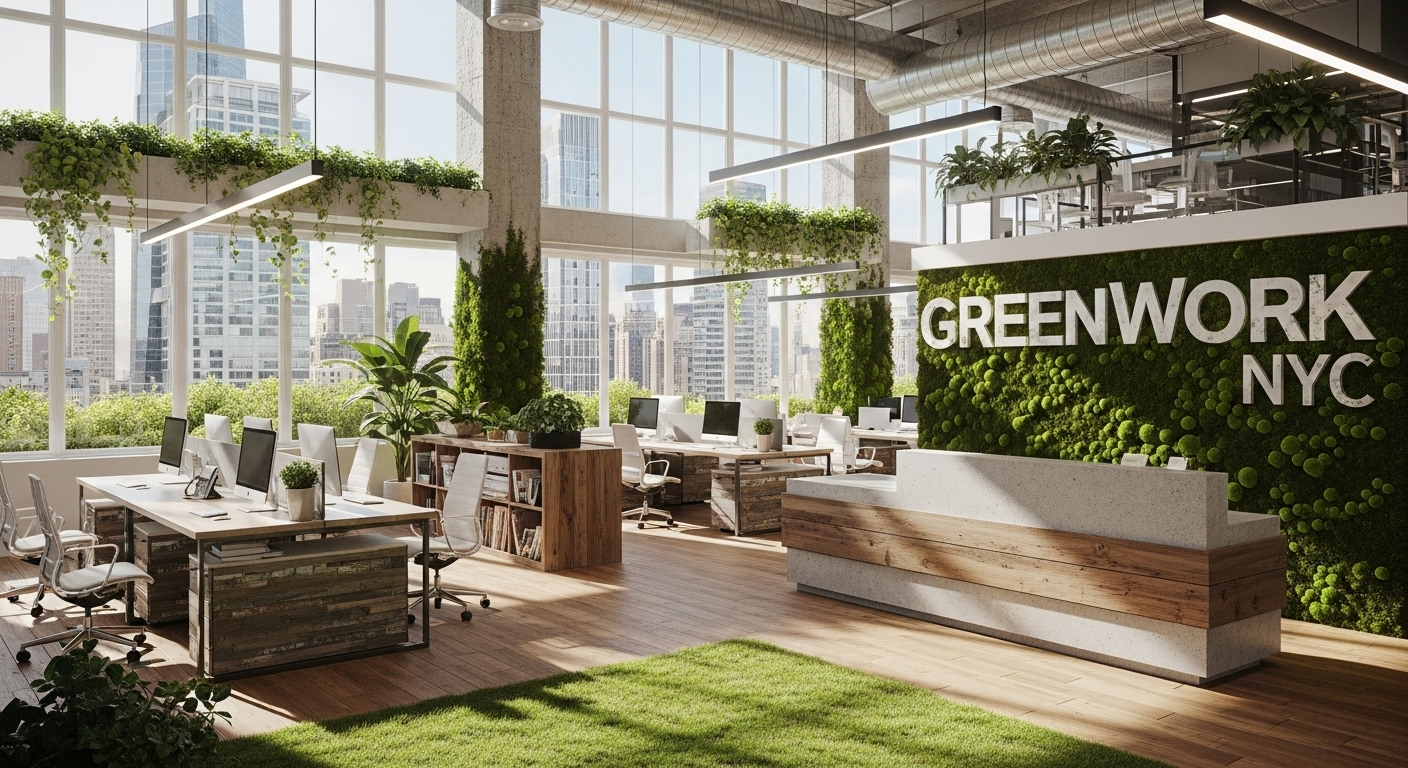
In a city as forward-thinking as New York, modern businesses are increasingly recognizing that their responsibilities extend beyond the bottom line. A commitment to environmental stewardship is no longer a niche interest but a core component of corporate identity. This is where sustainable office design in NYC comes into play. More than just an ethical choice, “green” interior design is a smart business strategy that enhances brand reputation, improves employee well-being, and delivers long-term financial benefits.
Sustainable design, also known as eco-friendly or green design, is a holistic approach to creating interior spaces that minimize negative impacts on the environment while maximizing positive effects on human health. It’s about making conscious choices at every stage of the design process, from material selection to energy consumption, to build a better future from the inside out.
What is Sustainable or “Green” Office Design?
Sustainable office design is a multi-faceted discipline focused on three key areas:
- Resource Conservation: This involves selecting materials that are renewable, recycled, or sourced responsibly to reduce depletion of natural resources. It also includes strategies for minimizing waste during construction and throughout the office’s life cycle.
- Energy Efficiency: The goal is to reduce the building’s energy footprint through smart design choices. This includes maximizing natural light, installing energy-efficient artificial lighting systems, and selecting appliances with high energy-star ratings.
- Healthy Indoor Environments: This focuses on creating spaces that are safe and healthy for occupants. A primary concern is improving indoor air quality (IAQ) by specifying non-toxic materials and ensuring proper ventilation.
The Tangible Benefits of Going Green
Adopting sustainable design principles offers a powerful trifecta of benefits for any NYC business, proving that what’s good for the planet is also good for people and profits.
Lower Operating Costs
While some sustainable materials may have a higher initial cost, the long-term savings are significant.
- Energy Savings: Energy-efficient lighting (like LEDs), smart thermostats, and occupancy sensors can dramatically reduce monthly utility bills.
- Water Conservation: Installing low-flow fixtures in kitchens and restrooms cuts down on water consumption and associated costs.
- Durability: Sustainable materials are often more durable and require less maintenance and replacement over time, leading to lower life-cycle costs.
Improved Employee Health and Productivity
A healthy office leads to a healthy workforce.
- Better Air Quality: Using low-VOC (volatile organic compound) paints, adhesives, and furniture reduces harmful off-gassing, leading to fewer headaches, respiratory issues, and allergies. This can decrease absenteeism and improve cognitive function.
- Biophilic Connections: Sustainable design often incorporates biophilic principles—like increased access to natural light and views, and the inclusion of plants—which are proven to reduce stress and boost creativity.
Enhanced Corporate Social Responsibility (CSR) Image
In today’s market, consumers and top talent are drawn to companies that demonstrate a genuine commitment to social and environmental issues.
- Brand Differentiation: A sustainably designed office is a powerful, tangible statement about your company’s values, helping you stand out to clients, partners, and potential employees.
- Talent Attraction and Retention: A growing number of professionals, particularly millennials and Gen Z, want to work for companies that align with their personal values. A green office can be a key differentiator in a competitive job market.
Examples of Sustainable Design in Action
Implementing sustainable office design in NYC is about making a series of smart, intentional choices. Here are some examples of what that looks like in practice:
- Recycled and Reclaimed Materials: Using reclaimed wood for accent walls, flooring made from recycled rubber, or countertops crafted from recycled glass.
- Energy-Efficient Lighting: A comprehensive strategy that pairs LED fixtures with daylight harvesting sensors that automatically dim artificial lights when sufficient natural light is present.
- Low-VOC and Non-Toxic Finishes: Specifying paints, sealants, carpets, and adhesives that are certified as low- or zero-VOC to protect indoor air quality.
- Sustainable Furniture Sourcing: Choosing furniture from manufacturers that use sustainably harvested wood (FSC-certified), recycled materials, and non-toxic finishes. This also includes refurbishing existing high-quality furniture instead of buying new.
- Water-Saving Fixtures: Installing faucets and toilets with EPA WaterSense labels.
For a more in-depth exploration of this topic, read our comprehensive guide: Sustainable Interior Design – Eco-Friendly Commercial Spaces NYC. Our commitment to green principles is woven into all of our design services.
Ready to build an office that reflects your company’s commitment to the future? Contact DIG Interior Design to learn more about our commitment to sustainable design practices and start your journey toward a healthier, more efficient, and more responsible workspace.