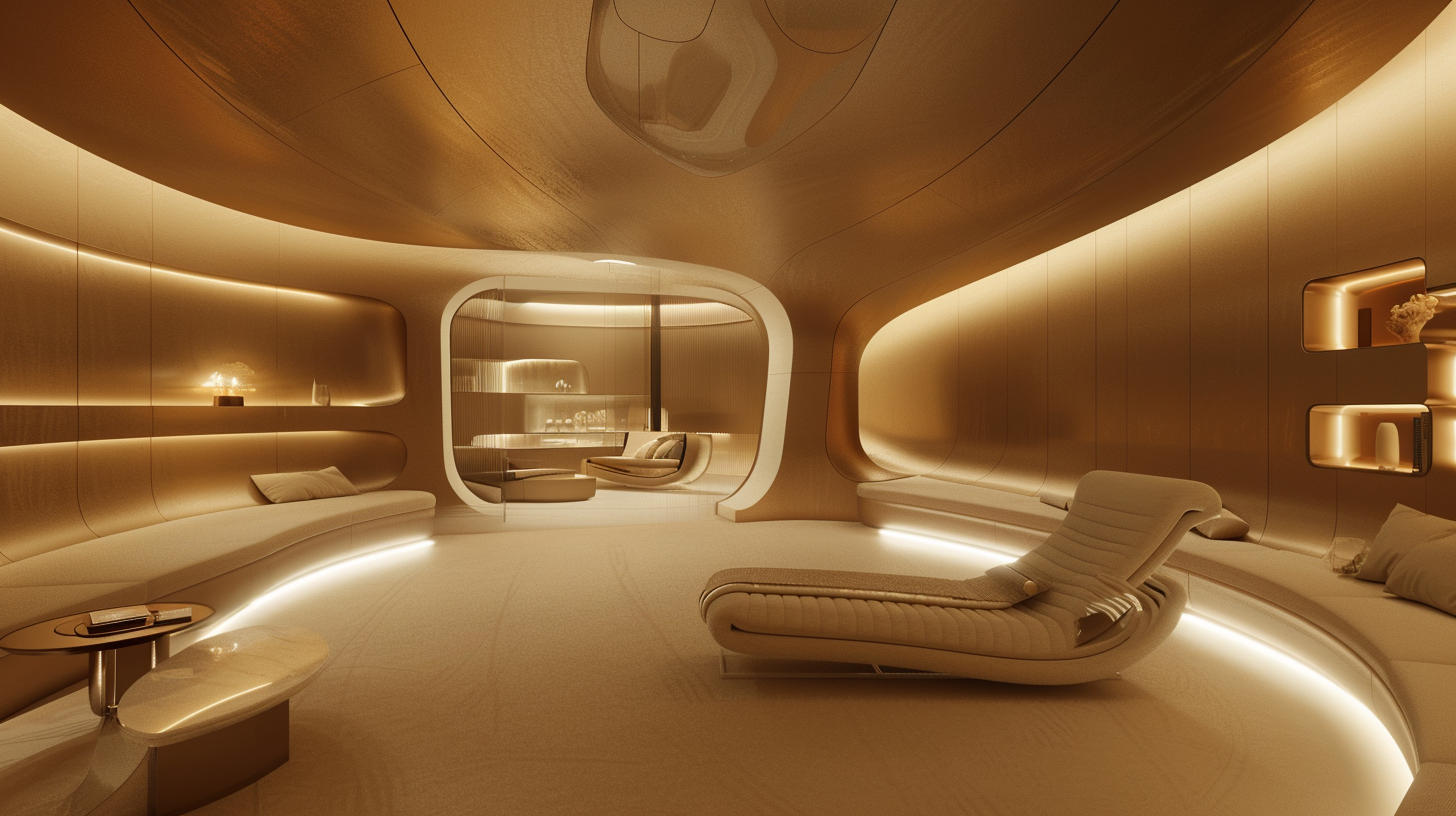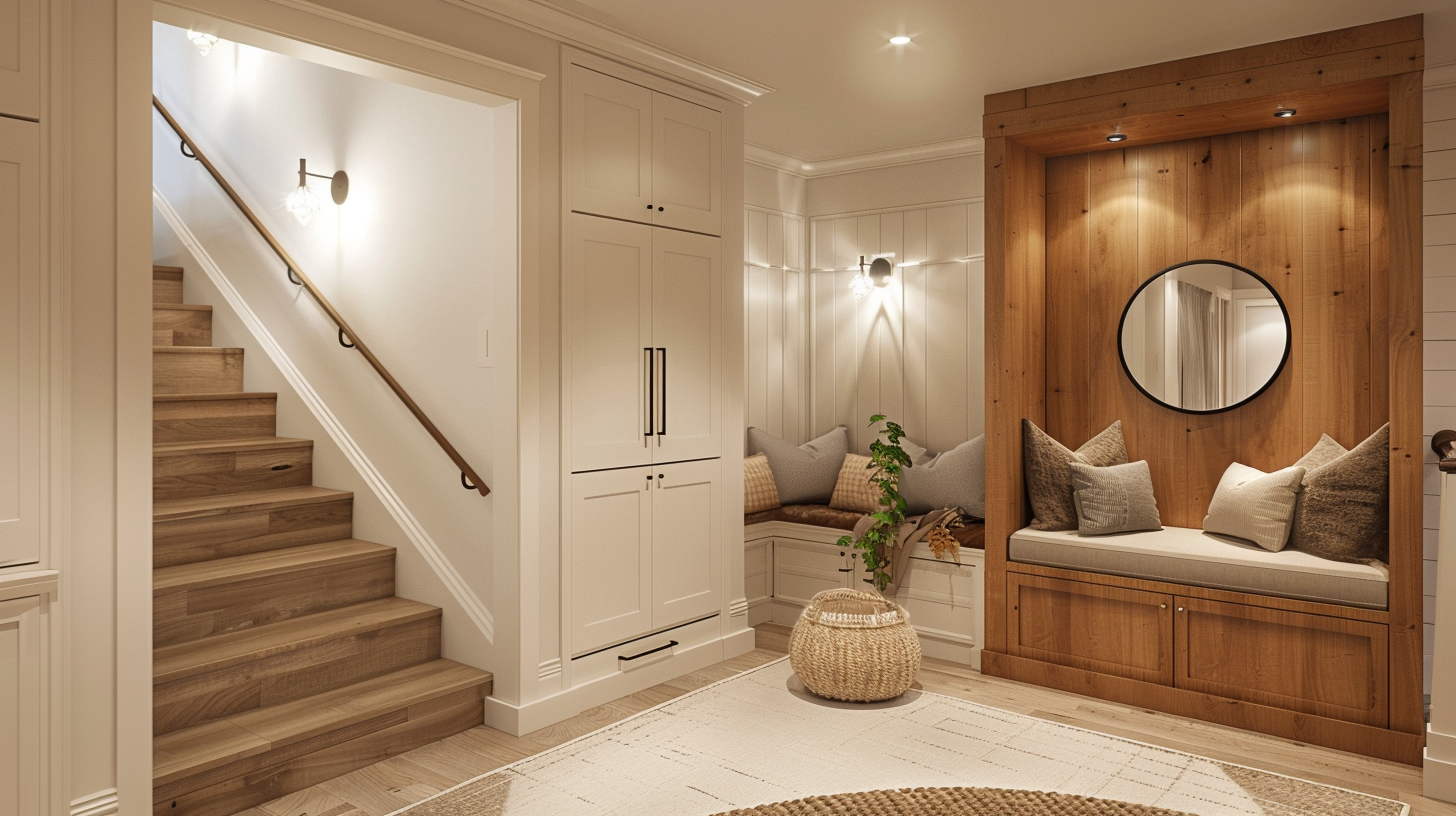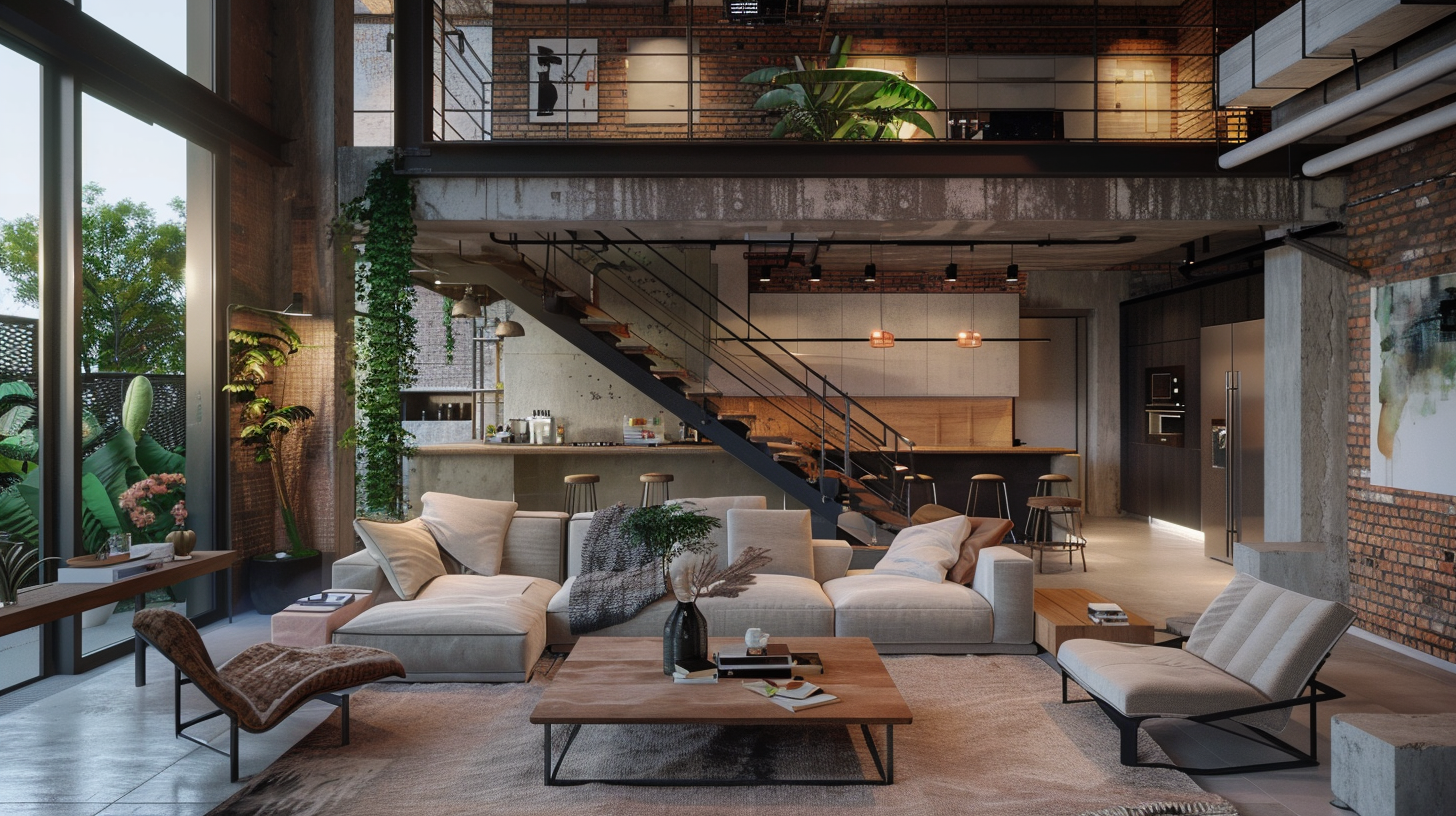
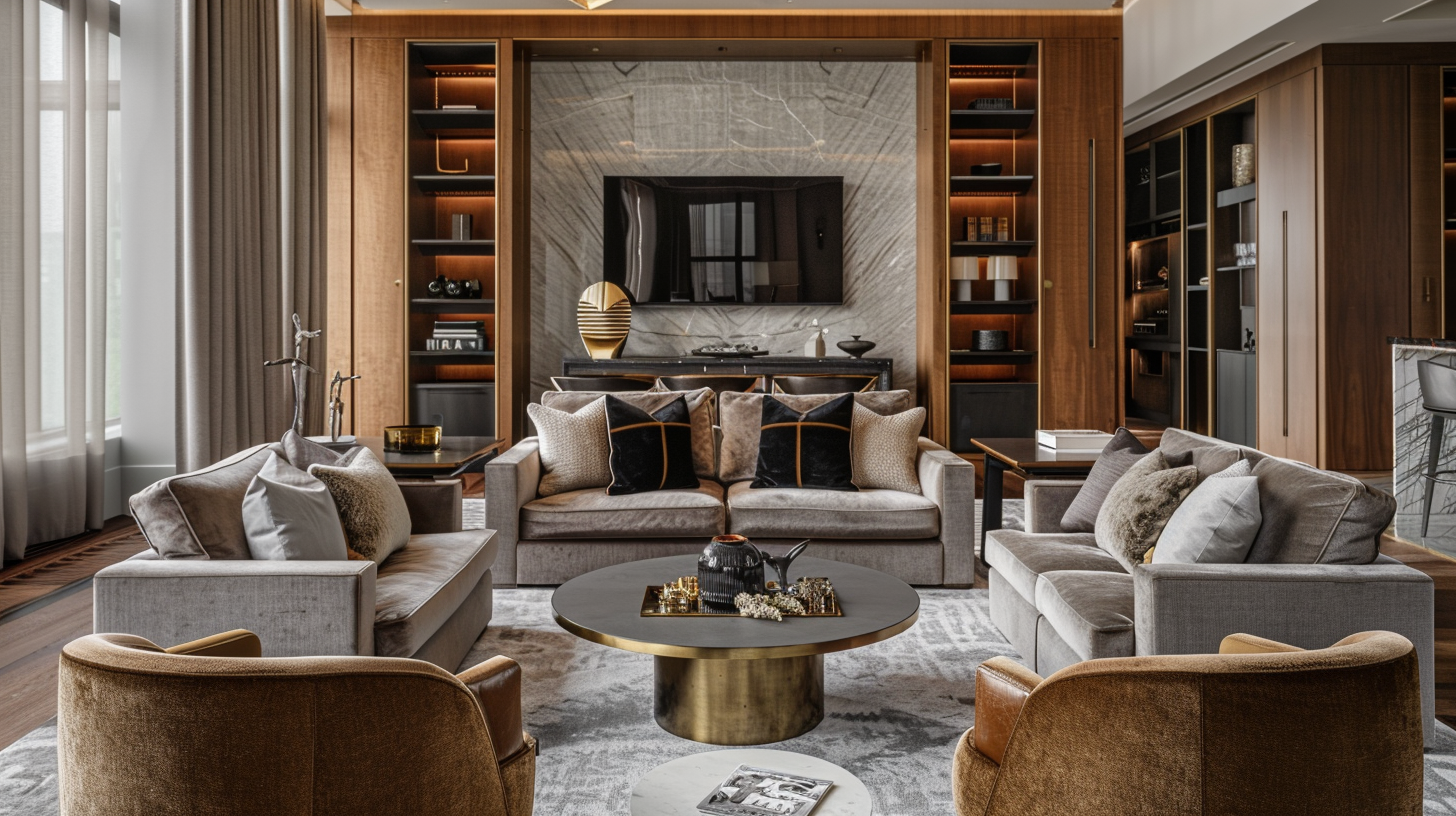
Many people assume great interiors are defined by color. In reality, some of the most sophisticated spaces rely on something far more subtle: texture.
Texture is what gives a room depth, warmth, and character. It creates visual interest even when the color palette is restrained and allows spaces to feel layered rather than flat.
This is why a room designed entirely in neutral tones can feel rich and inviting, while a room filled with color can still feel uninspired.
The difference often comes down to material contrast.
Wood, stone, metal, glass, fabric, leather, and natural fibers each contribute a unique sensory quality that shapes how a space is experienced.
Texture Creates Visual Depth
One of the biggest challenges in interior design is creating interest without creating clutter.
Texture helps solve that problem.
When multiple materials interact within the same environment, they create subtle variation that keeps the eye engaged.
A smooth marble surface next to natural wood feels more dynamic than either material alone. Soft upholstery paired with metal accents creates contrast that adds sophistication.
These relationships make spaces feel layered and intentional.
Without texture, even beautifully furnished rooms can appear visually flat.
Contrast Is More Important Than Quantity
A common misconception is that adding more materials automatically creates a more interesting interior.
In reality, successful texture mixing is about balance rather than quantity.
The strongest interiors often rely on a limited material palette with carefully selected contrasts.
For example:
- Soft velvet against matte wood
- Natural stone paired with warm textiles
- Leather combined with brushed metal
- Glass balanced by woven natural fibers
The goal is to create relationships between materials rather than introducing variety for its own sake.
Too many competing textures can make a space feel chaotic instead of curated.
Wood Brings Warmth and Stability
Wood remains one of the most versatile materials in interior design.
Its natural grain introduces texture automatically, even when finishes are relatively simple.
Wood often serves as a grounding element within a material palette because it adds warmth and familiarity.
Whether used in flooring, millwork, furniture, or architectural details, wood helps balance colder materials such as metal, glass, and stone.
This ability to create visual warmth is one reason wood continues to appear across virtually every design style.
Metal Adds Precision and Contrast
Metal introduces a different type of texture.
While wood often feels organic and soft, metal tends to feel crisp, structured, and refined.
Different finishes can dramatically alter its character:
- Brushed brass feels warm and sophisticated
- Blackened steel feels bold and architectural
- Polished chrome feels clean and contemporary
- Bronze introduces depth and richness
Metal works particularly well when used selectively as an accent rather than a dominant material.
Its strength often comes from contrast.
Textiles Bring Comfort and Softness
Few materials influence comfort as directly as textiles.
Upholstery, rugs, drapery, pillows, and woven accessories help soften hard architectural surfaces while introducing tactile richness.
Velvet, linen, wool, boucle, cotton, and leather each contribute a distinct sensory experience.
These materials help create environments that feel inviting and lived-in rather than overly polished.
Texture is not only visual. It influences how people physically interact with a space.
Stone Creates Permanence
Natural stone often serves as a visual anchor within an interior.
Its weight, variation, and inherent character create a sense of permanence that few materials can replicate.
Marble, quartzite, limestone, and travertine each bring unique qualities to a space.
Stone becomes especially effective when balanced against softer materials.
The contrast between hard and soft surfaces is one of the most powerful tools available in interior design.
Texture Helps Neutral Spaces Feel Rich
Many contemporary interiors rely on restrained color palettes.
When color variation is limited, texture becomes even more important.
A room composed primarily of beige, cream, gray, or earth tones can still feel dynamic if materials provide sufficient contrast.
This is why luxury interiors often appear understated at first glance.
The richness comes not from bold color but from layered materials and subtle tactile variation.
The Best Interiors Engage More Than One Sense
Good design extends beyond what people see.
Materials influence how spaces feel physically and emotionally.
A woven fabric creates a different response than polished stone. Warm wood communicates something different than cool metal.
Successful interiors consider these sensory relationships carefully.
The result is a space that feels complete rather than simply decorated.
Designing Through Material Relationships
The most sophisticated interiors are rarely defined by a single material.
They succeed because of the relationships between materials.
Texture creates depth, contrast, warmth, and visual balance. It allows spaces to feel layered and intentional without relying on excessive ornamentation.
Because ultimately, great design is not just about what materials are used.
It’s about how those materials work together.