Area rugs are often viewed as finishing touches—decorative elements added late in the design process to introduce color, pattern, or comfort.
In reality, rugs play a far more important role.
A well-chosen rug can define spaces, improve visual balance, influence acoustics, create warmth, and completely change how a room feels. In many interiors, the rug is doing far more work than homeowners realize.
When selected and positioned thoughtfully, rugs become one of the most effective design tools available.
Rugs Help Define Space
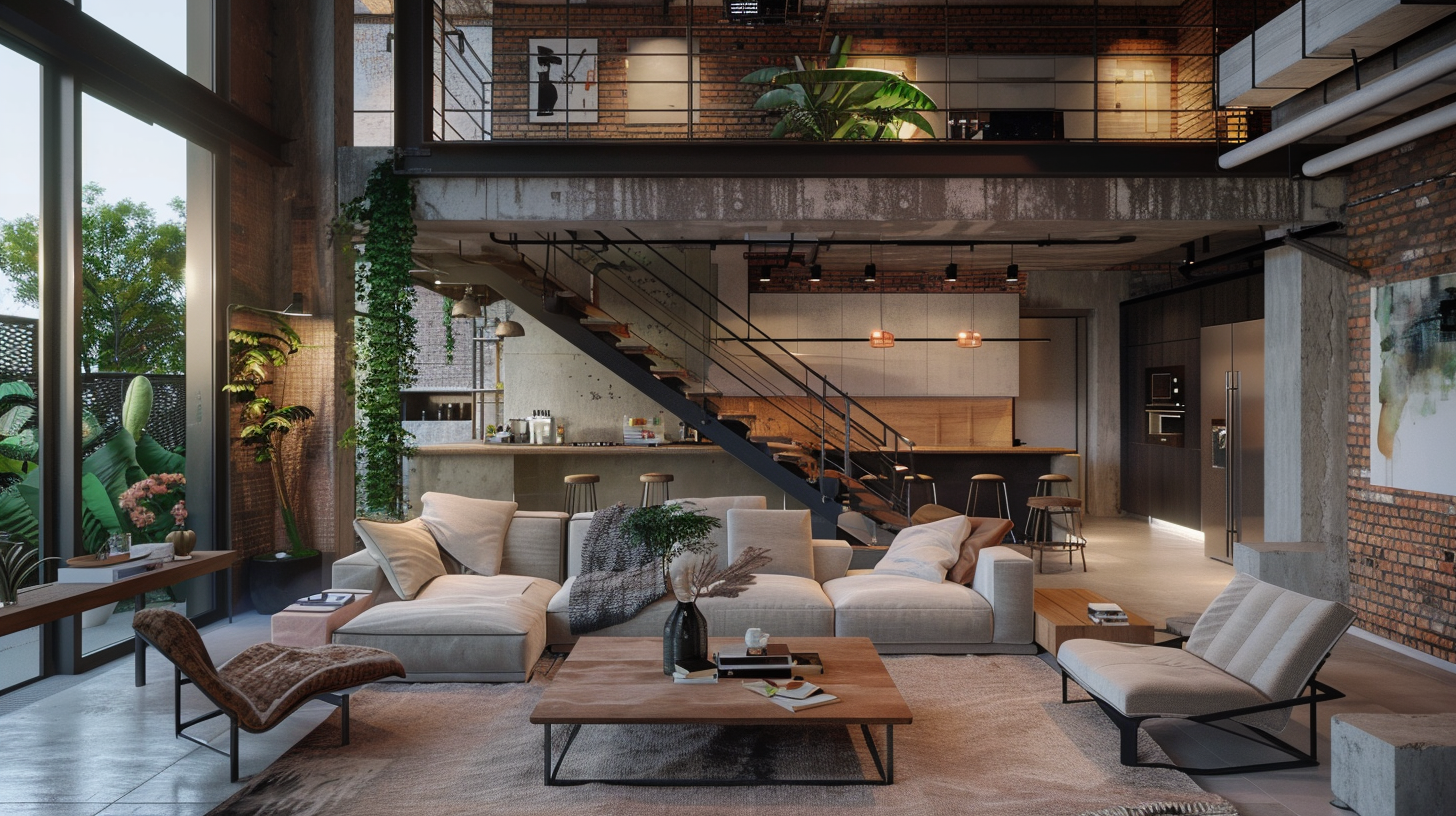
One of the most important functions of an area rug is creating boundaries.
This becomes particularly valuable in open-concept homes where walls no longer define individual rooms as clearly as they once did.
A rug can visually establish:
- A living room within a larger open space
- A dining area
- A reading corner
- A home office zone
- A bedroom seating area
Without these visual cues, spaces can feel disconnected or difficult to organize.
A rug helps create structure without requiring physical barriers.
Scale Changes Everything
One of the most common mistakes in home design is selecting a rug that is too small.
Many homeowners choose rugs based on furniture dimensions alone rather than considering the room as a whole.
The result is often a space that feels fragmented.
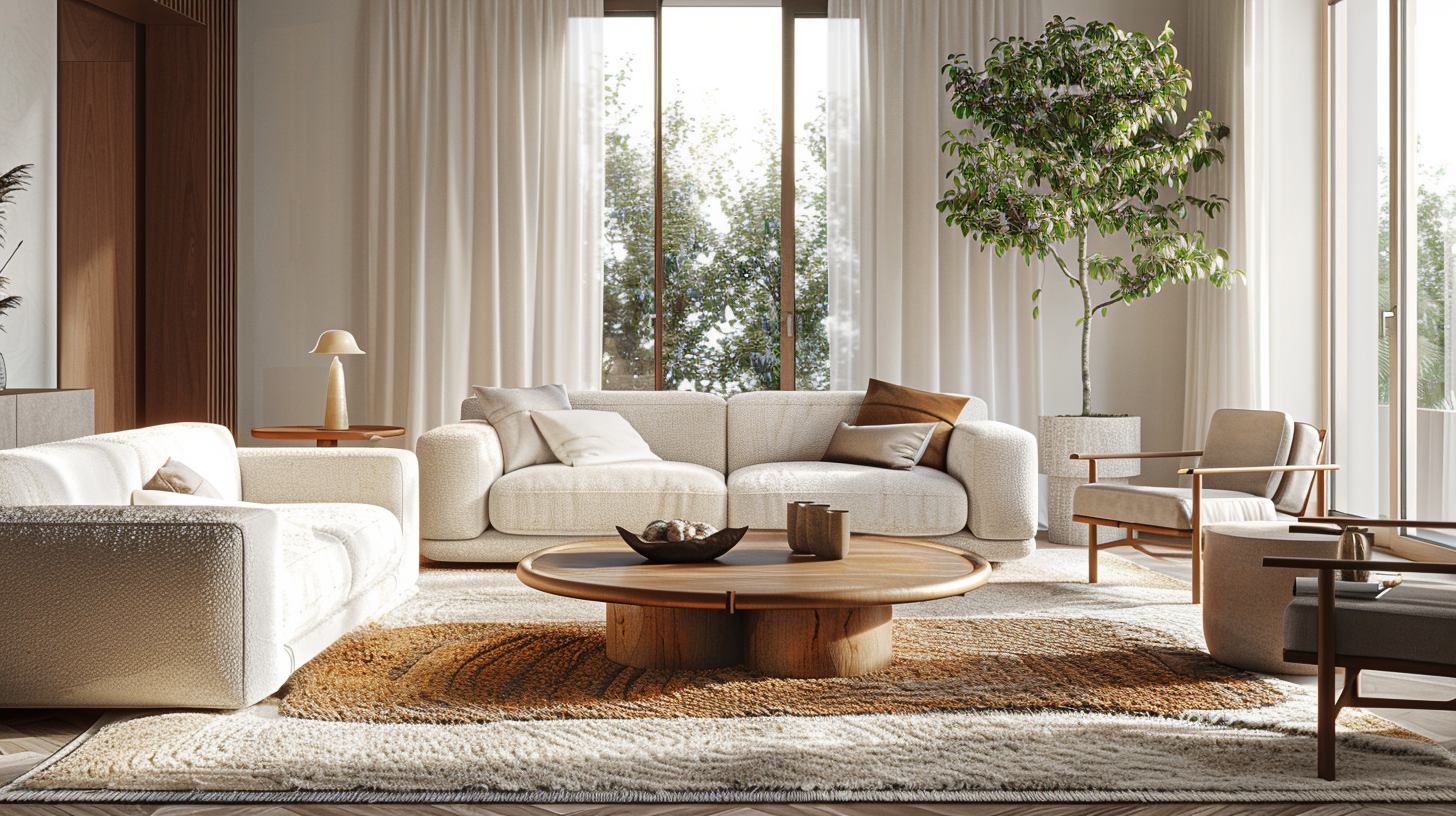
A properly sized rug anchors the furniture arrangement and helps unify the room.
In living spaces, for example, rugs should typically extend beneath at least the front legs of major seating pieces. In many cases, larger rugs create a more cohesive and sophisticated appearance than smaller alternatives.
When in doubt, going slightly larger is often the safer design decision.
Rugs Create Visual Balance
Rooms contain a variety of materials competing for attention.
Hardwood flooring, cabinetry, furniture, artwork, and lighting all contribute to the visual composition.
A rug often serves as the element that ties these components together.
Color, texture, and pattern help establish relationships between otherwise separate design features.
This is particularly important in spaces where multiple materials are present.
Without a unifying element, rooms can feel visually disconnected even when individual selections are attractive.
Texture Matters as Much as Pattern
Many people focus primarily on rug color and pattern.
Texture is equally important.
A woven wool rug creates a different experience than a flatwoven rug. A plush texture feels different than a natural fiber option.
These material choices influence both visual character and physical comfort.
Texture helps create depth within a room and contributes significantly to how the space feels overall.
Even neutral rugs can have a substantial impact when texture is thoughtfully considered.
Rugs Improve Acoustics
One of the most overlooked benefits of rugs is their ability to improve acoustic comfort.
Hard surfaces reflect sound. As homes increasingly incorporate hardwood flooring, stone, tile, and open layouts, sound reverberation becomes more noticeable.
Area rugs help absorb sound and reduce echo.
This can make spaces feel calmer and more comfortable without any visible architectural changes.
In rooms with high ceilings or large open areas, rugs often contribute more to acoustic performance than homeowners realize.
Comfort Goes Beyond Appearance
Design is not purely visual.
The way a room feels physically plays a significant role in how people experience it.
Rugs introduce softness into environments dominated by hard surfaces. They make spaces feel more comfortable, welcoming, and livable.
This is particularly valuable in bedrooms, living rooms, and family spaces where comfort is a priority.
The tactile experience of walking across a rug influences perception just as much as its appearance.
Layering Adds Character
Layering rugs has become increasingly popular in contemporary interiors.
This approach allows designers to combine materials, introduce texture, and create additional visual depth.
Common strategies include:
- Patterned rugs layered over natural fiber rugs
- Smaller accent rugs over larger neutral foundations
- Textural contrasts that create subtle visual interest
When executed thoughtfully, layering adds personality while helping rooms feel curated rather than overly staged.
The Best Rugs Support the Entire Room
Strong interior design rarely depends on a single element.
The most successful rugs do not dominate the space.
Instead, they support the overall composition by reinforcing color palettes, balancing materials, and helping organize furniture layouts.
They contribute to the room without demanding all of the attention.
This supporting role is what makes them so powerful.
More Than a Decorative Accessory
Area rugs are often underestimated because their impact is subtle.
They define spaces, improve acoustics, create visual cohesion, introduce texture, and increase comfort—all while helping rooms feel complete.
Because the best rugs do more than keep your feet warm.
They help hold the entire room together.